About the Object
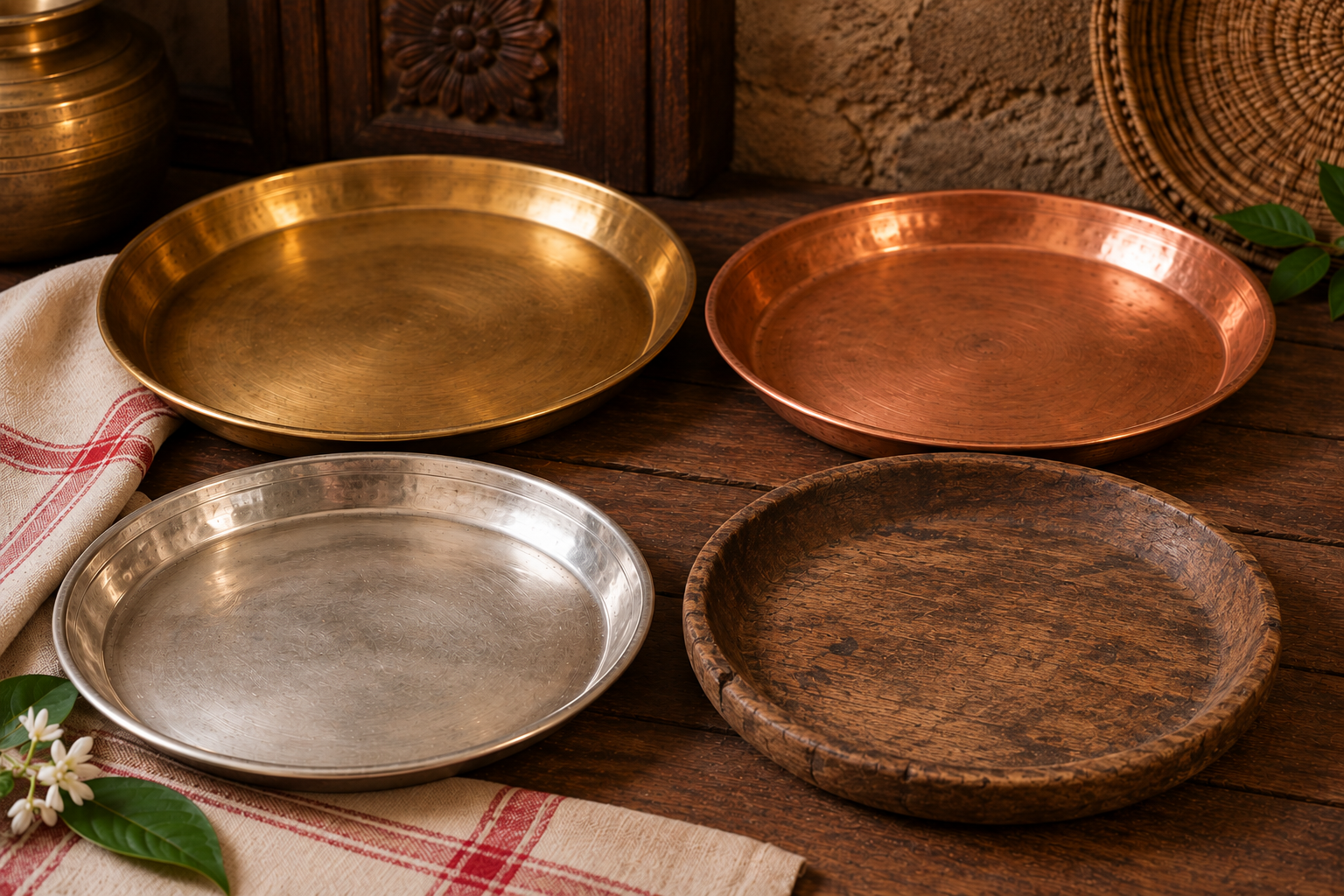
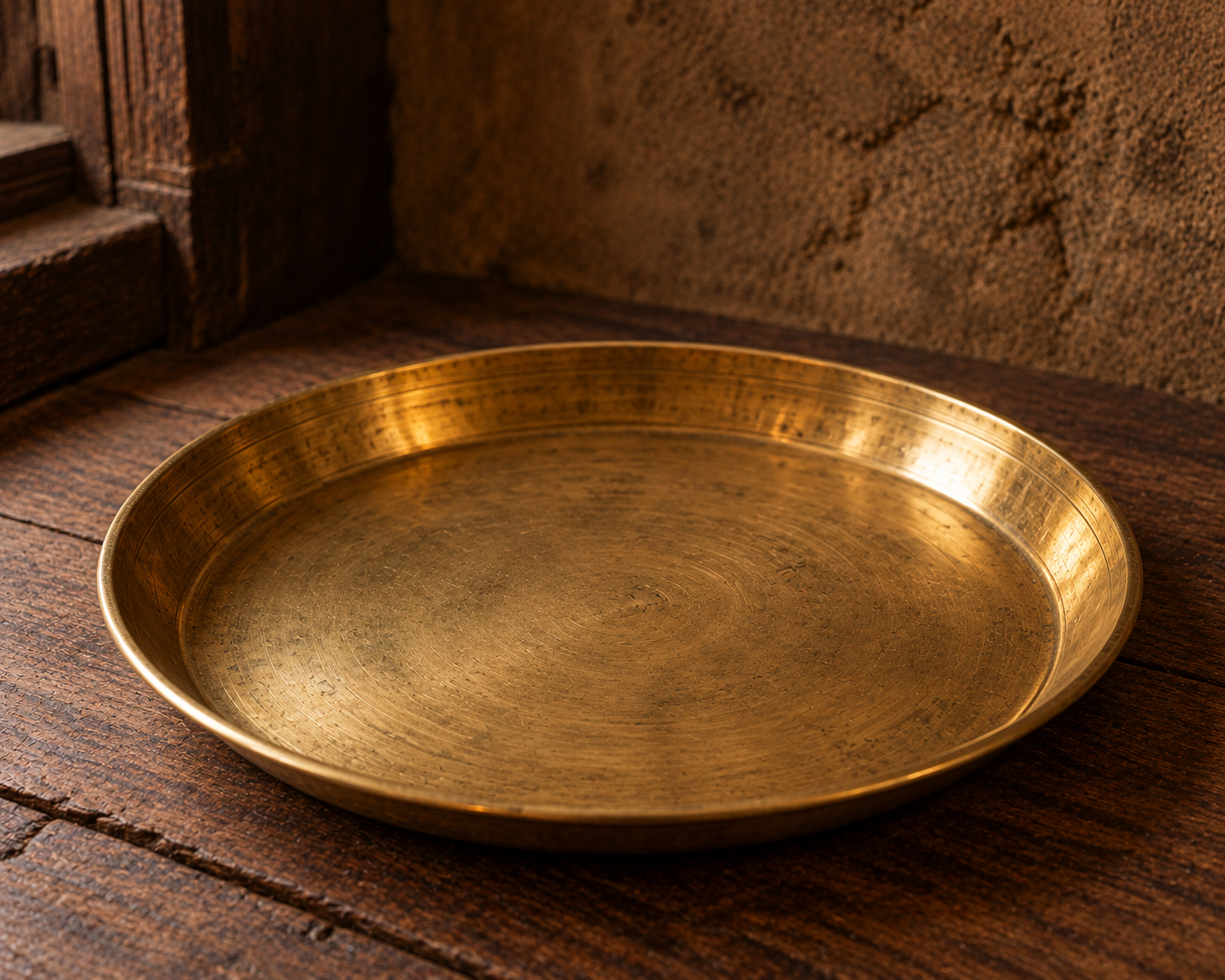
Thaliya is the Kodava Thakk term for a plate. It refers to a broad, round and generally flat vessel used for serving food and other items.
Thaliya is a simple but essential household vessel in traditional Kodava life. A plate provides a broad, flat surface for serving and eating food, as well as for holding or presenting other items.
Traditionally, plates could vary considerably in their size, shape and material, depending on their purpose and availability. The basic circular form remains one of the most common designs because it provides a practical surface for serving food.
The KodavaClan record describes the wider category of plates as being made from materials including porcelain, steel, glass, wood, plastics and bronze, showing how the basic household object has evolved with changing materials and manufacturing methods
How It Was Used
Traditional use: Thaliya has two important contexts:
Everyday use as a plate for serving and eating food.
Ceremonial use as the plate forming the base of the Thaliyathakki Bolcha.
During Puthari and certain village rituals, the Thaliyathakki Bolcha is carried at the head of the procession. It is also placed beside the bride and groom during traditional wedding ceremonies.
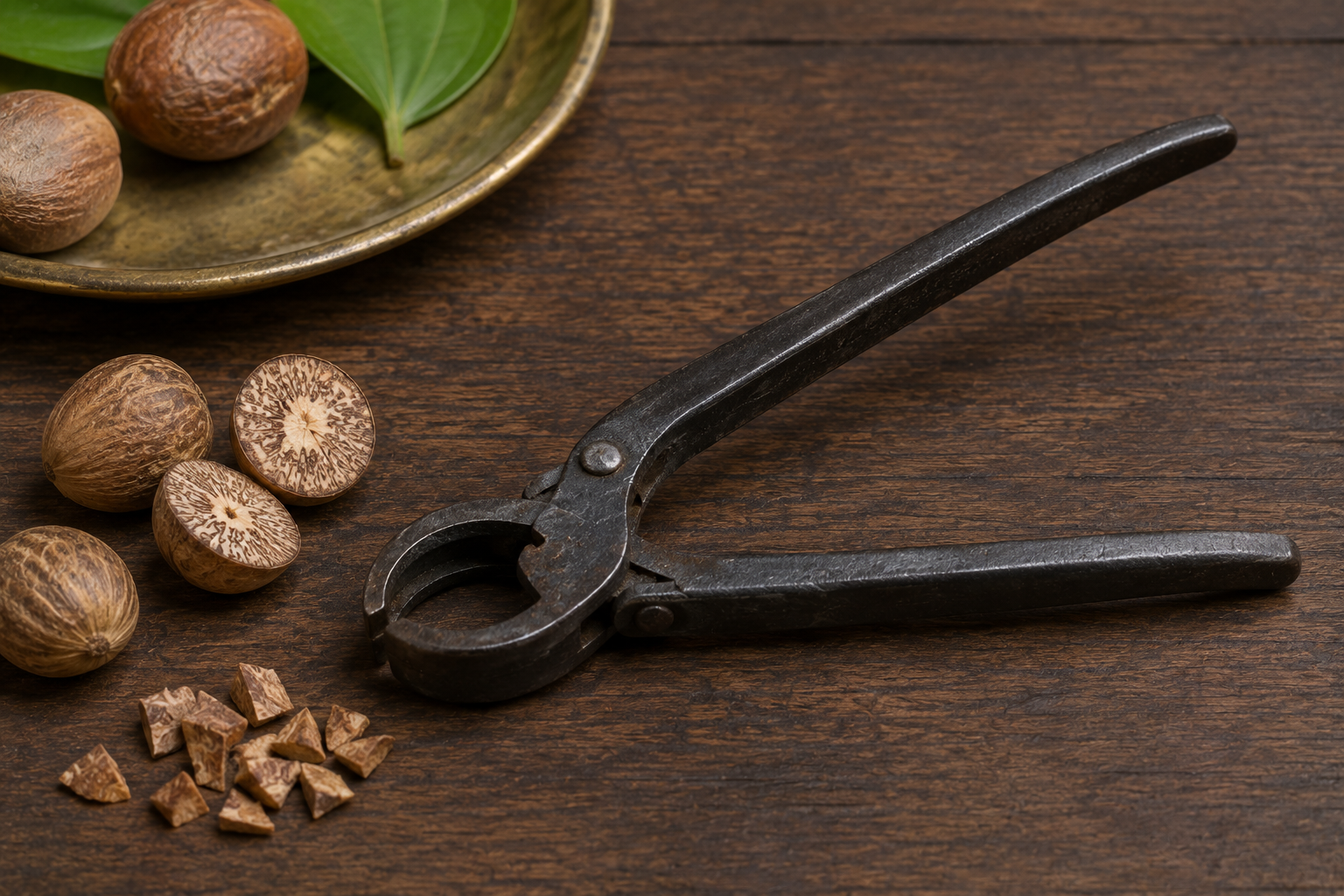
Cultural significance: The significance of Thaliya extends beyond its function as a plate. In Thaliyathakki Bolcha, it becomes part of a sacred ceremonial arrangement, with rice, lamp, betel leaves and betel nut placed upon it. The plate therefore becomes a vessel for presenting elements associated with ritual, abundance and hospitality.
Historical context: Thaliya is a good example of how an ordinary household object can acquire ceremonial significance in Kodava culture. The plate itself is called Thaliya, while the complete ritual arrangement is known as Thaliyathakki Bolcha. Its use in Puthari, weddings and village rituals connects everyday material culture with the ceremonial traditions of the Kodavas.
Material & Making
WoodBrassSilverCotton
The method of manufacture depends on the material. Wooden plates can be shaped and carved from a solid piece of wood and then smoothed. Bronze and metal plates are traditionally produced through metalworking processes in which the material is shaped into a broad, shallow form and finished along the rim and surface.
Modern plates may instead be manufactured through industrial processes such as pressing, moulding or machining. The KodavaClan page does not specify one particular traditional manufacturing technique for Thaliya.
The KodavaClan page identifies several common categories of plates:
Lunch plates
Dinner plates
Saucer plates
Bread and butter plates
Decorative plates
Plates may also differ in size, shape and material
Who Used It? / Where? / When?
OwnershipNot yet recorded
Period
Pre-colonial
Status of traditionCommonly used
The Tradition Today
Reason for decline: The traditional forms of Thaliya have changed with the introduction of mass-produced stainless-steel, glass, porcelain and plastic plates. Disposable plastic and paper plates have also become common at some functions because they can be used once and discarded.
Revival efforts: Unlike many heritage objects, Thaliya remains very much a living household object. Its continued use can be encouraged by retaining traditional wooden and bronze forms in heritage homes and cultural settings.
Traditional serving practices at Kodava functions and heritage events can also help preserve older forms and their associated terminology.