A living archive of Kodagu — objects, memories, skills and the voices of the people who kept them. See what's on display →
Explore / Food & Kitchen / Paliya
Paliya
Food & Kitchen · Everyday Life & Household Objects

Paliya

Low-level traditional stool,
Also written: Paliya - ಪಲಿಯ

Virtual Museum of
Kodava Heritage

Help Preserve

This Piece of Kodava Heritage

Your support helps us preserve our heritage
for today and future generations.

Support as
a Custodian
₹1,500
per artifact
About the Object

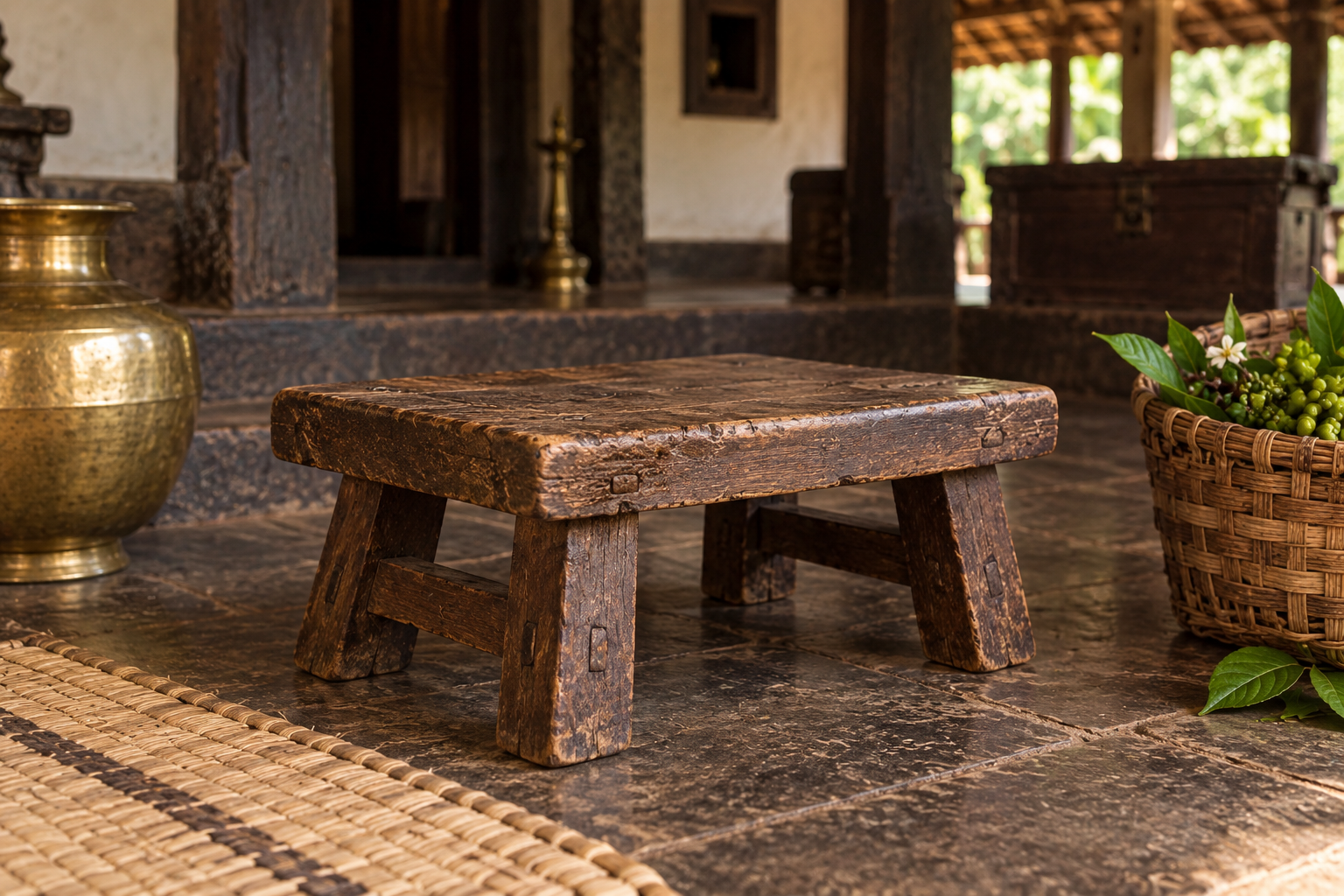
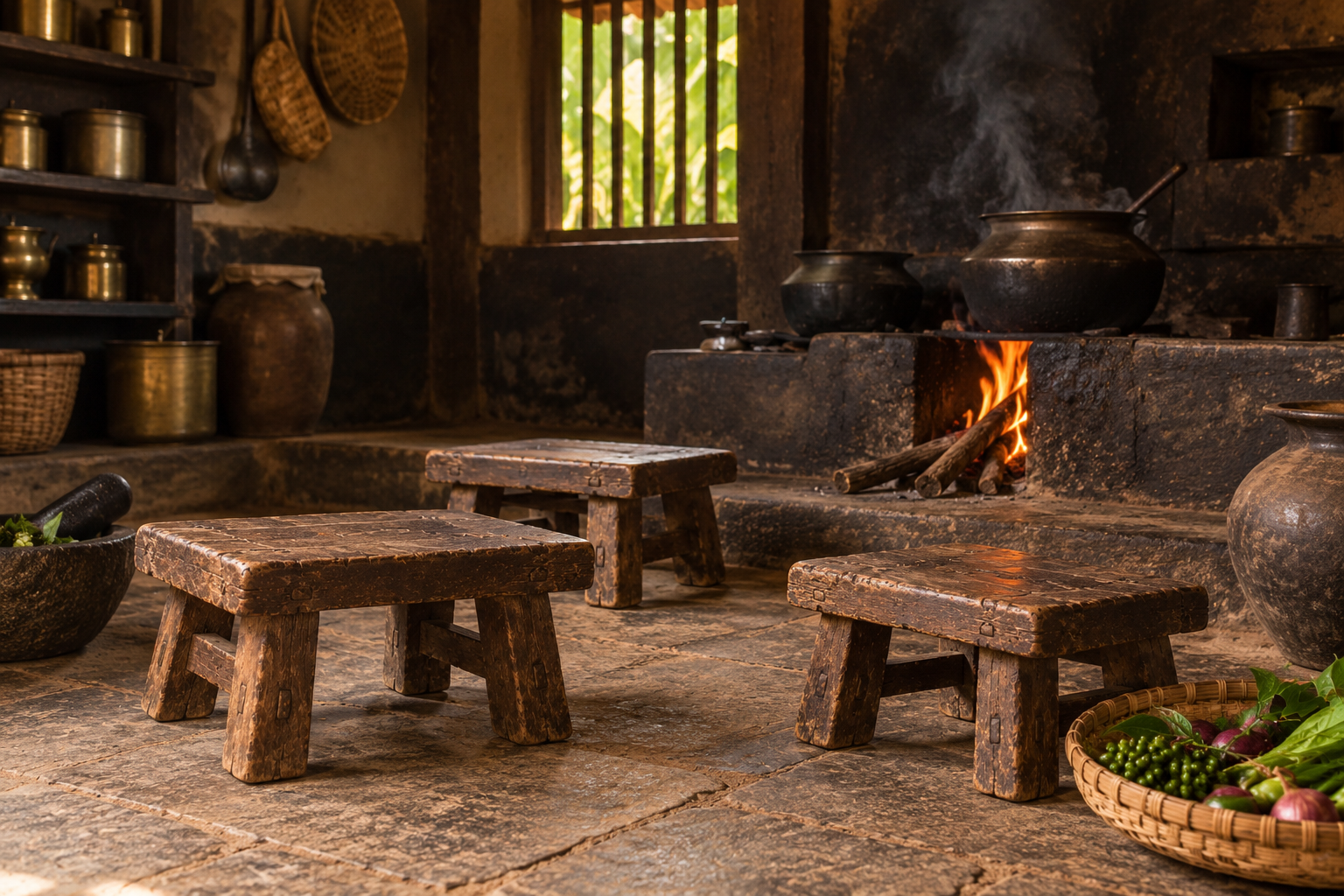
Paliya is a low-level traditional stool.

Paliya is a compact, low-level stool traditionally made from wood. It has a broad, sturdy seating surface supported by short legs and is designed for stability and everyday use. Its low height made it particularly convenient for sitting while performing household work, preparing food and participating in activities conducted close to the floor. More than simply a piece of furniture, the Paliya represents the practical and functional character of traditional Kodava domestic life.

How It Was Used

Traditional use: The making and use of Paliya reflects traditional knowledge of wood selection, carpentry, proportions and structural stability. Craftsmen had to understand how to construct a low stool that could withstand repeated use while remaining stable on uneven traditional floors.

Cultural significance: Paliya was part of the everyday material culture of the traditional Kodava household. Low-level seating was closely connected with the way domestic life was organized, particularly in traditional kitchens and other working spaces. It was a practical object that supported activities carried out close to the ground and formed part of the familiar furniture of an older Kodava home.

Historical context: Paliya belongs to the older tradition of simple, locally made furniture used in Kodava homes. Before modern furniture became widespread, household objects were generally designed around practical requirements and made from materials available within the local environment. The low stool reflects a period when domestic life was closely connected to the architecture of the traditional home, its kitchen, floor-level working spaces and customary ways of sitting.

Material & Making
Wood

The stool was made by cutting and shaping timber into a broad seating surface and short supporting legs. The wooden components were joined securely, with the surfaces smoothed sufficiently for comfortable use. Traditional examples reflect practical carpentry rather than ornamental furniture-making

Who Used It? / Where? / When?
OwnershipNot yet recorded
Period Ancient
Status of traditionDeclining
The Tradition Today

Reason for decline: The traditional use of Paliya declined mainly because of changes in domestic lifestyles, kitchen design and seating habits. Modern furniture provides higher seating and greater convenience for contemporary homes, reducing the need for traditional low stools.

Revival efforts: The Paliya can be retained as part of living heritage through continued use in traditional homes, cultural events, demonstrations and heritage spaces. Reproducing the stool using traditional woodworking methods can also help younger generations understand its practical role in earlier Kodava life.

Sources
KodavaClan archive
Reference link