A living archive of Kodagu — objects, memories, skills and the voices of the people who kept them. See what's on display →
Explore / Food & Kitchen / Koo Chebbhi / Kool Chebbi
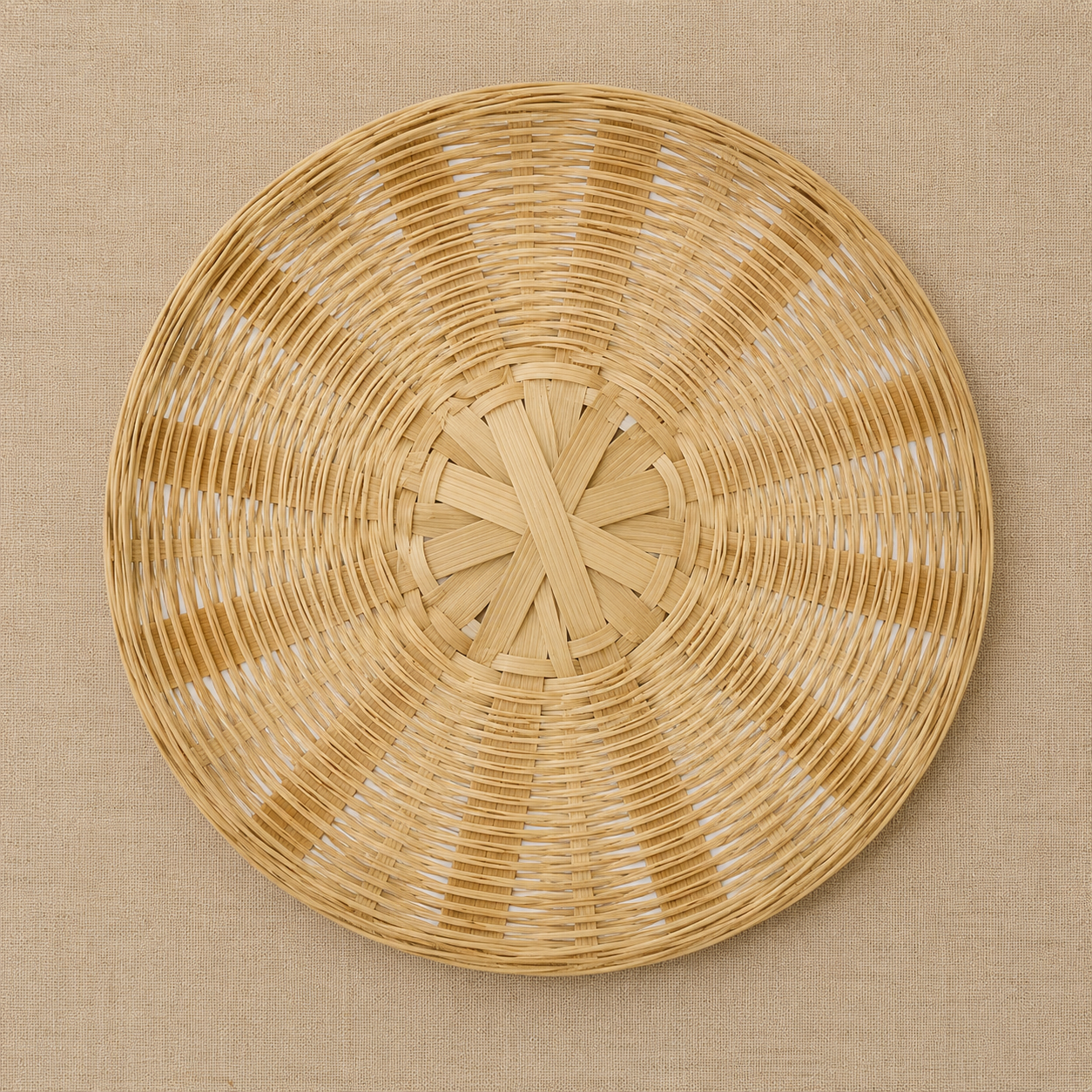
Koo Chebbhi / Kool Chebbi
Food & Kitchen · Everyday Life & Household Objects → Traditional Kitchenware

Koo Chebbhi -ಕೊ ಛೆಬ್ಬಿ

Traditional Rice Strainer
Also written: ಕೊ ಛೆಬ್ಬಿ / ಕೊಲ್ ಛೆಬ್ಬಿ - Kool Chebbi

Virtual Museum of
Kodava Heritage

Help Preserve

This Piece of Kodava Heritage

Your support helps us preserve our heritage
for today and future generations.

Support as
a Custodian
₹1,500
per artifact
About the Object

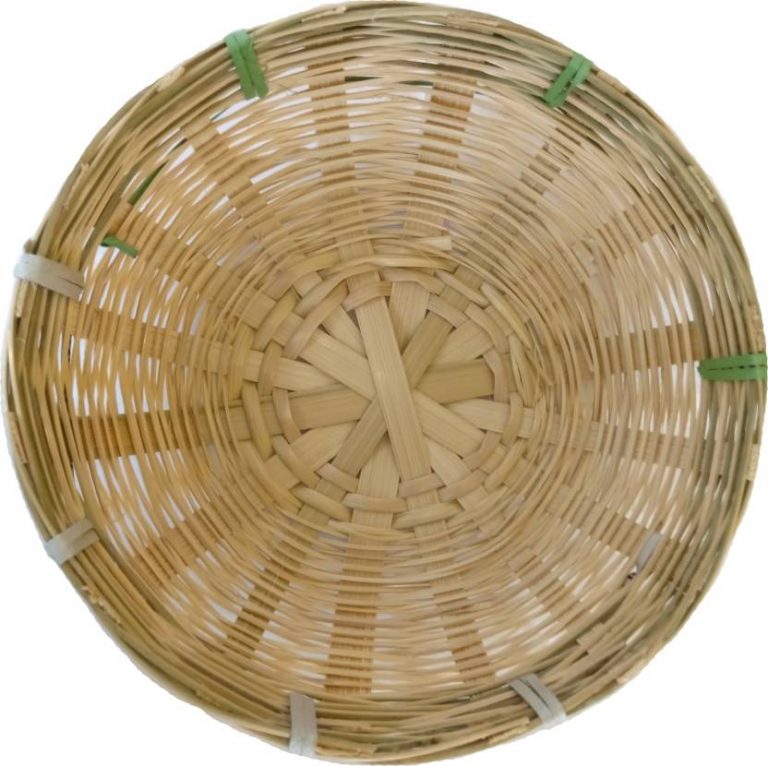
Koo Chebbhi is a traditional, round-shaped rice strainer, made in different sizes. It was used as part of the traditional process of separating cooked rice from the water in which it was cooked.

Koo Chebbhi is a traditional household utensil used to strain cooked rice from a Kool Kudke. It is round in shape and was traditionally made in small, medium and large sizes. It was used together with the Koo Paar as part of the traditional rice-preparation process

How It Was Used

Traditional use: The Koo Chebbhi was placed or used with the Kool Kudke to strain the cooked rice, allowing the excess cooking water to drain away. It was used along with the Koo Paar.

Cultural significance: Koo Chebbhi represents an important part of traditional Kodava kitchen culture, particularly the preparation of rice, which was central to everyday household food practices.
Historical

Historical context: According to the Kodagu Heritage source, the Koo Chebbhi was used before and during the reign of the Kodagu Rajas and the British rulers, continuing until relatively recent times.

Material & Making
BambooCane

Making a Koo Chebbhi required traditional bamboo, cane or reed weaving skills. The material had to be prepared and woven carefully to create a strong, functional and appropriately sized strainer

Who Used It? / Where? / When?
OwnershipNot yet recorded
Period Ancient
Status of traditionRare
The Tradition Today

Reason for decline: Some variants of the Koo Chebbhi have become extinct and have been replaced by plastic, cloth and other modern equivalents.

Revival efforts: The Koo Chebbhi can be preserved by documenting surviving examples, recording traditional weaving techniques and encouraging artisans to continue making them. The existing making process documented by Sri Udiyanda Subbaiah is particularly valuable for preserving the traditional knowledge of how a Chebbhi was made

Watch

Making of the koo chebbi

Sources
KodavaClan archive
Source: Koo Chebbhi — Kodagu Heritage
Reference link