A living archive of Kodagu — objects, memories, skills and the voices of the people who kept them. See what's on display →
Explore / Food & Kitchen / Kodiyal Kutte
Kodiyal Kutte
Food & Kitchen · Everyday Life & Household Objects

Kodiyal Kutte

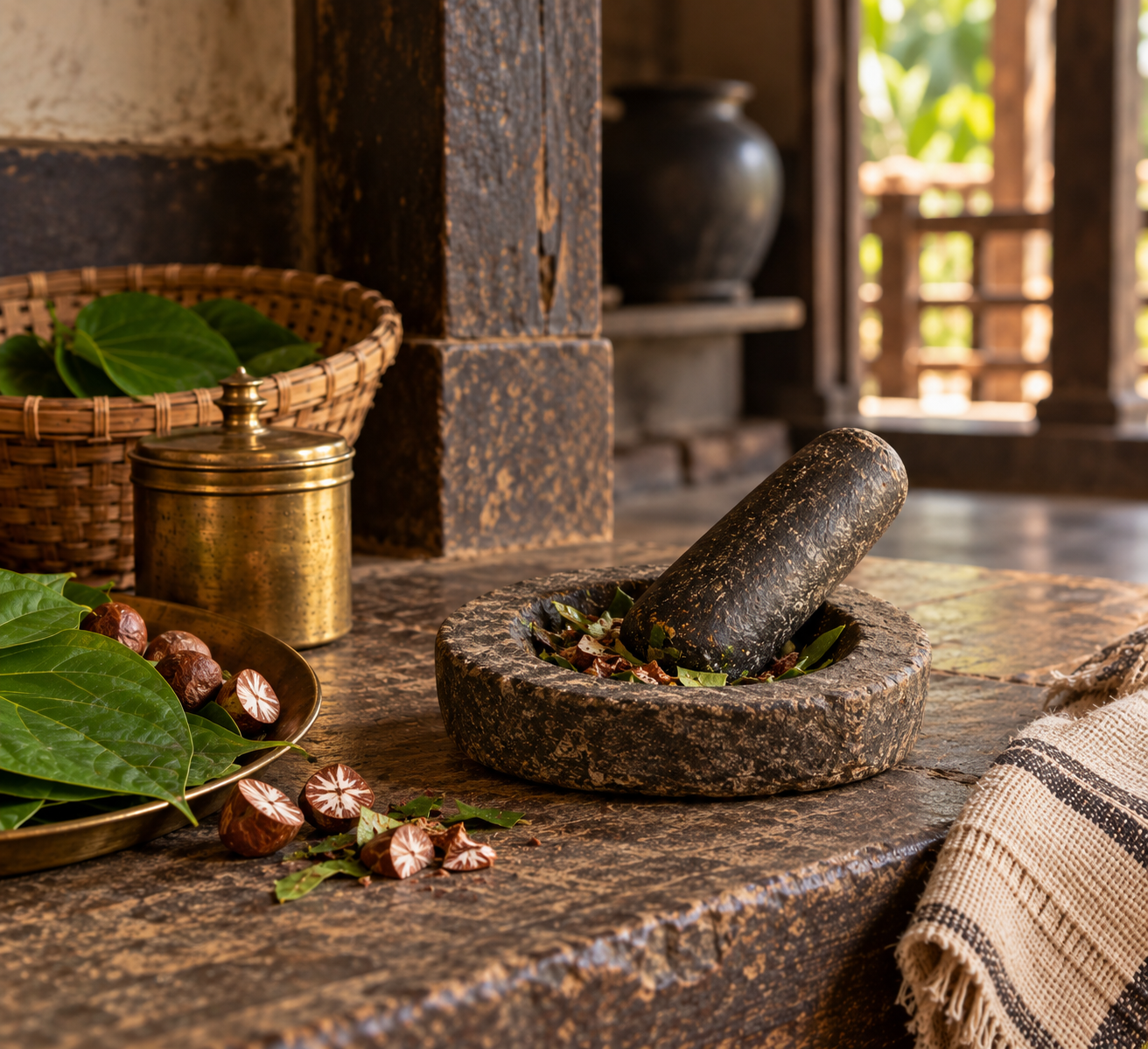
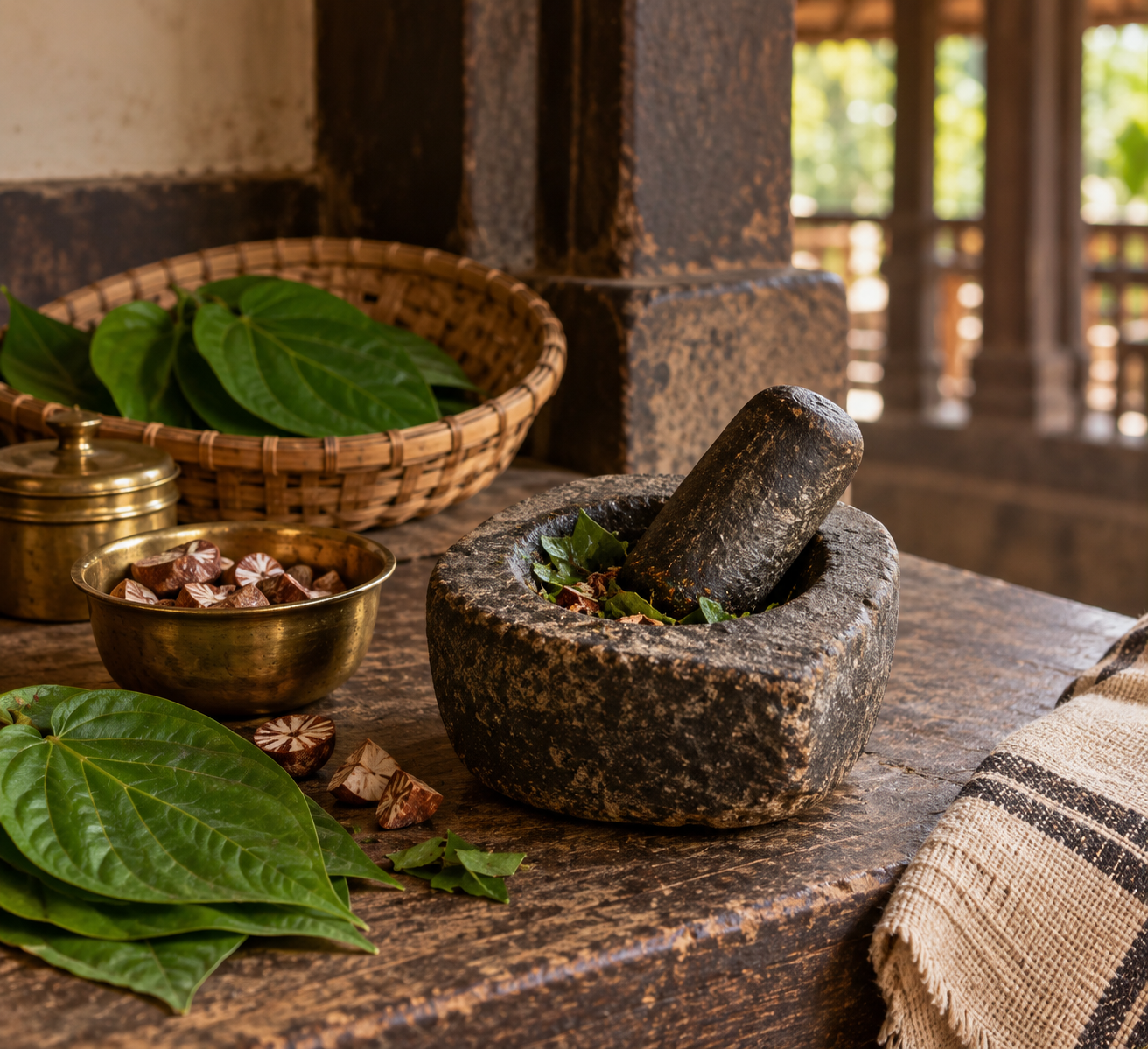
Stone Mortar for Betel and Arecanut
Also written: Kodiyal Kutte ಕೋಡಿಯಲೆ ಕುಟ್ಟ್

Virtual Museum of
Kodava Heritage

Help Preserve

This Piece of Kodava Heritage

Your support helps us preserve our heritage
for today and future generations.

Support as
a Custodian
₹1,500
per artifact
About the Object

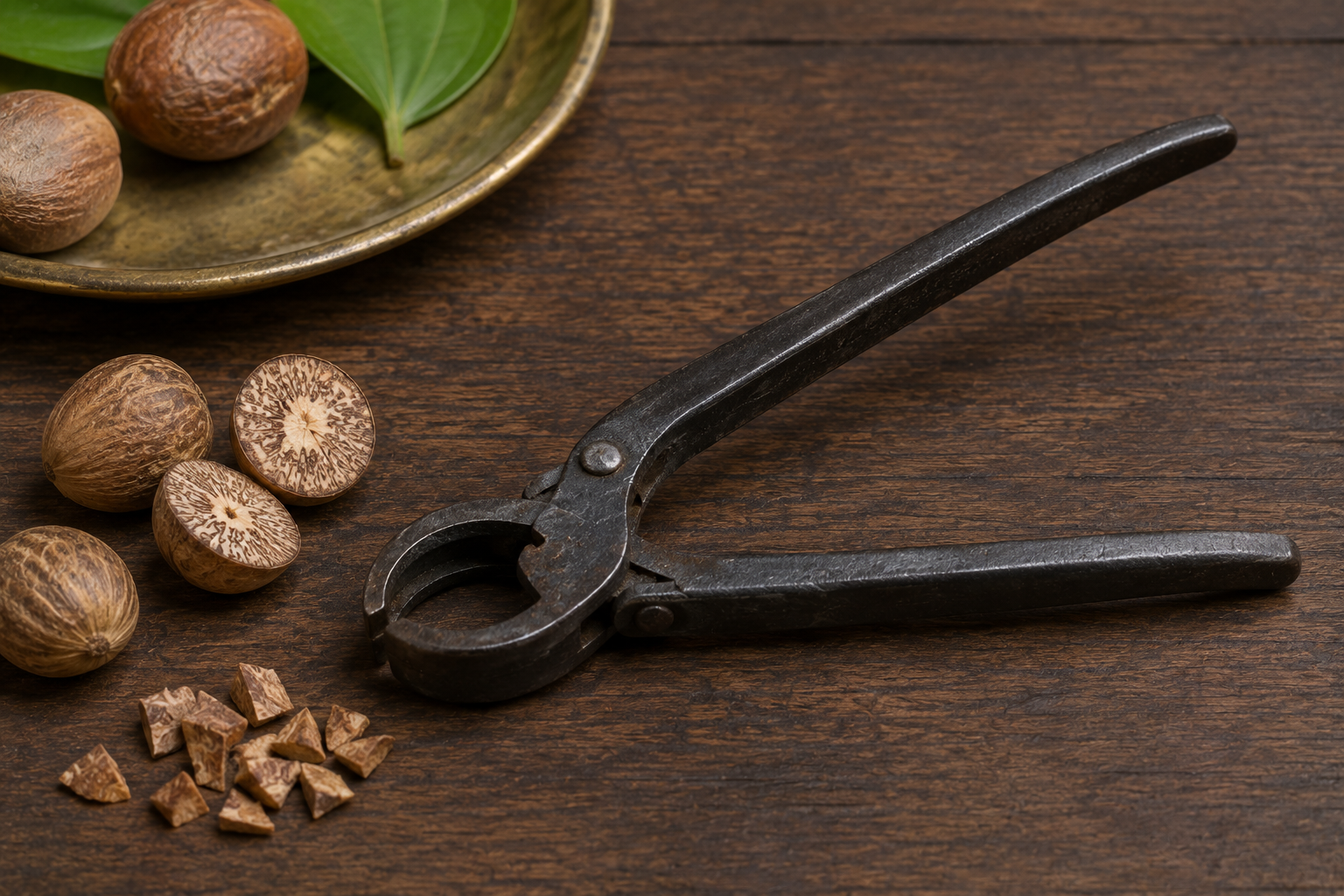
Kodiyal Kutte is a small mortar-like stone traditionally used for pounding betel leaves and arecanuts

Kodiyal Kutte is a compact stone implement designed for preparing betel leaves and arecanuts into a softer, more manageable form. The stone has a hollowed or recessed surface into which the ingredients could be placed and pounded. Its small size made it convenient for household use, particularly when preparing betel for elderly members of the family who could no longer chew the ingredients comfortably.

How It Was Used

Traditional use: It was used to pound and soften betel leaves and arecanuts, making them easier to consume. It was particularly associated with preparing betel for elderly people and those without teeth.

Cultural significance: It was primarily used in the traditional household, where betel leaves and arecanuts were prepared and offered or consumed.
Betel and arecanut have traditionally been associated with social customs, hospitality and ceremonial practices. Kodiyal Kutte therefore represents one of the household implements connected with the preparation of these culturally significant items.

Historical context: Kodiyal Kutte is a small but revealing example of traditional Kodava domestic material culture. It illustrates not only the practical use of stone implements but also the importance of betel and arecanut in social and household life. Its specific use for preparing betel for elderly and toothless members reflects the traditional values of care, hospitality and respect for elders. As such, the object provides an insight into both everyday domestic practices and the social customs of earlier Kodava generations.

Material & Making
Stone

A suitable stone was selected and shaped by hand. A small depression was carved or ground into its surface to create the pounding cavity. The interior was smoothed through repeated use

Who Used It? / Where? / When?
OwnershipNot yet recorded
Period Ancient
Status of traditionDeclining
The Tradition Today

Reason for decline: The traditional use declined with changing lifestyles, modern kitchen equipment and changing methods of preparing and consuming betel.

Revival efforts: The object can be preserved through heritage collections, museum displays and cultural documentation. Demonstrating its traditional use can also help younger generations understand how betel was prepared for elderly family members.

Sources
KodavaClan archive
Reference link