About the Object
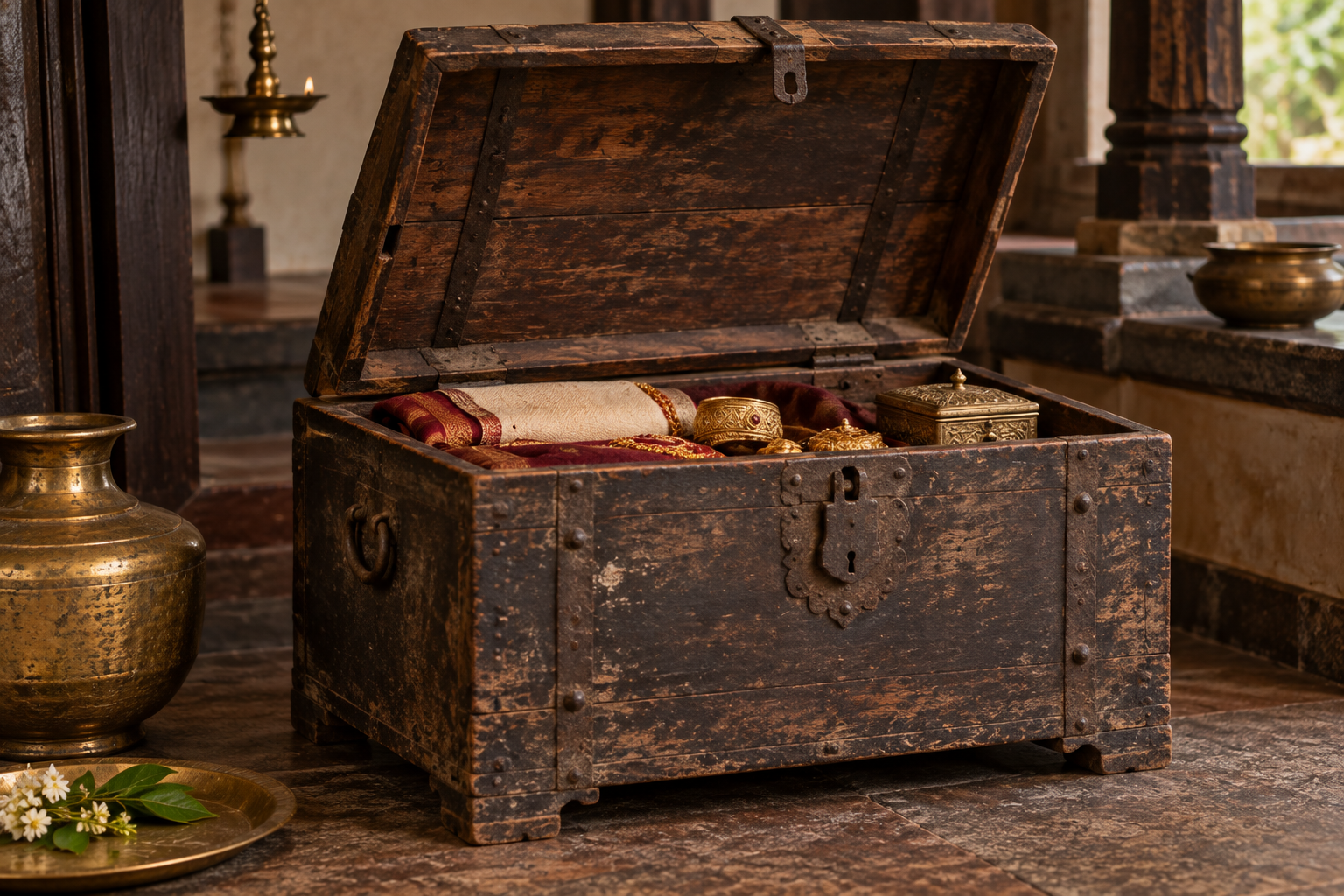
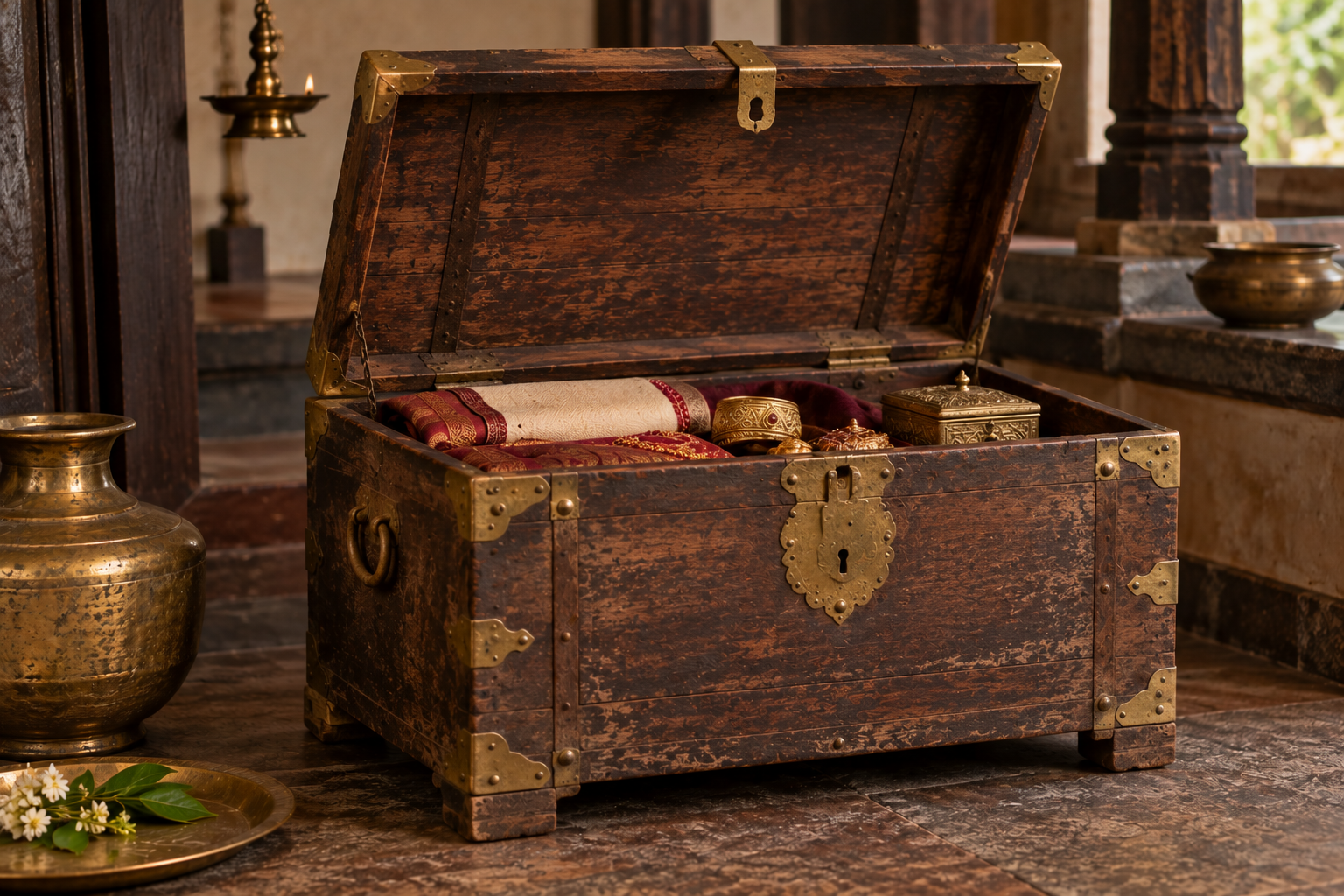
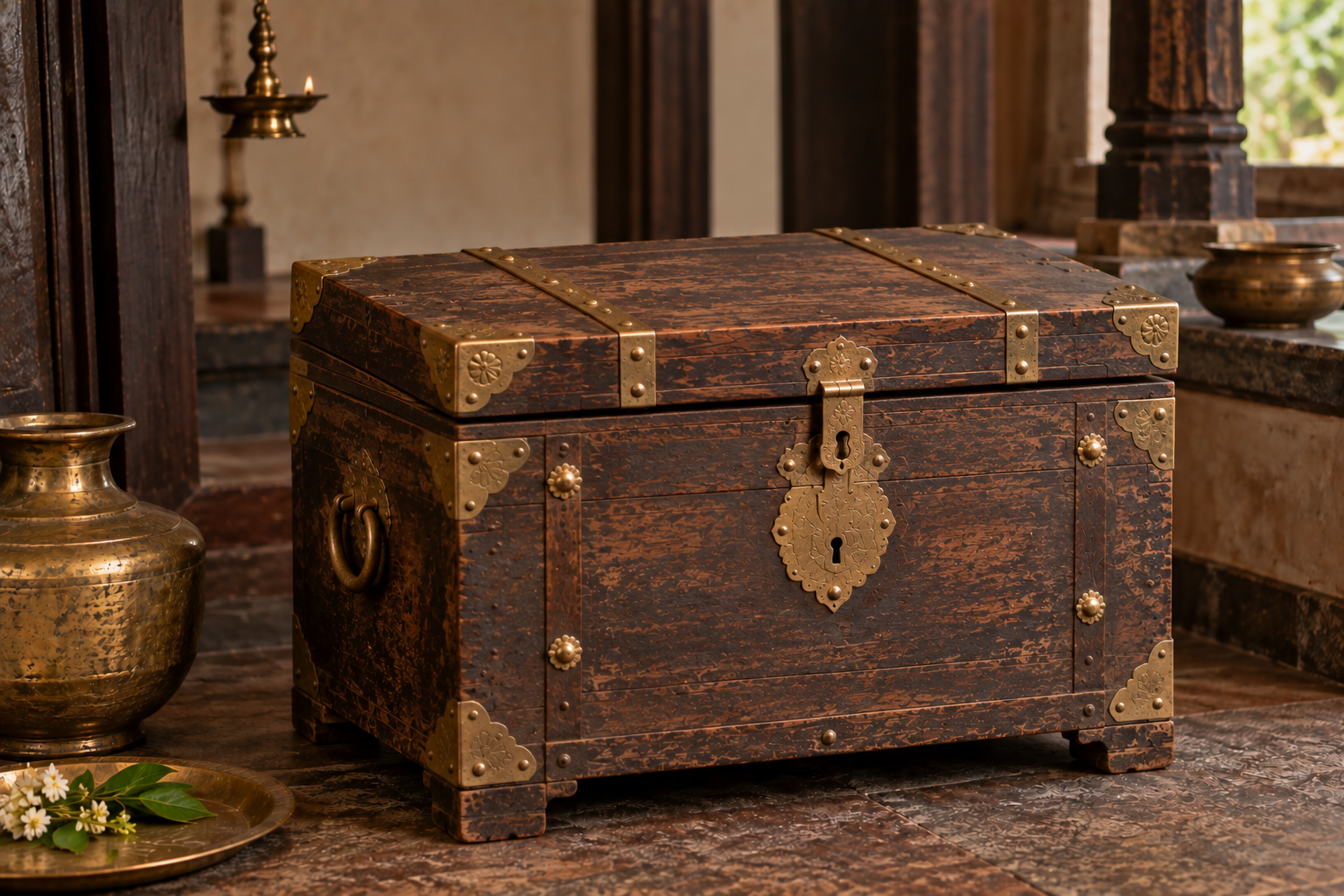
Chandukha is a traditional storage container used in Kodava households for keeping valuable, important and personal belongings.
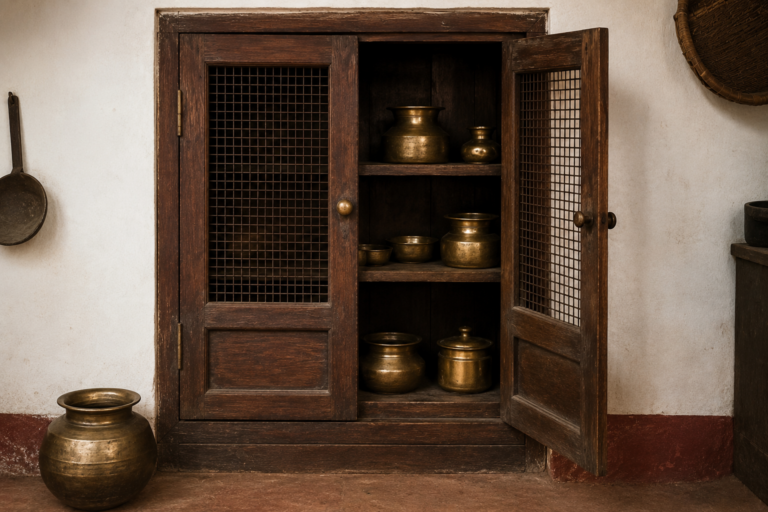
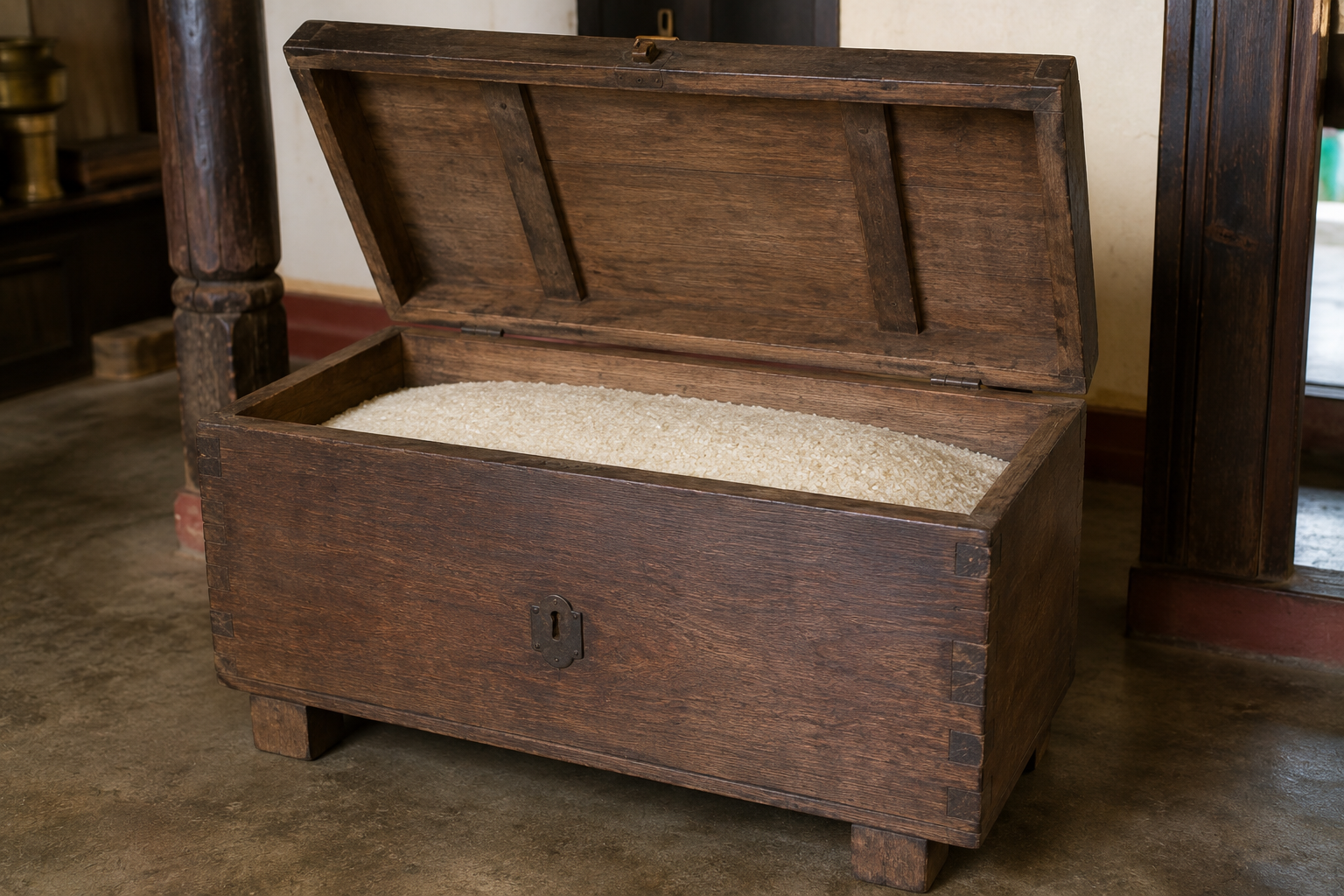
Chandukha was an important household storage object in traditional Kodava homes. It provided a designated and secure place for belongings that needed to be protected and kept together. Larger or sturdier examples could be used for general household storage, while particular forms were used for jewellery and other personal valuables. Before modern cupboards, lockers and storage systems became common, such containers played an important practical role in organizing and safeguarding possessions
How It Was Used
Traditional use: Used for storing jewellery, valuables, personal belongings and other important household possessions.
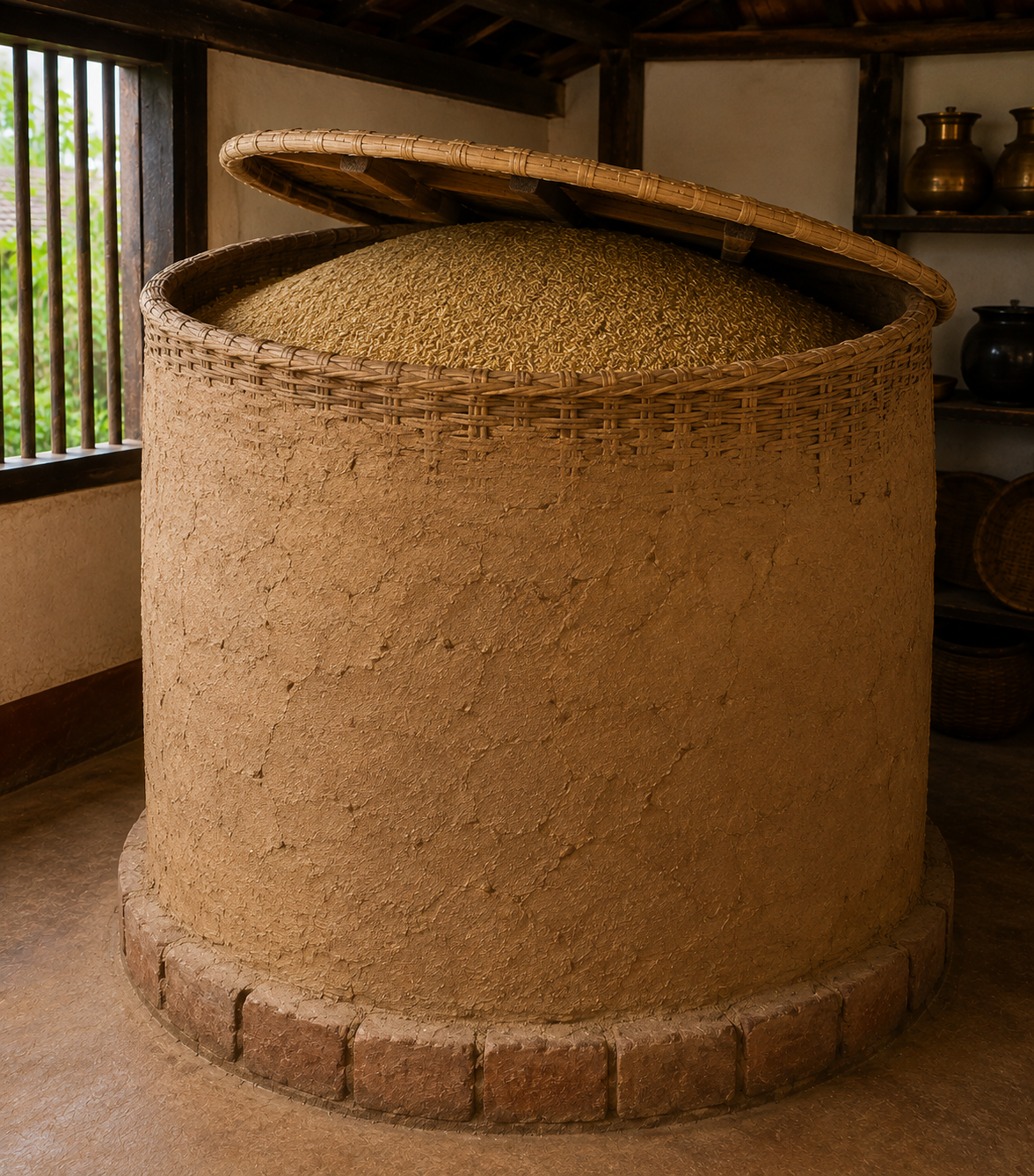
Chandukha existed in different forms depending on its material and purpose. Wooden examples could be substantial and durable, while smaller containers were suited to personal valuables and jewellery.Traditionally made from wood, mud or iron, with the material varying according to the type and intended use
Cultural significance: Chandukha represents an important part of traditional Kodava domestic life. Possessions of a household, particularly jewellery and personal valuables, needed to be carefully stored and protected. The Chandukha provided a designated place for these belongings and formed part of the material culture of the traditional home.
It was kept within the traditional household, where important possessions could be stored safely and accessed when required.
Although primarily a storage object, Chandukhas used for jewellery and other important possessions would naturally have been associated with marriage jewellery, personal adornments and other culturally significant belongings kept within the household
Historical context: Chandukha belongs to a period when traditional households depended on purpose-built storage objects rather than modern cupboards and lockers. Its existence illustrates how traditional Kodava homes organized and protected possessions using locally available materials
Material & Making
WoodBambooBrassClay
Traditionally made from wood, mud or iron, with the material varying according to the type and intended use. The construction method depended on the material. Wooden Chandukhas involved traditional woodworking and joinery, while mud and iron versions required their respective traditional techniques.
Who Used It? / Where? / When?
OwnershipNot yet recorded
Period
Ancient
Status of traditionDeclining
The Tradition Today
Reason for decline: The traditional form became less common because modern furniture and storage systems provide greater convenience, security and capacity.
Revival efforts: Traditional Chandukhas are now less commonly used as everyday storage objects, although older examples may survive in ancestral homes, private collections and heritage settings.
Each surviving Chandukha should ideally be documented for its material, construction, dimensions, storage capacity, locking or closing mechanism, decorative details and traditional use. Oral histories can help establish what types of belongings were traditionally kept inside.