About the Object
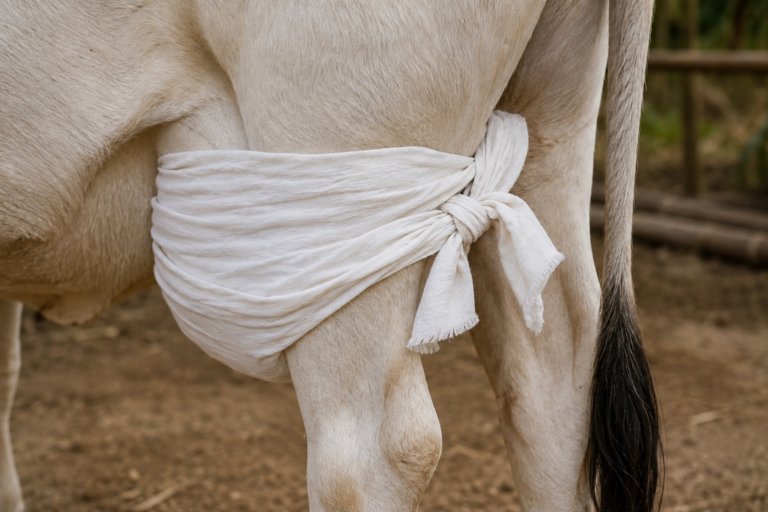
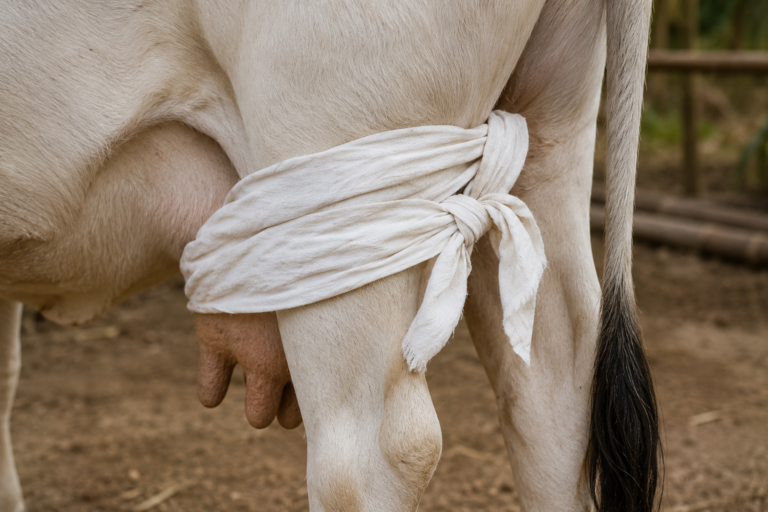
Adoori is a traditional piece of cloth used in Kodava households during the milking of cows. It was tied around the cow's udder to temporarily prevent the calf from suckling before the household collected the required milk.
The Adoori was a simple but practical part of traditional cattle-management practices in Kodagu. During milking, the cloth was tied around the cow's udder to temporarily prevent the calf from feeding.
This allowed the household to collect the required quantity of milk before the calf was permitted to suckle. The practice demonstrates the practical livestock-management knowledge used by earlier generations, when cattle were an important part of rural household life.
Unlike a specialised manufactured implement, the Adoori could simply be made from an available piece of cloth, demonstrating how traditional households adapted ordinary materials to meet everyday agricultural needs.
How It Was Used
Traditional use: Tied around the cow's udder during milking
Temporarily prevented the calf from suckling
Allowed the household to collect the required milk
Removed or released before the calf was allowed to feed
Cultural significance: The Adoori represents the close relationship between the traditional Kodava household, cattle and agriculture. Cattle were an important part of rural life, providing milk and other resources while also being connected to the wider agricultural economy.
Although the object itself is simple, it preserves knowledge of the everyday practices used by earlier generations to manage livestock without modern equipment.
Historical context: The Adoori belongs to the traditional livestock-management practices of Kodagu, particularly the period when cattle rearing was closely integrated with household agriculture and a largely self-sufficient rural lifestyle.
Milk obtained from cows formed part of everyday household food practices, making the management of the cow and its calf an important part of daily domestic life
Material & Making
Cotton
he Adoori was made by adapting a piece of cloth for use around the cow's udder. It did not require a complicated manufacturing process or specialised construction.
Who Used It? / Where? / When?
OwnershipNot yet recorded
Period
Ancient
Status of traditionCommonly used
The Tradition Today
Reason for decline: The traditional practice has declined with changes in livestock management, household agriculture and rural lifestyles, as well as the reduced dependence of households on traditional methods of managing cattle.
Revival efforts: The Adoori can be preserved by documenting the traditional milking practice and cattle-management knowledge associated with it.
Sources
KodavaClan archive
Entered from the KodavaClan Modha Goodē reference glossary, as supplied by the curator.
Reference link