About the Object
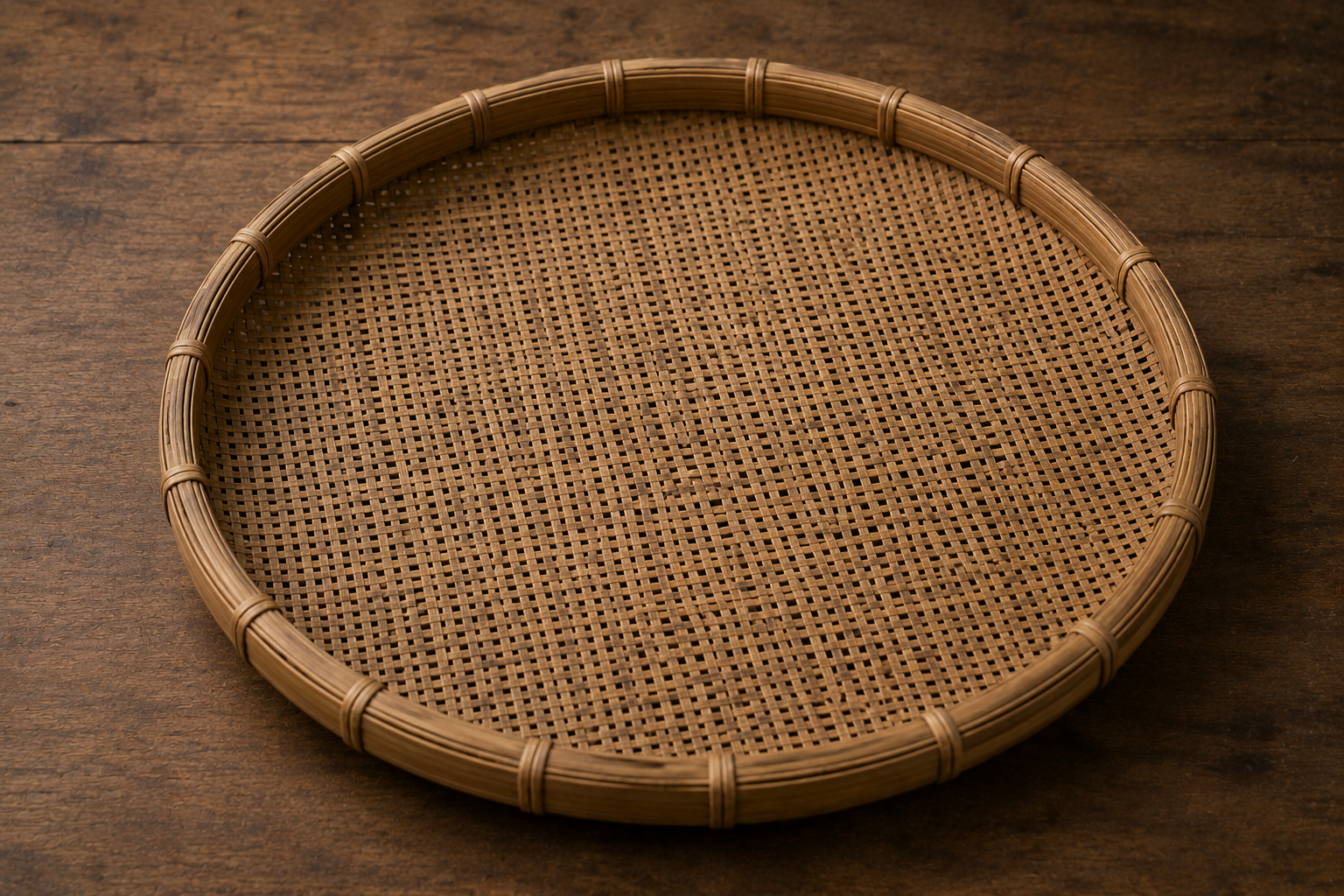
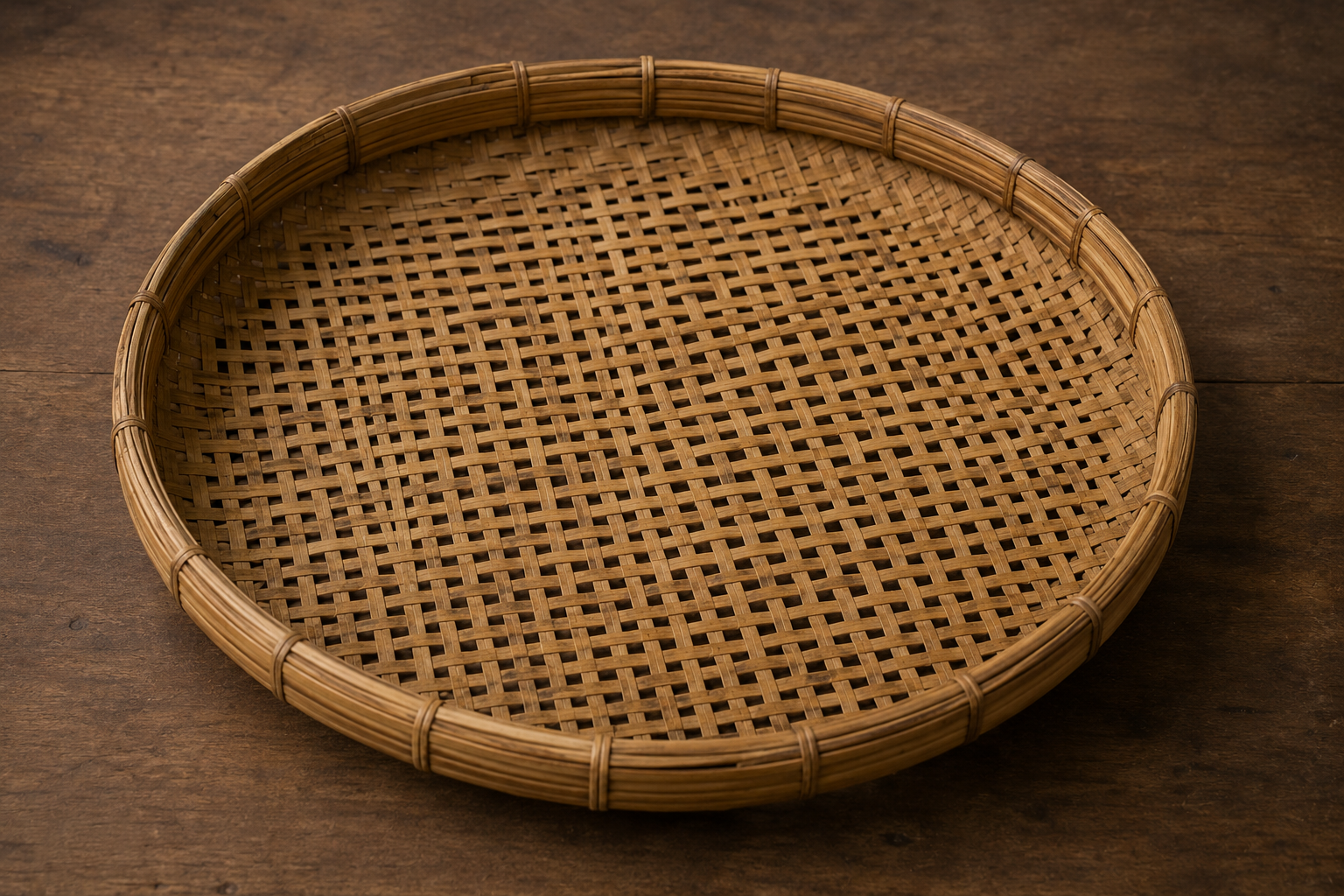
Vanali is a traditional sieve made by weaving thin strips of cane or bamboo. It was used in the processing of rice to separate unwanted particles from the grain.
Vanali was a simple but important household and agricultural implement used in the traditional processing of rice. Its woven surface allowed unwanted material to be separated from the rice while retaining the grain. The object reflects the use of locally available bamboo and cane to make practical household tools.
How It Was Used
Traditional use: It was used primarily to sieve rice and remove unwanted particles such as stones and other impurities
Cultural significance: Vanali represents the traditional knowledge of rice processing in Kodagu. As rice has been an important part of the region's agricultural and food culture, simple implements such as the Vanali played an essential role in preparing grain for household consumption
Historical context: Vanali belongs to the traditional material culture associated with paddy cultivation and rice processing in Kodagu. Before modern sieves and mechanical grain-processing equipment became common, householders relied on hand-made implements made from locally available materials
Material & Making
BambooCane
Thin strips of cane or bamboo were prepared and woven together to form the sieve. The weaving created openings through which smaller unwanted particles could be separated from the rice while the grains were retained.
The quality of a Vanali depended on the selection and preparation of the strips and the skill of weaving them evenly. The craft required knowledge of how to make a strong but sufficiently open woven surface.
Who Used It? / Where? / When?
OwnershipNot yet recorded
Period
Ancient
Status of traditionRare
The Tradition Today
Reason for decline: The traditional use of Vanali declined with the introduction of modern metal and plastic sieves, processed rice and mechanical rice-cleaning equipment. These alternatives are generally more convenient, durable and readily available, reducing the need for hand-woven rice sieves.
Revival efforts: Revival can focus on documenting surviving Vanalis, recording the traditional weaving technique and encouraging bamboo and cane artisans to continue making them. Demonstrations during heritage exhibitions and cultural programmes can also help younger generations understand how rice was traditionally cleaned