A living archive of Kodagu — objects, memories, skills and the voices of the people who kept them. See what's on display →
Thood
Martial Heritage · Early years & HUnting Objects

Thood

Traditional Hunting Torch
Also written: Thood ಥೂಡ್
Preserved by a custodian
Kodava Clan
CULTURAL ARTIFACT ACQUISITION
This artifact is preserved for future generations
with the support of a proud custodian who values
our heritage and its legacy.
PRESERVED BY
Shri Biddatanda Dinesh
OBJECT
Thood
Traditional Hunting Torch
ACQUIRED ON
1 September 2026
LAND OF ORIGIN
Kodagu, Karnataka
VIRTUAL MUSEUM OF KODAVA HERITAGE
Preserve. Respect. Pass On.
No. VMKH-2026-00024
About the Object

Thood refers to the same traditional fire torch associated with hunting and movement after dark.

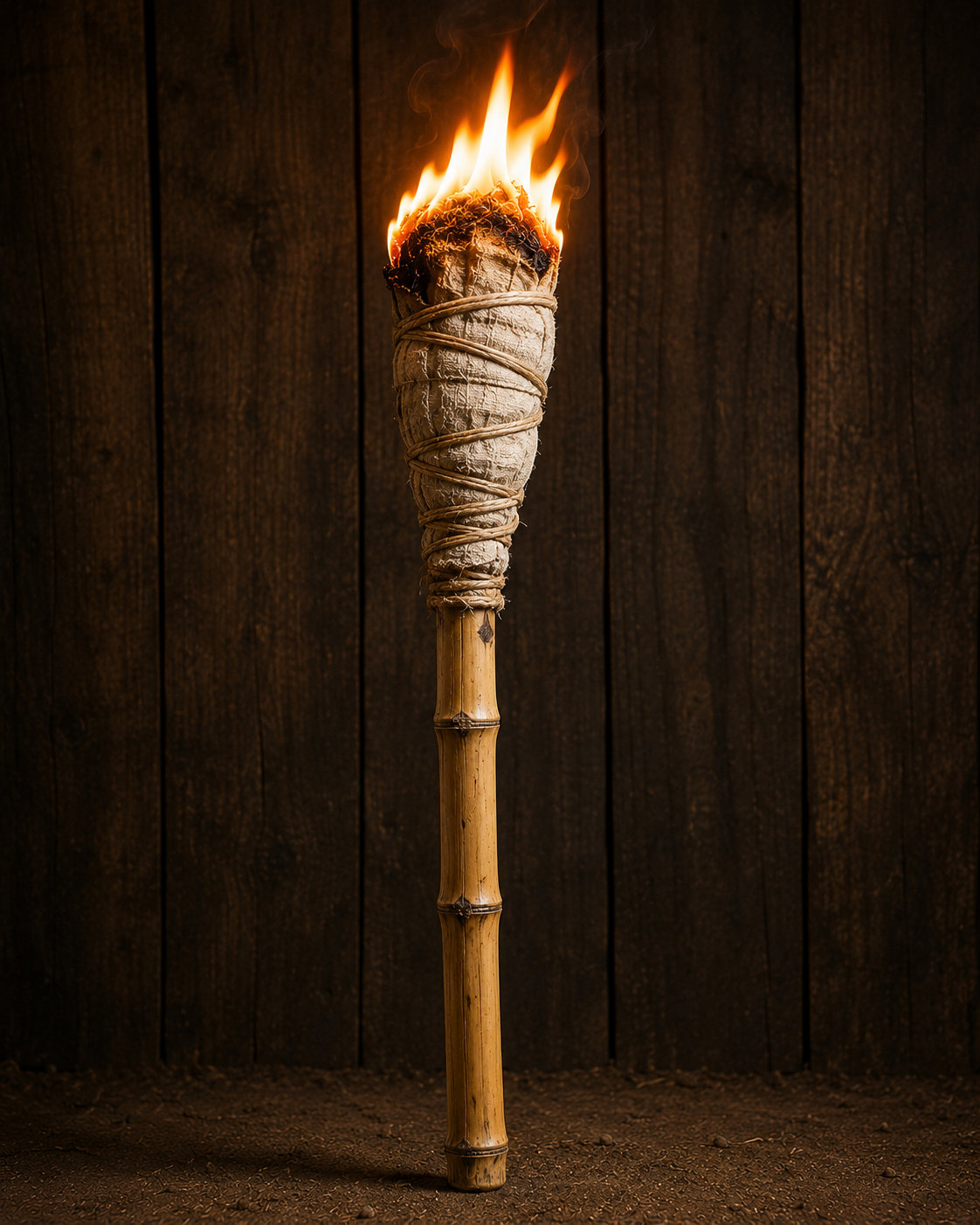
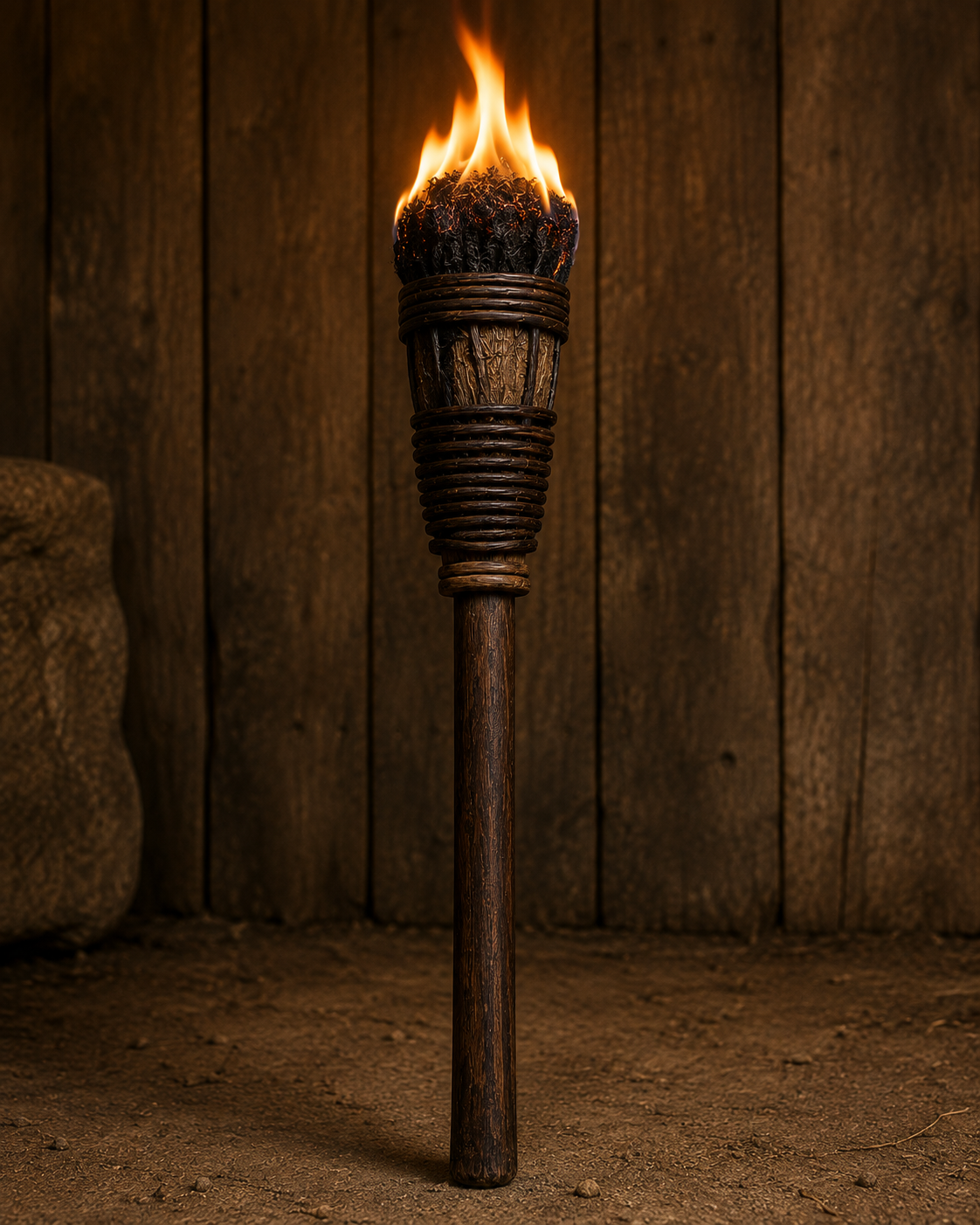
Thood was a traditional torch used by Kodavas during hunting and while walking around in darkness. It was originally made by burning cakes made from oily seeds and was later adapted by wrapping the combustible material in cloth to provide a longer-lasting flame. Thood was an early form of portable illumination used in traditional Kodava life, particularly during night hunting and movement through dark surroundings. It served both a practical purpose and as an important part of the traditional hunting equipment of the time.
In its earliest form, Thood was made using cakes prepared from oily seeds. These oil-rich cakes could be ignited and carried as a source of light. As the need for a torch that would burn for a longer period arose, the method evolved. The oily material was wrapped in cloth, allowing the torch to sustain its flame for a longer duration.

How It Was Used

Traditional use: Thood was traditionally used:
During hunting at night
While walking through dark areas
For providing portable illumination before modern lighting became available

Cultural significance: Thood reflects the ingenuity of traditional Kodava communities in using locally available agricultural and natural materials to solve practical problems.
It provided essential illumination during activities that had to be undertaken after dark, especially hunting and movement through forested terrain.

Historical context: Thood belongs to a period when artificial lighting was limited or unavailable in rural Kodagu. Night-time activities therefore depended on simple forms of fire-based illumination.
Its association with hunting also places the object within the broader material culture of traditional Kodava hunting practices.

Material & Making
WoodBambooCotton

In the earlier form, oily seeds were processed into cakes, which were then used as the combustible portion of the torch.
Later, these oil-rich cakes or combustible material were wrapped with cloth and secured to form a torch head. When ignited, the oil-rich material allowed the cloth-wrapped torch to burn for an extended period.

Who Used It? / Where? / When?
OwnershipNot yet recorded
Period Ancient
Status of traditionNearly extinct
The Tradition Today

Reason for decline: The use of Thood declined with the introduction of modern sources of illumination, including kerosene lamps, electric lighting, torches and battery-powered lights.
As these became readily available, traditional fire torches were no longer necessary for everyday movement or hunting.

Revival efforts: Thood is no longer part of everyday life, but documenting it is important for preserving knowledge of traditional Kodava hunting practices and indigenous methods of illumination.

Recording how the oily seed cakes were prepared and how the cloth-wrapped version was constructed can help ensure that this knowledge is not lost.

Sources
KodavaClan archive