A living archive of Kodagu — objects, memories, skills and the voices of the people who kept them. See what's on display →
Explore / Martial Heritage / Ambh Bill
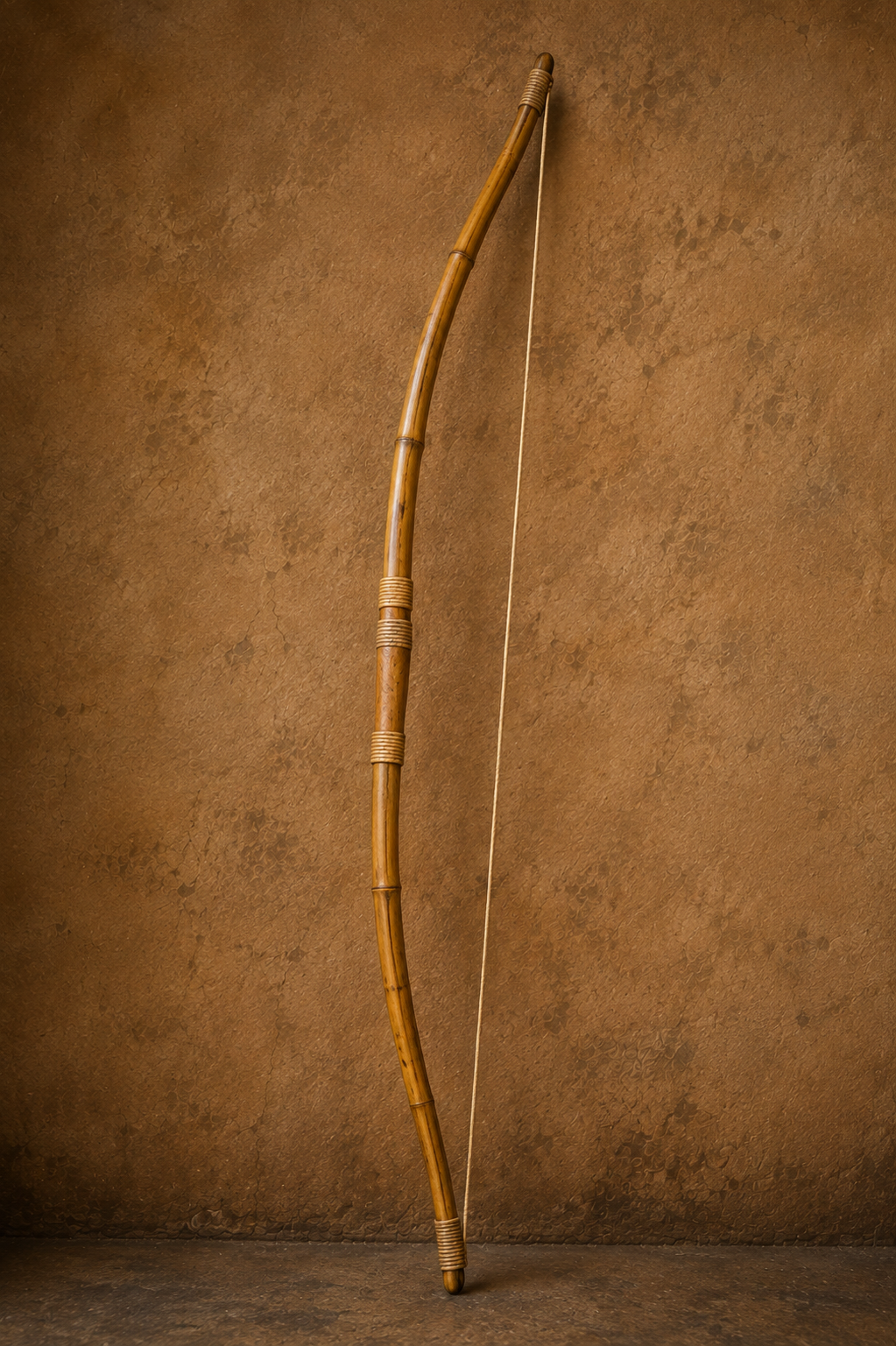
Ambh Bill
Martial Heritage

Ambh Bill

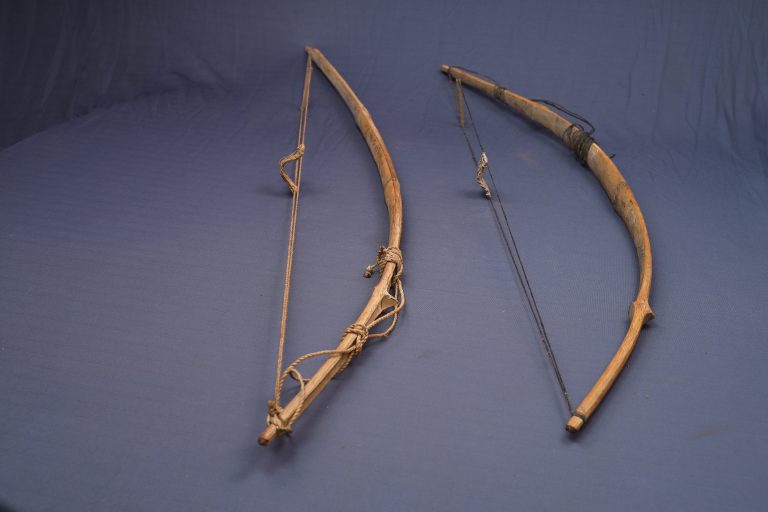
Traditional Bow
Also written: ಅಂಭ್ ಬಿಲ್
Preserved by a custodian
Kodava Clan
CULTURAL ARTIFACT ACQUISITION
This artifact is preserved for future generations
with the support of a proud custodian who values
our heritage and its legacy.
PRESERVED BY
Shri Achaiah Codanda
OBJECT
Ambh Bill
Traditional Bow
ACQUIRED ON
8 October 2026
LAND OF ORIGIN
Kodagu, Karnataka
VIRTUAL MUSEUM OF KODAVA HERITAGE
Preserve. Respect. Pass On.
No. VMKH-2026-00047
About the Object

Ambh Bill is the traditional bow and arrow of the Kodavas, historically used for hunting and warfare in Kodagu. It represents an early form of weaponry used by the people of the region

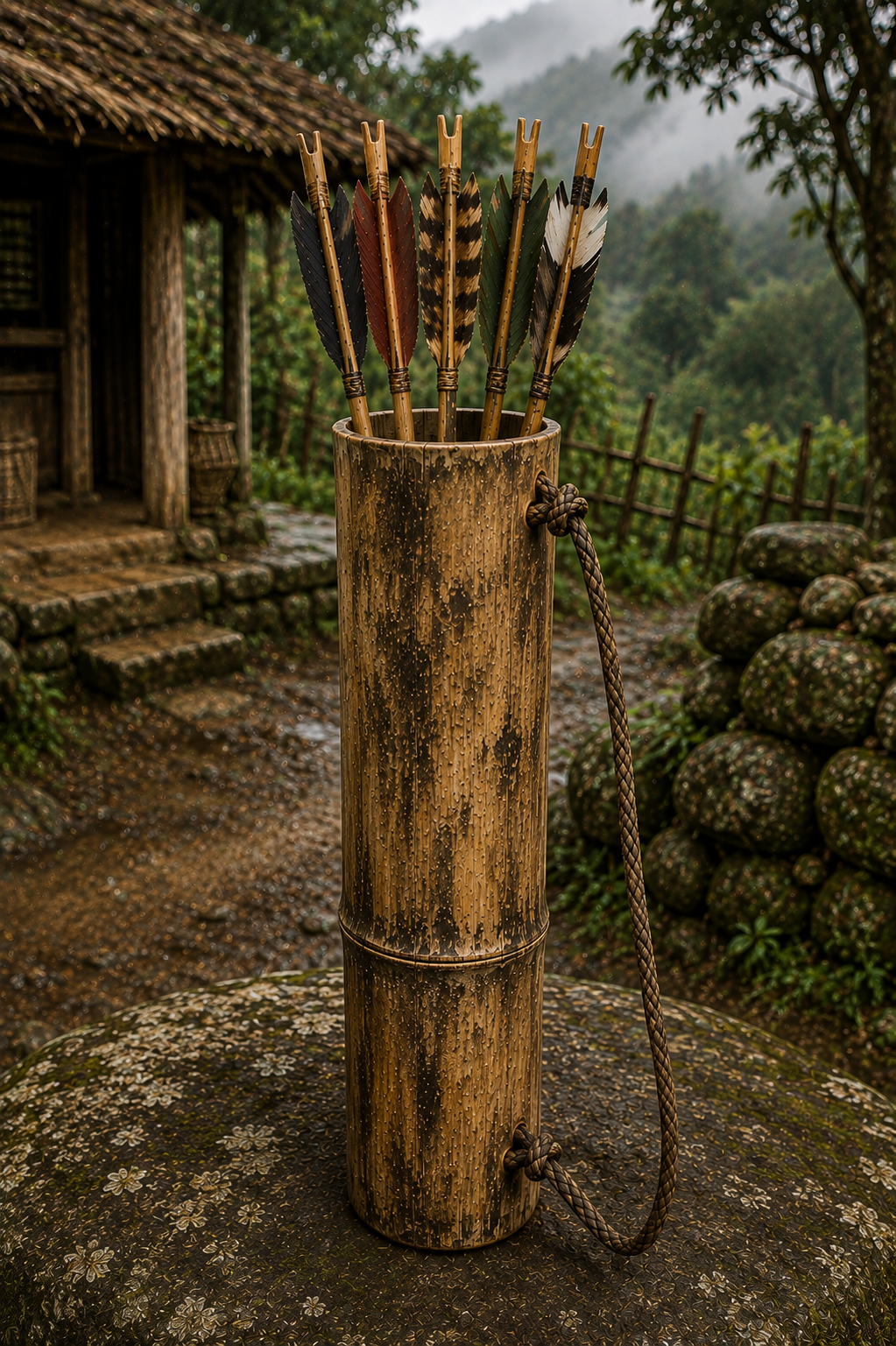
The Ambh Bill consists of a bow and arrows, forming a traditional projectile weapon used by the Kodavas before the widespread adoption of firearms. It reflects the practical knowledge, skill and martial traditions that developed in the forested and hilly landscape of Kodagu.

How It Was Used

Traditional use: The Ambh Bill represents the martial heritage and self-reliance of the Kodava community. Along with other traditional weapons, it reflects the importance of hunting, defence and warrior skills in earlier Kodava society.

Cultural significance: The bow and arrow belongs to an earlier period of Kodava weaponry, before firearms became the dominant ranged weapons. Kodagu's forested landscape and hunting traditions provided an important context for its use. The Kodagu Heritage catalogue describes it as one of the earliest forms of weaponry used in Kodagu

Historical context: Ambh Bill represents one of the earliest forms of weaponry used in Kodagu. The bow was traditionally used by the Kodavas for hunting as well as warfare, reflecting a period when knowledge of the forest, hunting skills and traditional weapons were important parts of life in Kodagu. Before the widespread use of firearms, the bow and arrow provided an effective means of engaging targets from a distance. Over time, its practical role diminished as firearms became the principal weapons for hunting and warfare

Material & Making
WoodBambooCaneIron

The traditional method involved selecting suitable natural materials, shaping the bow, preparing the bowstring and making arrows. The exact traditional materials and techniques used by Kodava craftsmen should be recorded through field research and oral history where available rather than assumed

Who Used It? / Where? / When?
OwnershipNot yet recorded
Period Ancient
Status of traditionExtinct
The Tradition Today

Reason for decline: The use of Ambh Bill declined mainly with the introduction and wider availability of firearms, which were more effective for hunting and warfare. As firearms replaced traditional bows and arrows, the Ambh Bill gradually lost its practical purpose and became primarily a heritage and ceremonial objec

Revival efforts: Preservation can focus on documenting surviving bows and arrows, recording traditional knowledge from elders and craftsmen, and displaying them during heritage programmes and cultural events. Demonstrations of traditional archery, where appropriate and safely conducted, can also help younger generations understand this part of Kodava heritage

Sources
KodavaClan archive
Entered from the KodavaClan Modha Goodē reference glossary, as supplied by the curator.
Reference link