About the Object
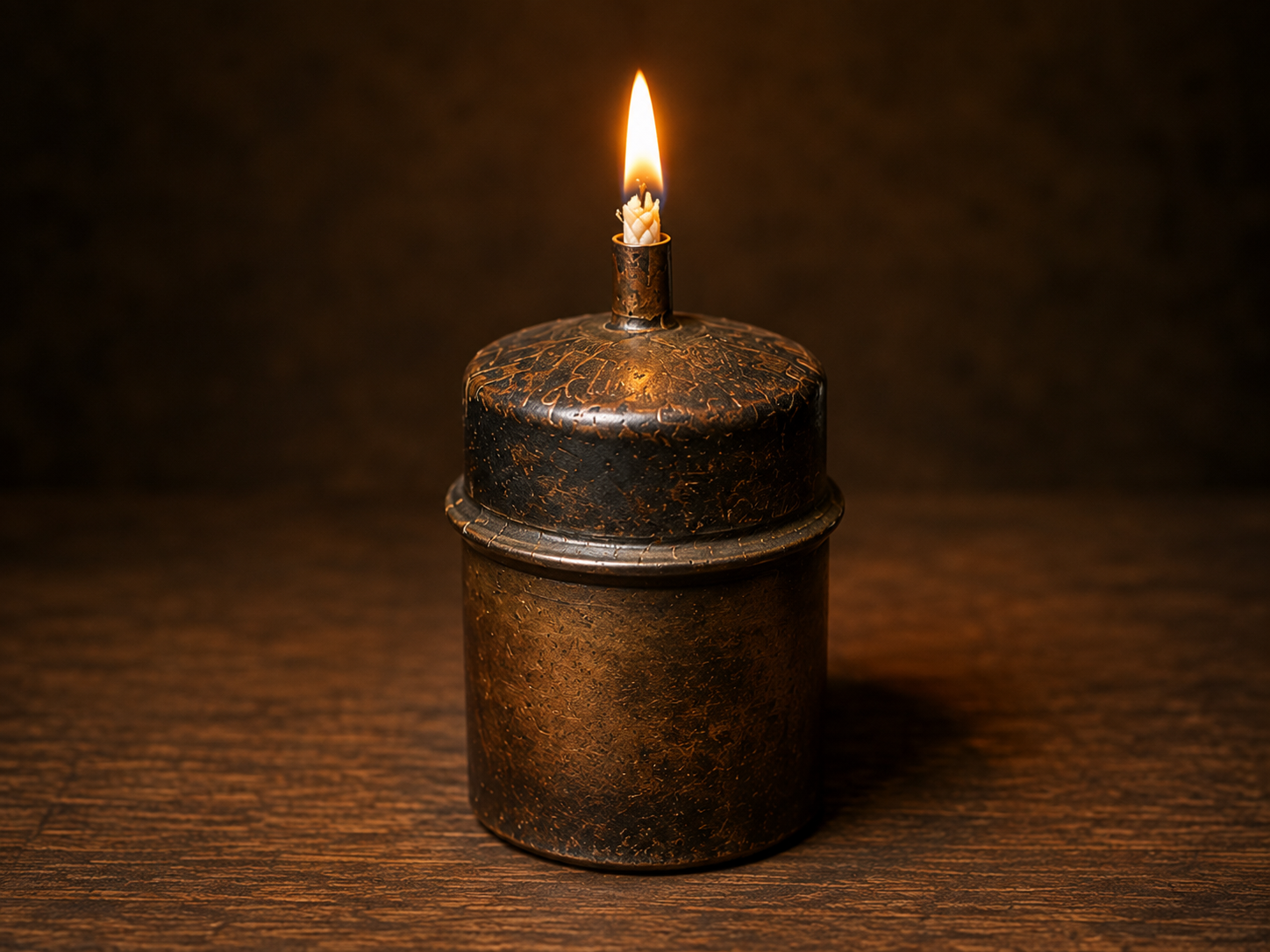
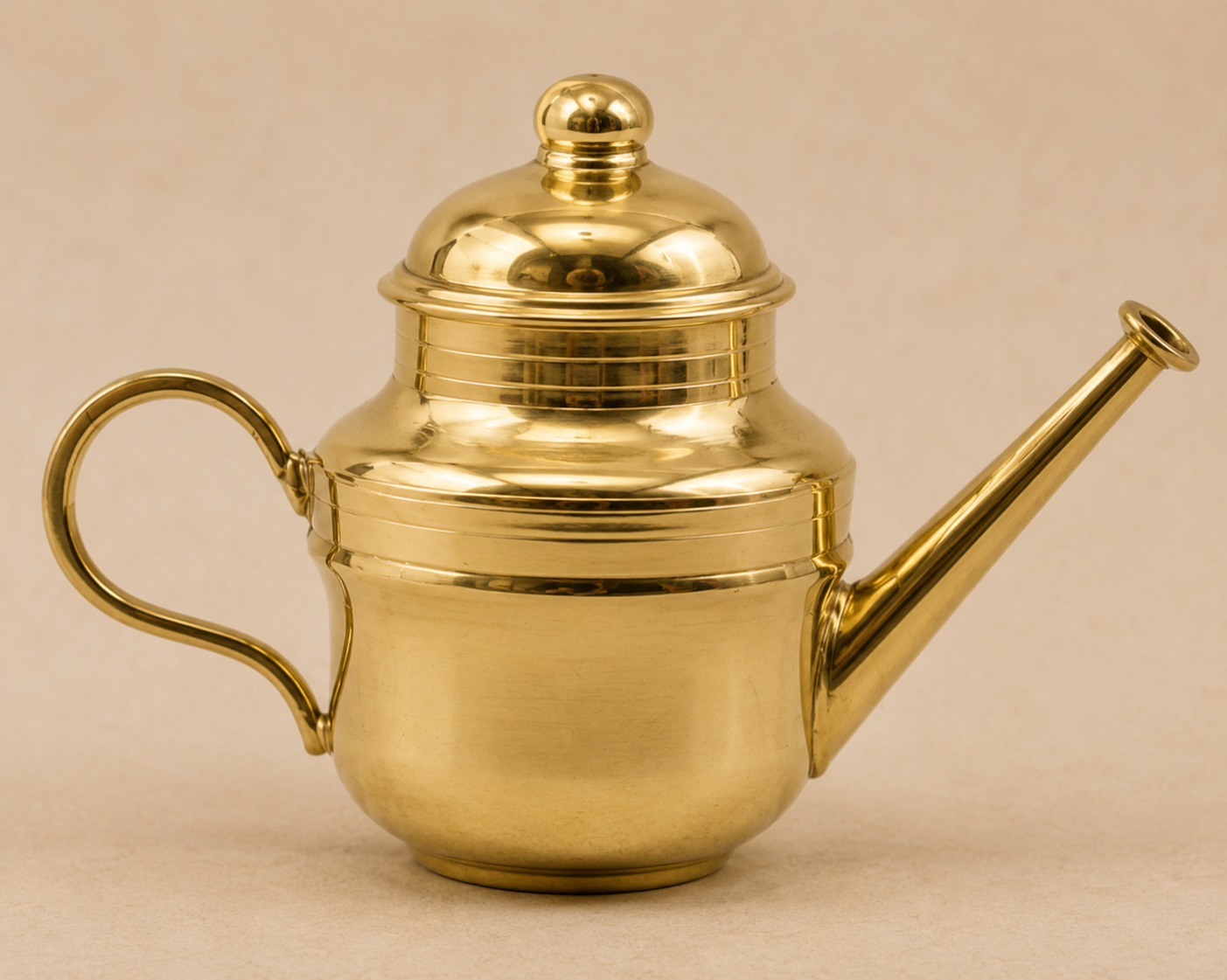
Thiri Bolcha, is a traditional lamp used for illumination at night. It was produced in different sizes and shapes and was particularly useful for lighting smaller spaces such as rooms and bathrooms.
The Ceemanne Bolcha / Thiri Bolcha was a practical household lighting object used before electric lighting became widespread. Unlike large ceremonial lamps, this lamp served a more functional purpose—providing a small but useful source of light during the night.
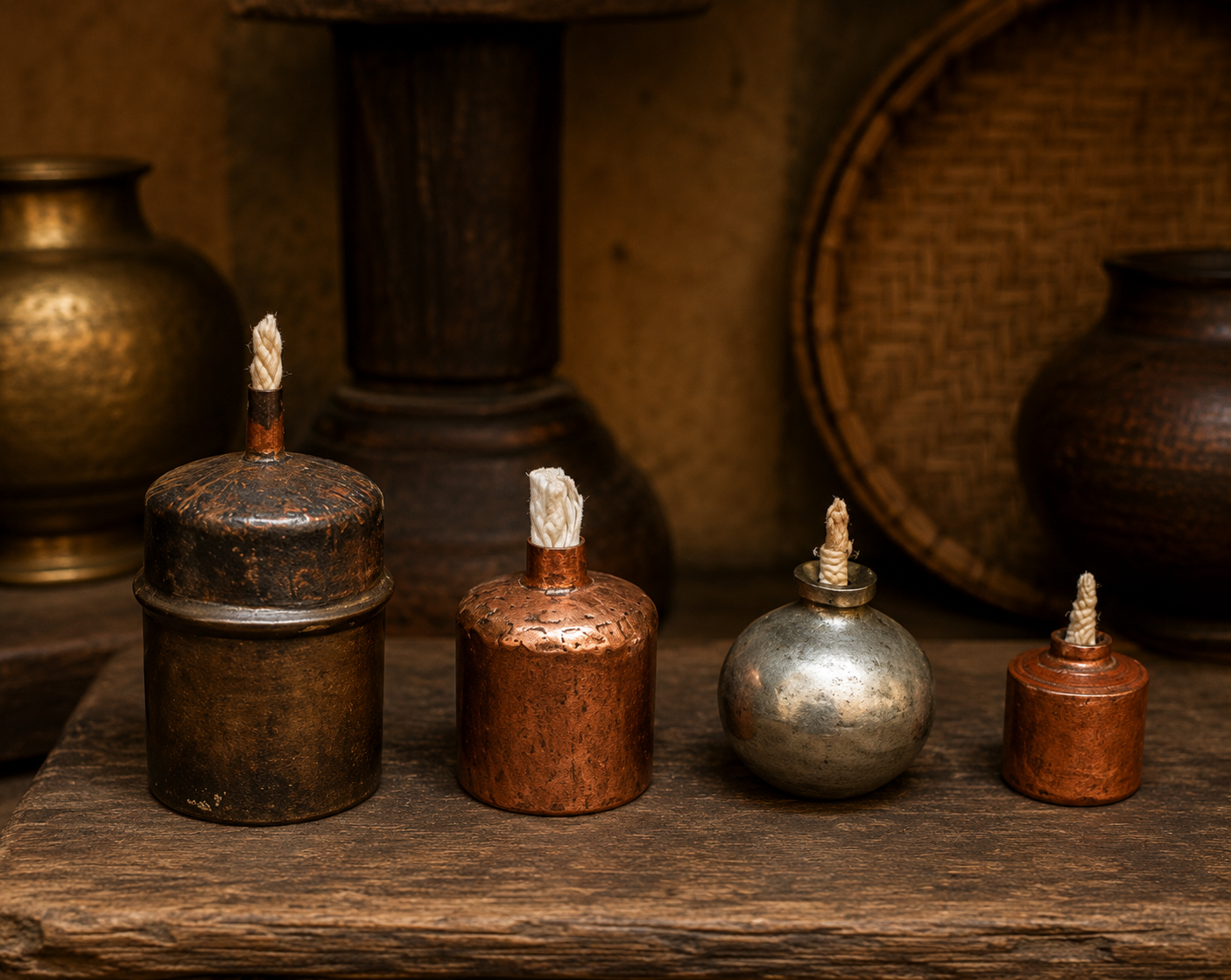
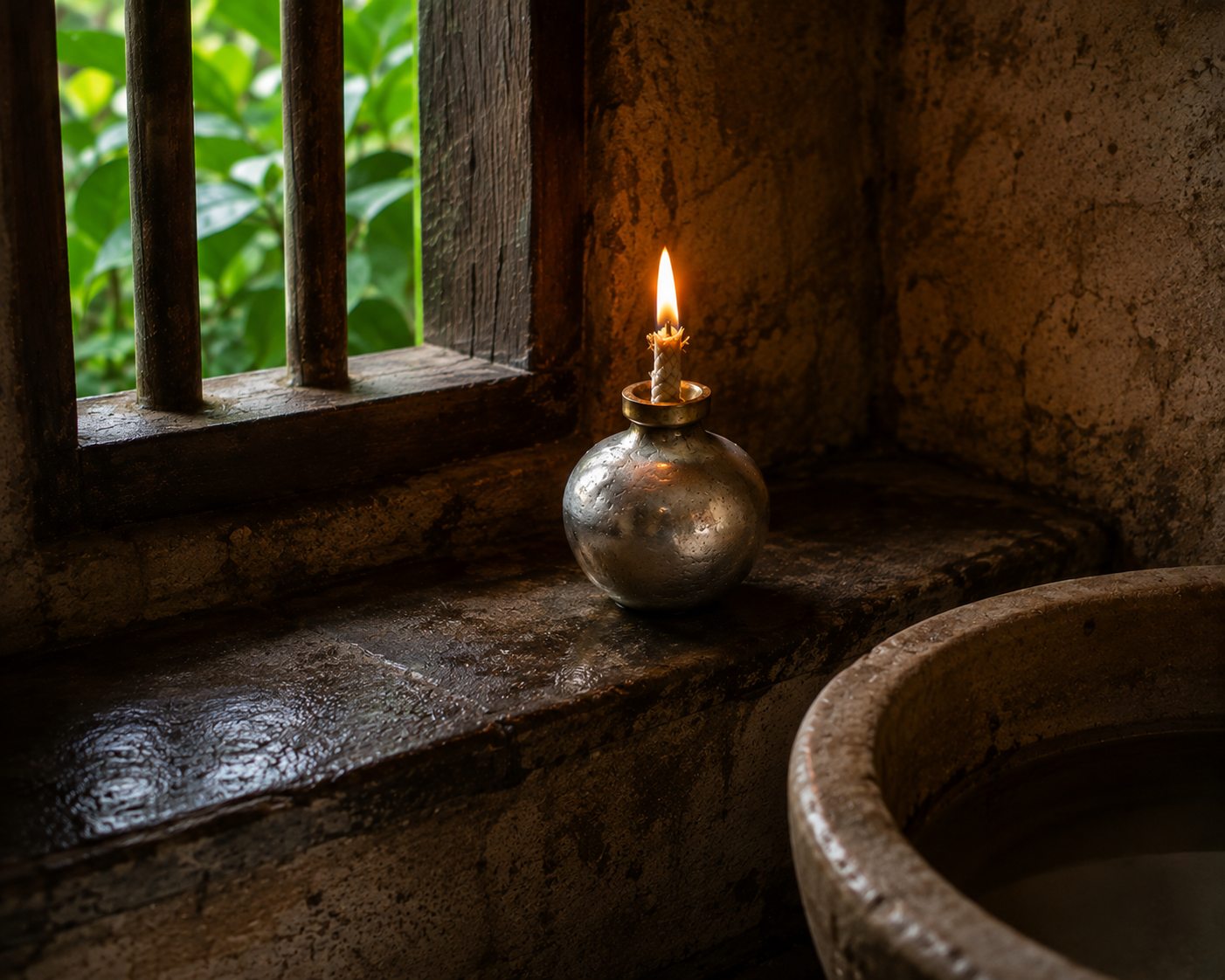
The lamps were made in several sizes, from small examples suitable for limited spaces to larger versions capable of providing more illumination. They were especially associated with smaller rooms and bathrooms, where a compact source of light was sufficient.
The surviving examples demonstrate the variety of materials and forms used for traditional household lighting. The Kodagu Heritage collection records examples made from aluminium, Hindalium, brass and other alloys
How It Was Used
Traditional use: The lamp was used at night to brighten household spaces, particularly smaller rooms and bathrooms.
Cultural significance: The Thiri Bolcha represents the everyday technology of lighting in traditional Kodagu households. It was not necessarily a ceremonial object; its importance lay in its practical role in allowing household activities to continue after sunset.
Its association with smaller rooms and bathrooms also gives an insight into how lighting was adapted to different spaces within a traditional home.
Historical context: The Ceemanne Bolcha / Thiri Bolcha is a small but significant example of traditional household technology in Kodagu. It records a period when illumination depended on simple oil lamps rather than electricity.
Its different sizes, shapes and materials also illustrate how everyday objects evolved alongside changing technologies. Preserved examples from old houses and Ainmanes therefore provide valuable evidence of the domestic life, material culture and technological transition of Kodagu.
Material & Making
Iron
One of its notable features is the range of materials and forms in which the same basic lighting function was achieved. The combination of a compact reservoir and wick made it an efficient household object that could be adapted to different sizes and settings.
Who Used It? / Where? / When?
OwnershipNot yet recorded
Period
Colonial
Status of traditionRare
The Tradition Today
Reason for decline: The use of Ceemanne Bolcha / Thiri Bolcha declined primarily because electricity replaced traditional oil lamps as the principal means of household lighting
Revival efforts: Preservation should include the lamp itself as well as documentation of its material, dimensions, shape, wick arrangement, place of use and association with the traditional house.
Different examples should ideally be documented separately because the variation in aluminium, Hindalium, brass and alloy demonstrates the changing technology of household lightin