A living archive of Kodagu — objects, memories, skills and the voices of the people who kept them. See what's on display →
Kupaya
Dress & Clothing · Traditional Attire

Kupaya ಕುಪ್ಯ

Traditional Men's Coat
Also written: Kupaya ಕುಪ್ಯ

Virtual Museum of
Kodava Heritage

Help Preserve

This Piece of Kodava Heritage

Your support helps us preserve our heritage
for today and future generations.

Support as
a Custodian
₹1,500
per artifact
About the Object

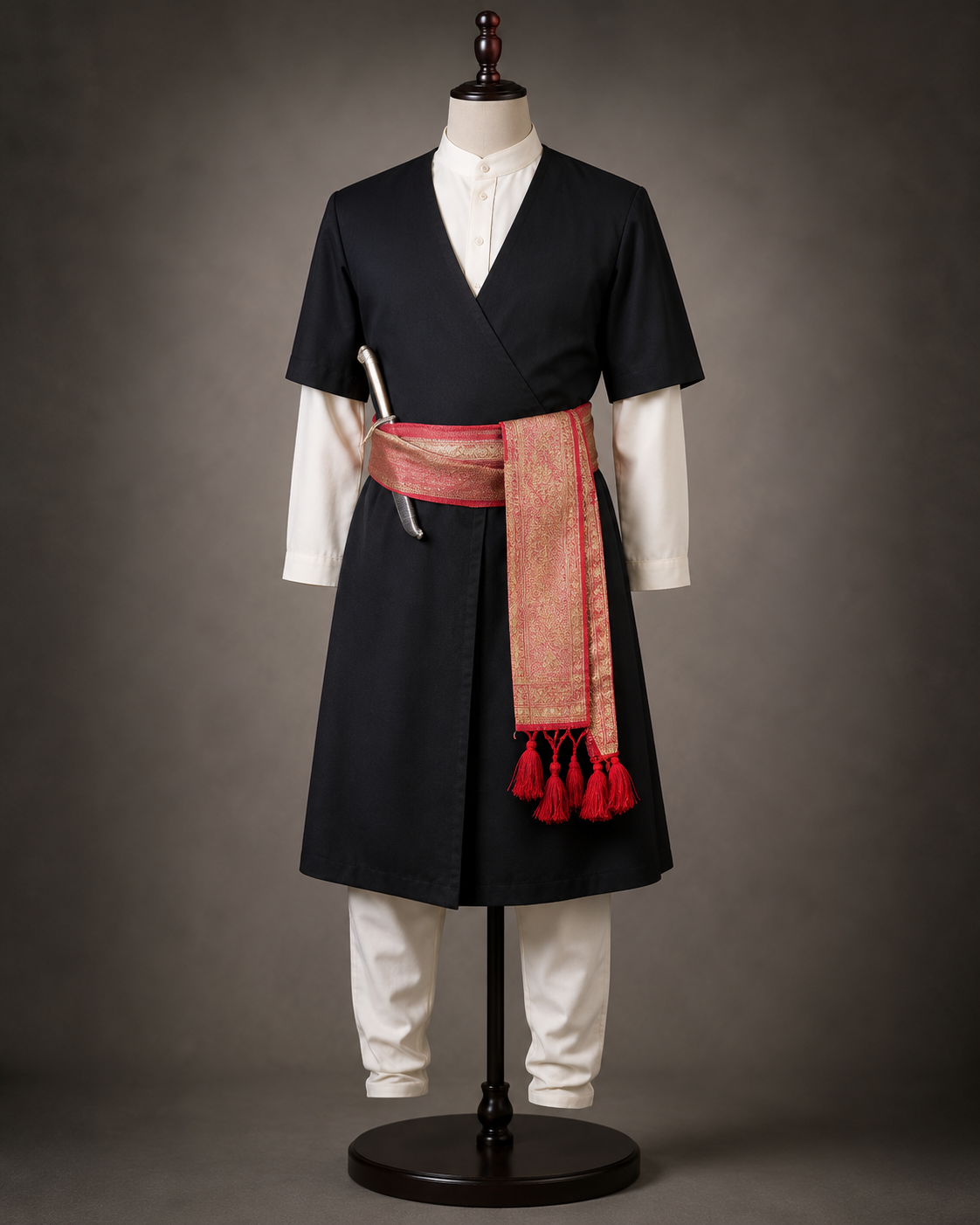
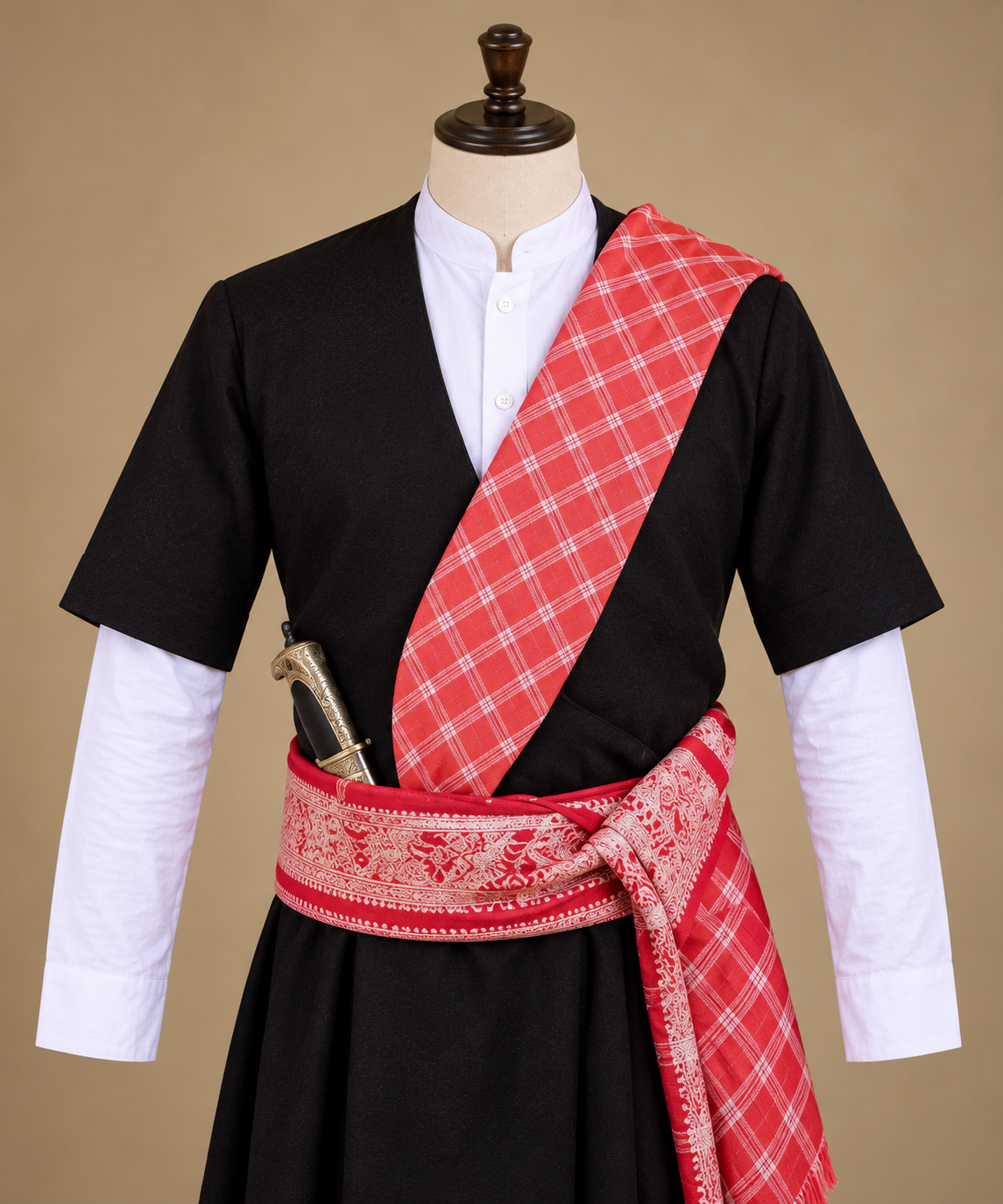
Kupya is the traditional formal attire of Kodava men. It is a collarless, wrap-around garment that traditionally extends below the knees.

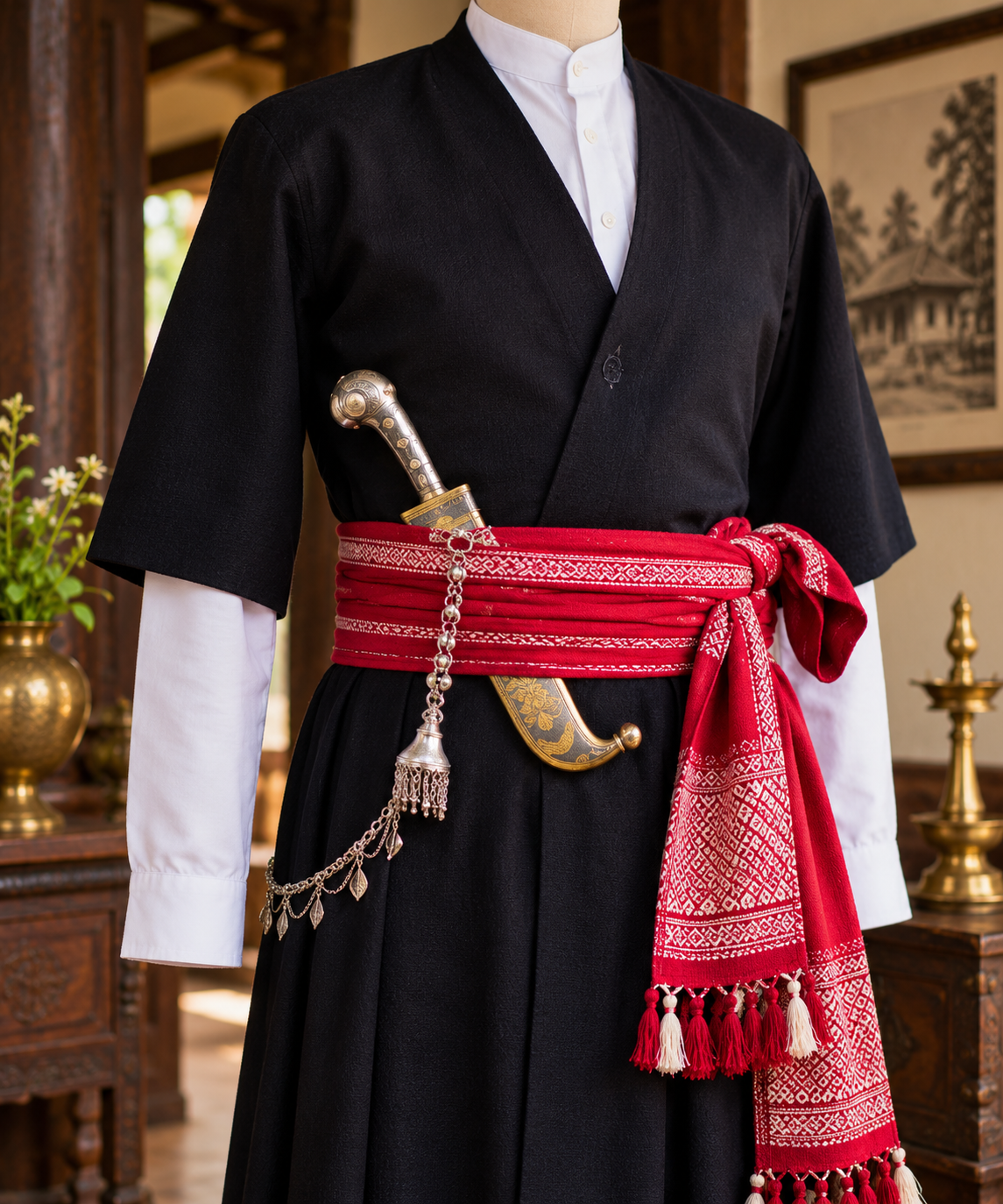
The Kupya is a distinctive garment that forms an important part of traditional Kodava men's attire. The traditional black Kupya is generally short-sleeved and made from thick cotton material. It is wrapped around the body and secured at the waist with a Chele, a red or crimson silk sash decorated with gold embroidery.

How It Was Used

Traditional use: Kupya was worn by Kodava men as formal and ceremonial attire, particularly during important social, family and religious occasions.
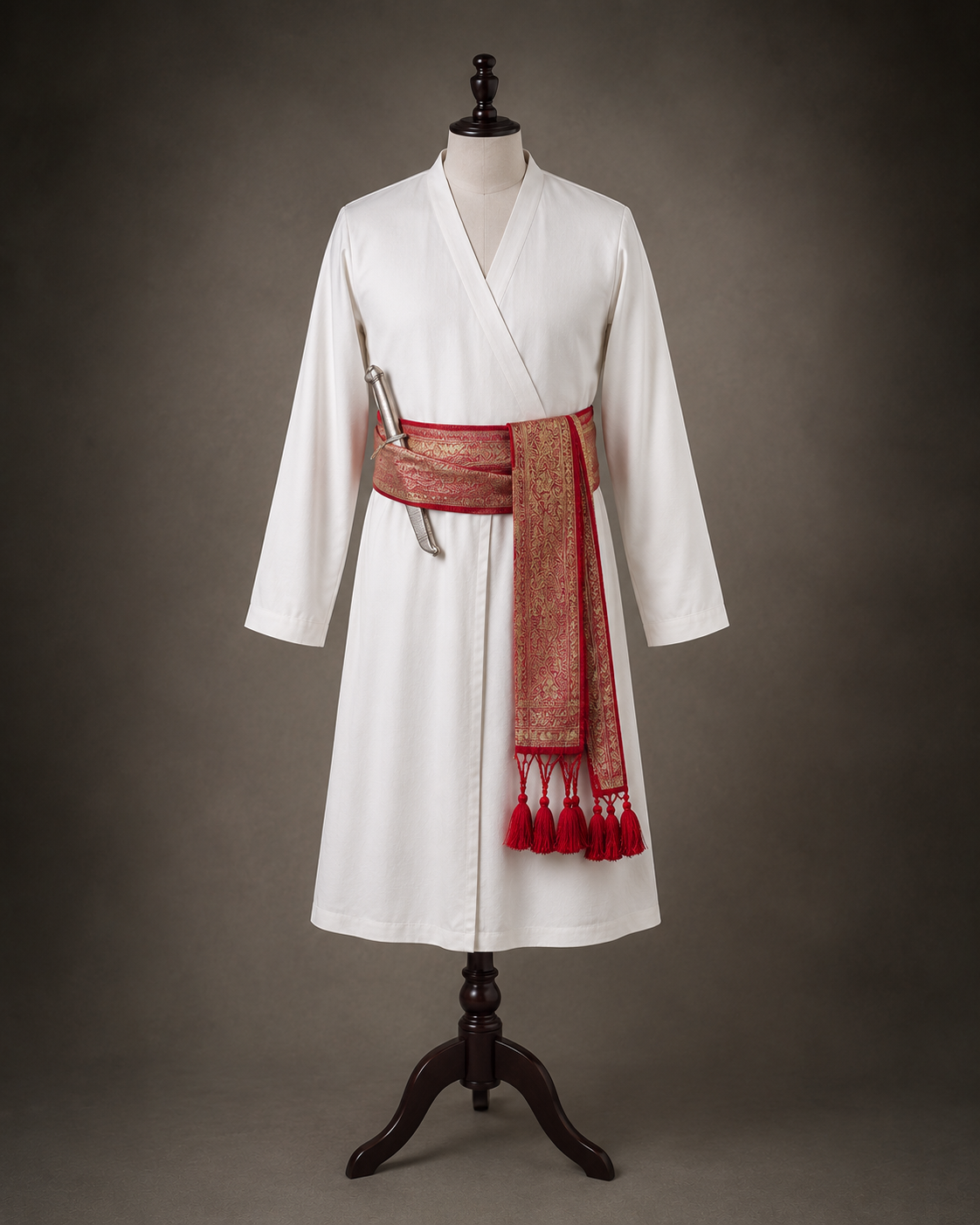
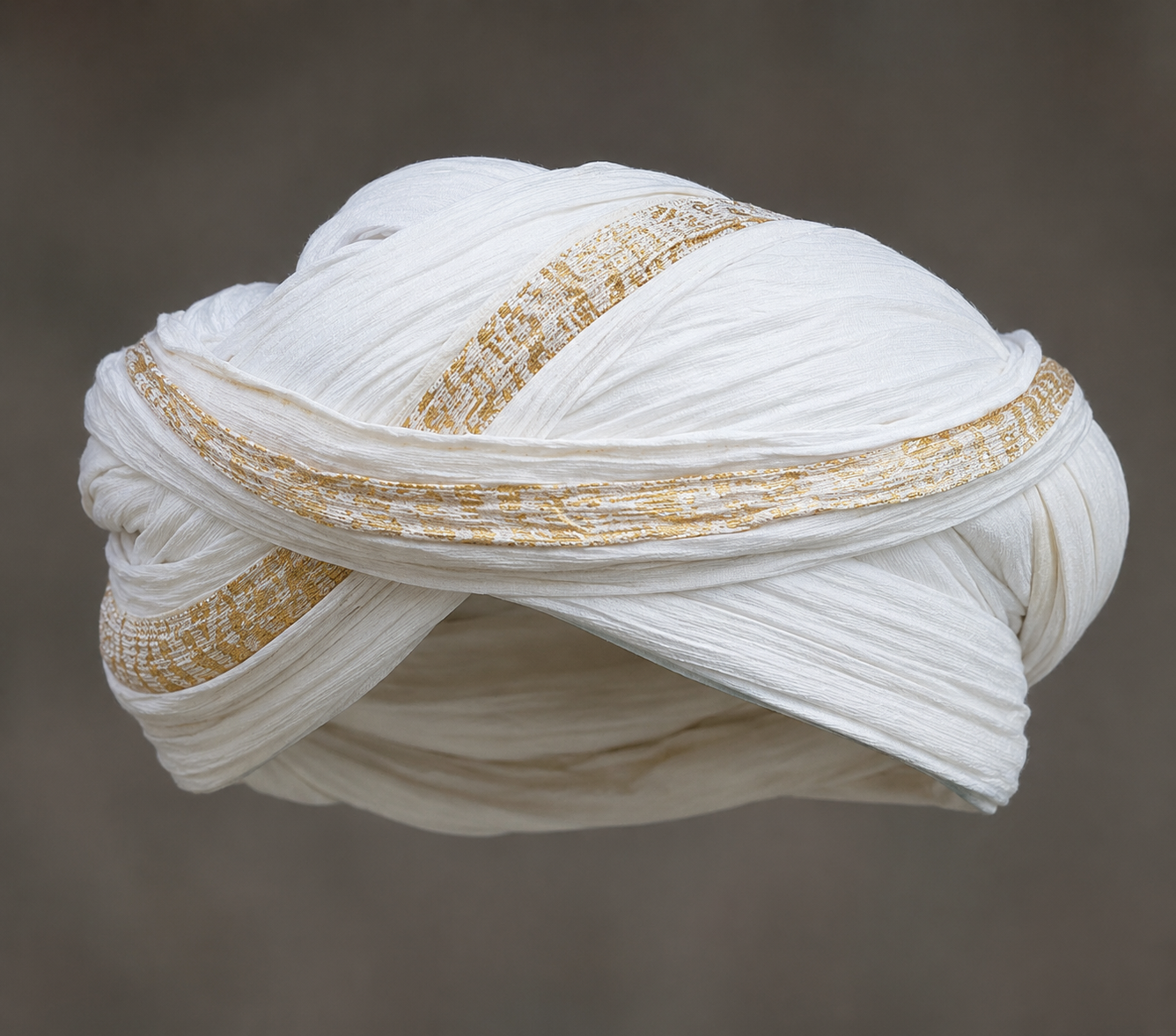
During a traditional Kodava wedding, the bridegroom wears a white Kupya, accompanied by the Chele and a brocaded white turban or mande tuni. The wedding Kupya is long-sleeved

Cultural significance: Kupya is one of the strongest visual expressions of Kodava identity. Together with the Chele, Mandethuni ( Turban ) and traditional weapons, it forms the distinctive formal appearance of a Kodava man.
The white Kupya has greater ritual and ceremonial significance. The Kodagu Heritage page describes it as ritually superior to the black Kupya and traditionally worn by a man in a position of honour

Historical context: The Kupya is described as an ethnically distinctive form of Kodava male clothing with a long history. Historical accounts also describe differences in how the white Kupya was worn depending on the ceremony, including wedding and funeral contexts

Material & Making
Cotton

The traditional black Kupya is described as being made from thick cotton material. The white ceremonial Kupya is described as cotton, while historical accounts also document variations in fabric and construction.

Who Used It? / Where? / When?
OwnershipNot yet recorded
Period Ancient
Status of traditionStill used ceremonially
The Tradition Today

Reason for decline: The everyday use of the traditional Kupya has declined as modern Western-style clothing became more common. Historical documentation notes that trousers became part of the modern ensemble, whereas the Kupya was traditionally worn without trousers.

Revival efforts: Kupya continues to be worn during weddings, festivals, ceremonies and other important cultural occasions. Its continued use as ceremonial attire helps preserve the traditional identity associated with Kodava dress

Sources
KodavaClan archive
Reference link