A living archive of Kodagu — objects, memories, skills and the voices of the people who kept them. See what's on display →
Explore / Dress & jewellery / Kaal Pilli
Kaal Pilli
Dress & jewellery · Traditional Attire & Ornaments → Kodava Jewellery

Kaal Pilli -ಕಾಲ್ ಪಿಳಿ

Traditional Silver Foot Jewellery
Also written: ಕಾಲ್ ಪಿಳಿ

Virtual Museum of
Kodava Heritage

Help Preserve

This Piece of Kodava Heritage

Your support helps us preserve our heritage
for today and future generations.

Support as
a Custodian
₹1,500
per artifact
About the Object

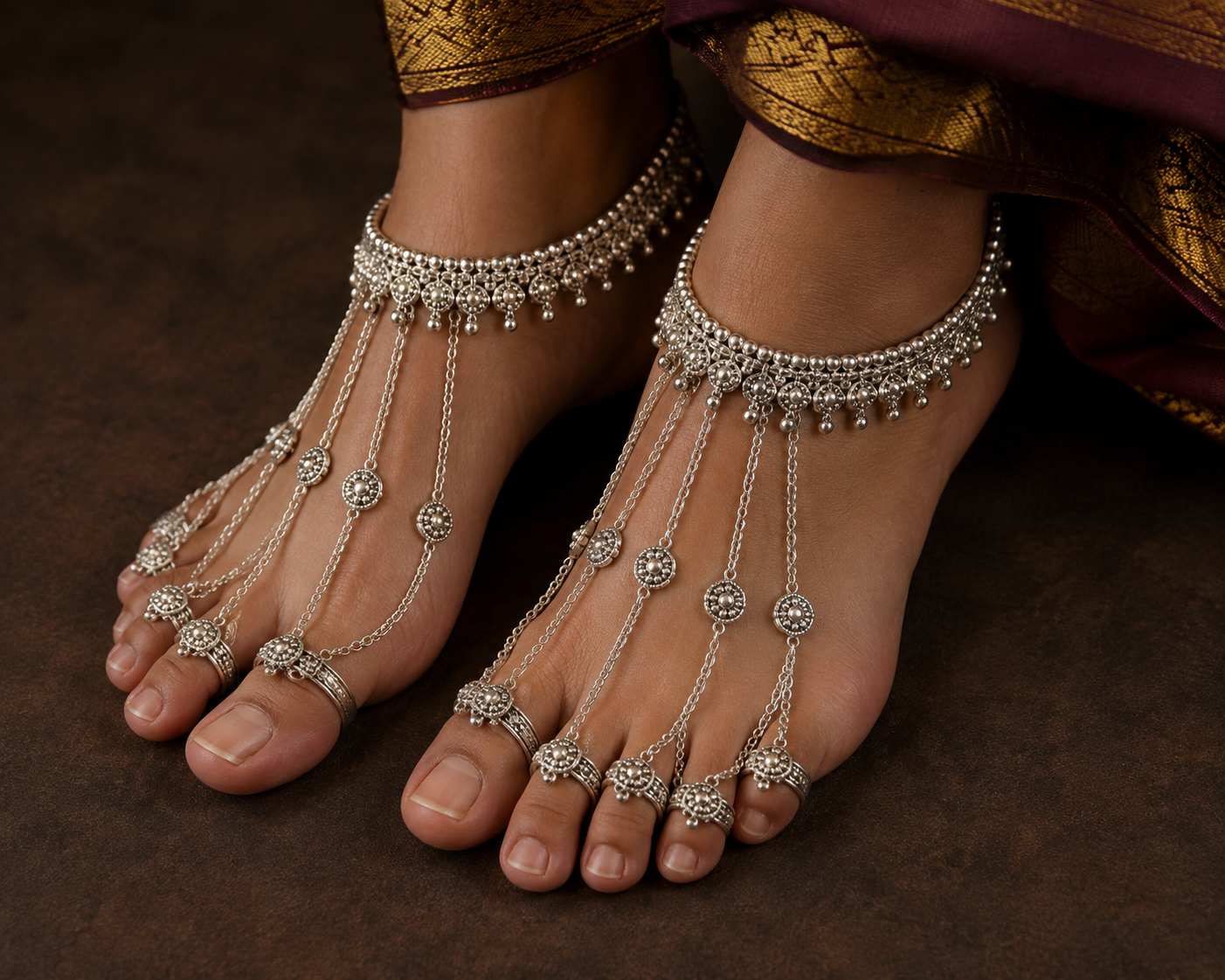
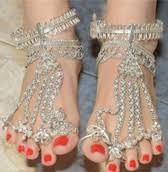
Kaal Pilli is traditional silver jewellery worn on the feet, particularly by the Kodava bride. It consists of individual toe rings connected by fine chains to chains worn around the ankles

Kaal Pilli is an elaborate piece of traditional Kodava foot jewelry. It is usually worn by the bride and is made of silver. Individual toe rings are attached to delicate chains, which are connected to ankle chains, creating an interconnected ornament extending from the toes to the ankles.

How It Was Used

Cultural significance: Kaal Pilli forms part of the distinctive traditional bridal jewellery of Kodava women. Its elaborate arrangement from the individual toes to the ankles reflects the importance given to detailed jewellery as part of traditional wedding attire.
The individual toe rings are placed on the toes, with their attached chains extending towards and connecting with the ankle chains. The arrangement creates a decorative network across the top of the foot

Historical context: Kaal Pilli belongs to the traditional jewellery heritage of Kodagu and represents an older style of ceremonial foot ornamentation associated particularly with the Kodava bride.

Material & Making
Gold

The ornament consists of individual toe rings, each connected to fine chains. These chains are linked to ankle chains, creating a continuous and carefully arranged foot ornament The toe rings, connecting chains and ankle chains are finely crafted, requiring careful metalworking and precise joining of the individual components.

Who Used It? / Where? / When?
OwnershipNot yet recorded
Period Ancient
Status of traditionStill used ceremonially
Sources
Source not recorded
Reference link