A living archive of Kodagu — objects, memories, skills and the voices of the people who kept them. See what's on display →
Explore / Wedding / Pathak
Pathak
Wedding · Traditional Attire & Ornaments → Kodava Jewellery

Pathak - ಪಥಾಕ್

Also written: ಪಥಾಕ್
Virtual Museum of
Kodava Heritage

Help Preserve

This Piece of Kodava Heritage

Your support helps us preserve our heritage
for today and future generations.

Support as
a Custodian
₹1,500
per artifact
About the Object

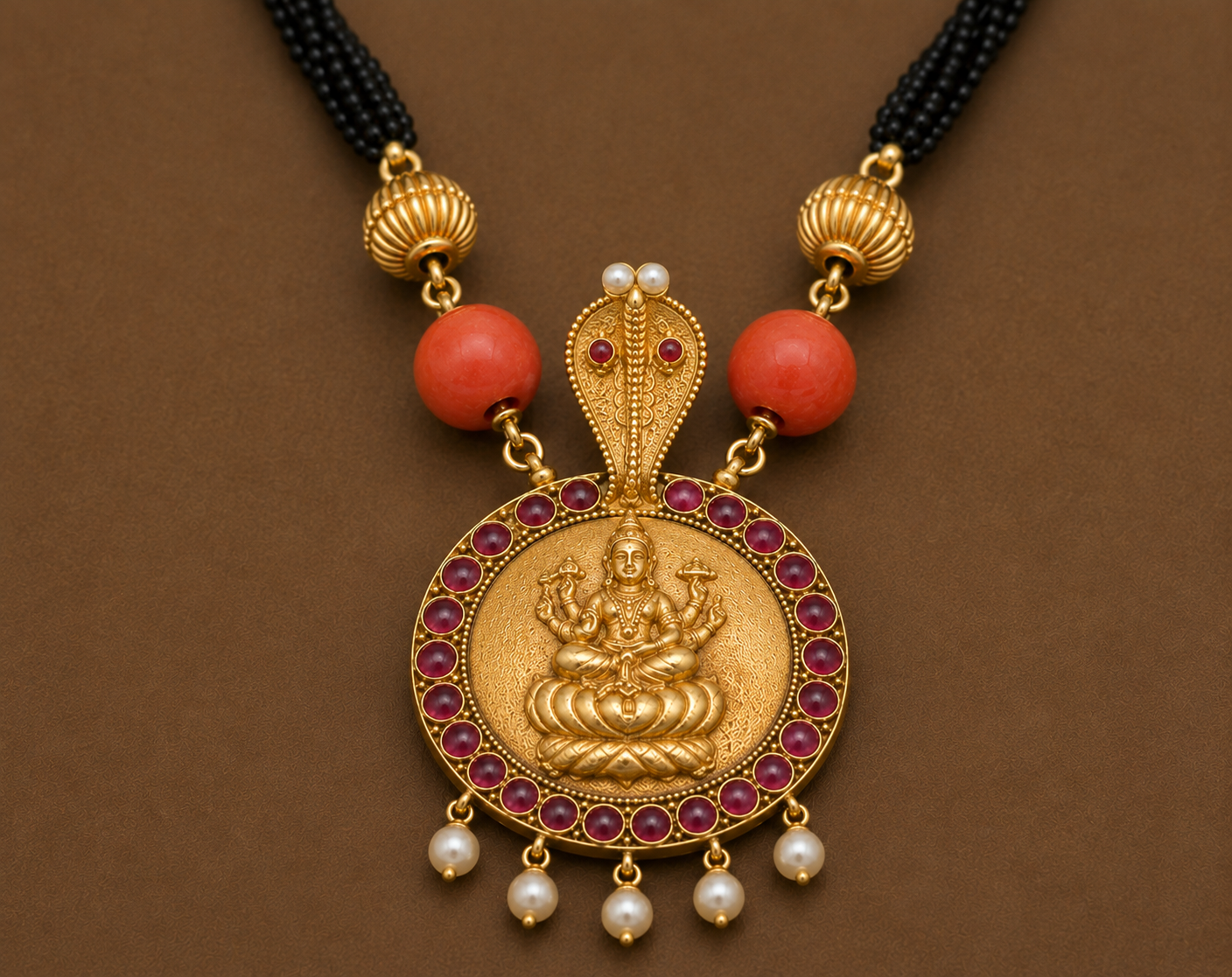
The Pathak is a traditional Kodava jewellery piece centred around a gold coin, framed with rubies and surmounted by a cobra, with hanging pearls and a chain of gold and coral beads as Mangalsutra

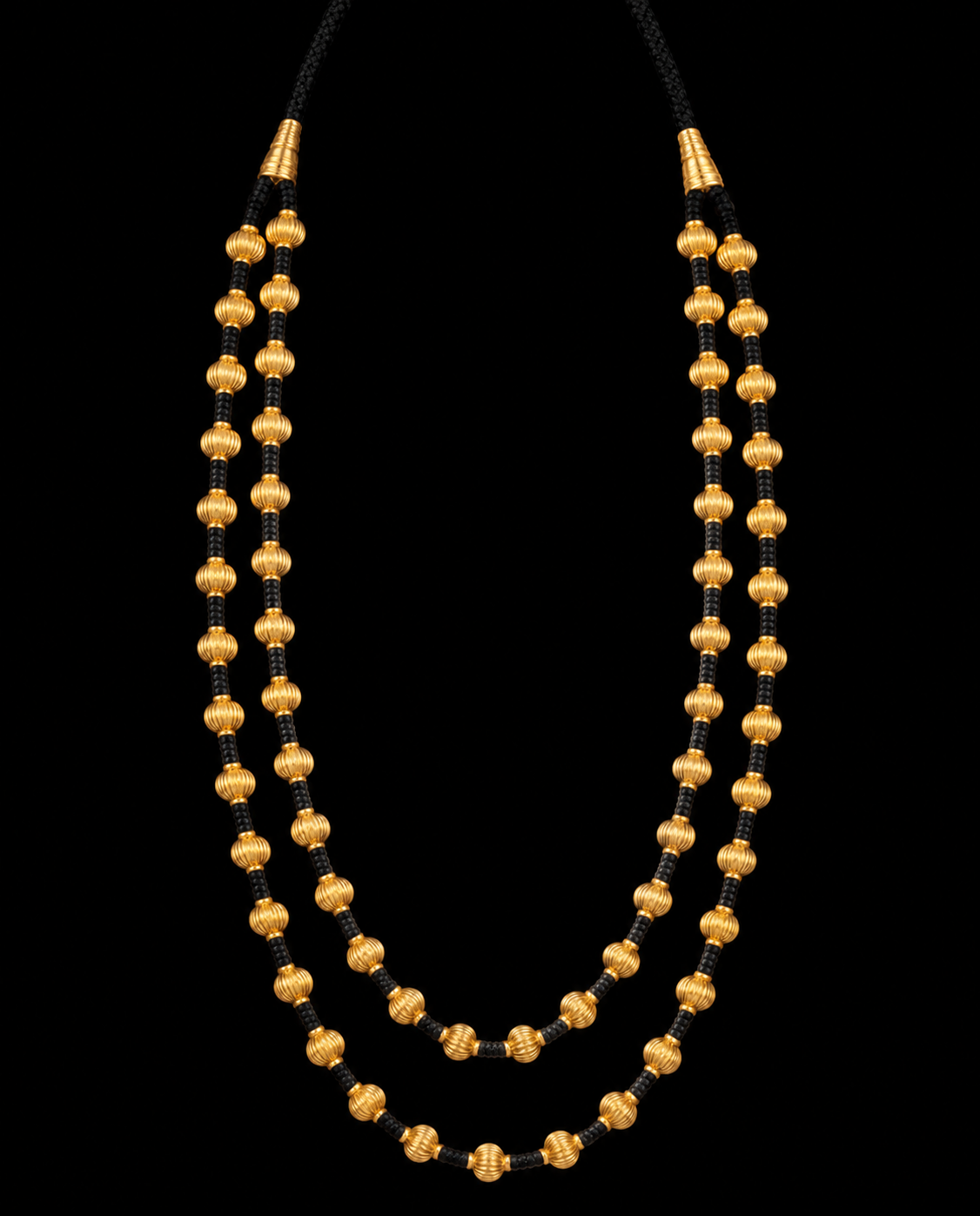
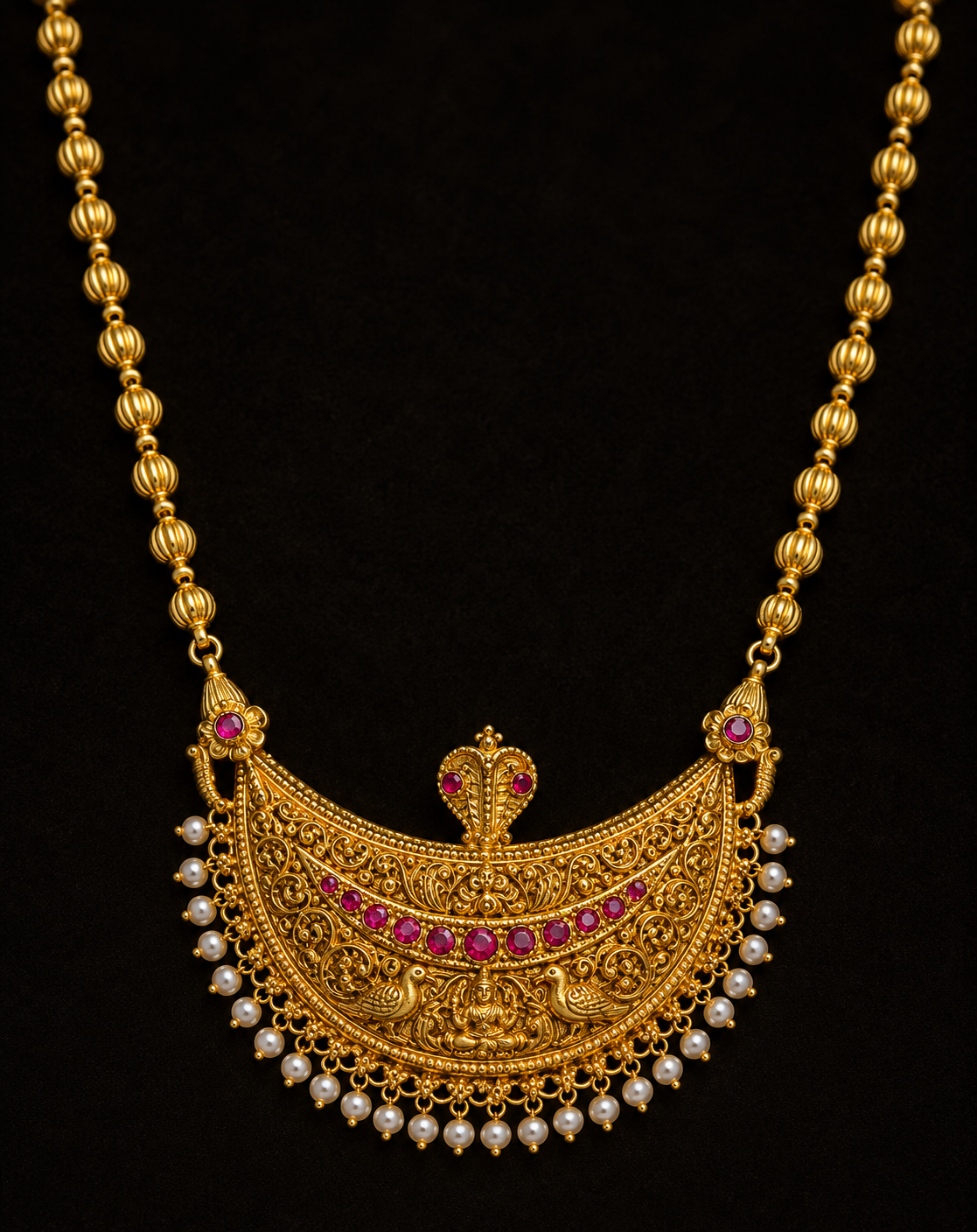
The Pathak is a distinctive piece of traditional Kodava jewellery. It usually consists of a gold coin with an engraved design, framed by rubies and surmounted by a cobra motif. Pearls hang from the pendant, while the necklace is completed with a chain of gold and coral beads arranged on a twisted strand of black beads.

How It Was Used

Cultural significance: The Pathak holds special significance in Kodava wedding tradition. Like a mangalsutra, it represents the bride's transition into married life, but its tradition is distinctive in that the mother of the bride ties the Pathak around her daughter's neck. This makes the ornament not only a symbol of marriage but also a meaningful expression of the mother's blessing, love and acceptance of the daughter's new stage of life.

Historical context: The Pathak belongs to the traditional jewellery heritage of Kodagu and forms part of the collection of ornaments historically worn by Kodava women. The Kodagu Heritage source places it within the broader tradition of jewellery designs inspired by nature, including serpents.

Material & Making
Gold

The central element is a gold coin, engraved and surrounded by a ruby frame. A cobra is positioned above the coin, while pearls hang from the pendant. The necklace extends from the pendant through gold and coral beads arranged along a twisted black-bead strand.

Who Used It? / Where? / When?
OwnershipNot yet recorded
Period Ancient
Status of traditionCommonly used
Sources
Source not recorded
Reference link