About the Object
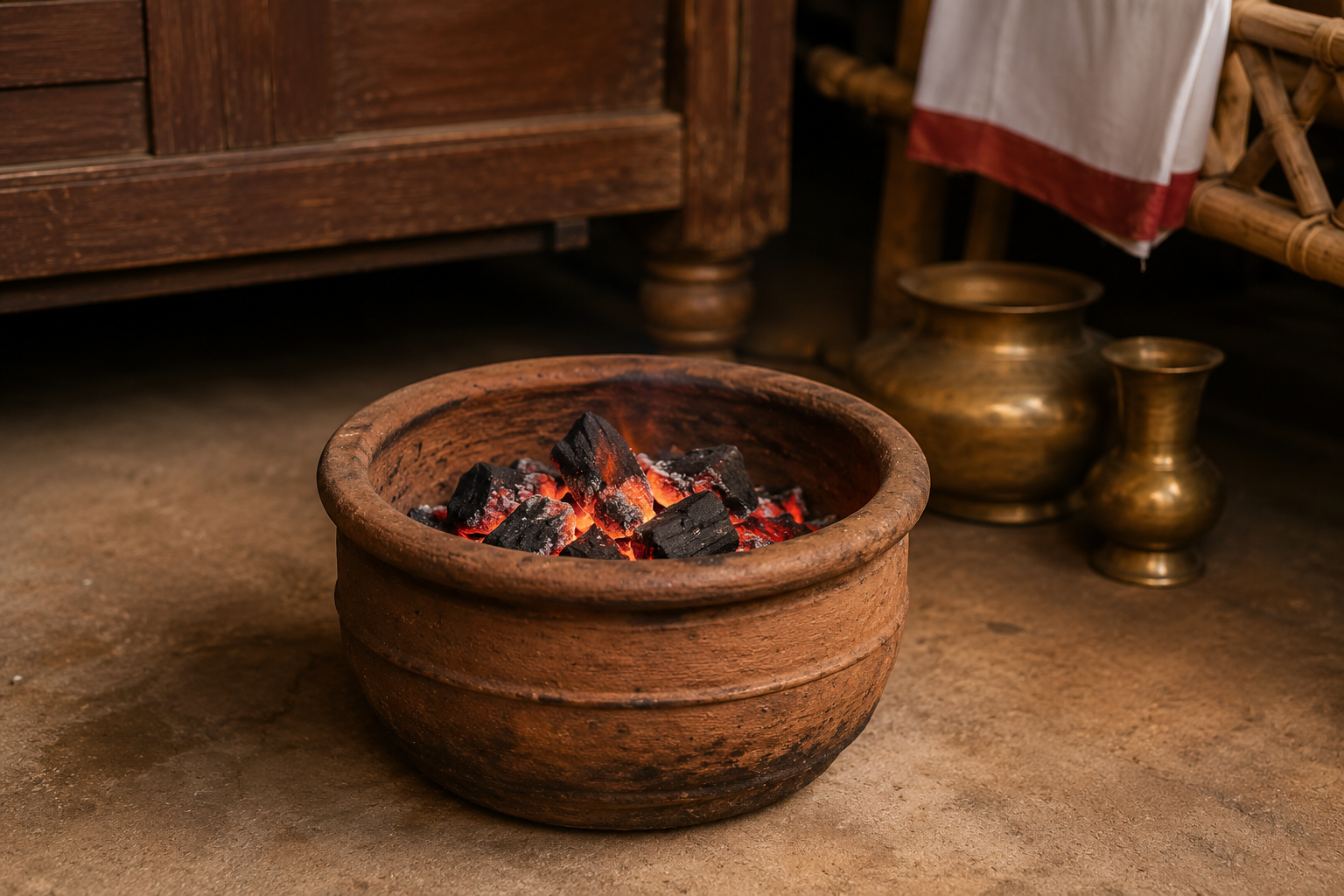
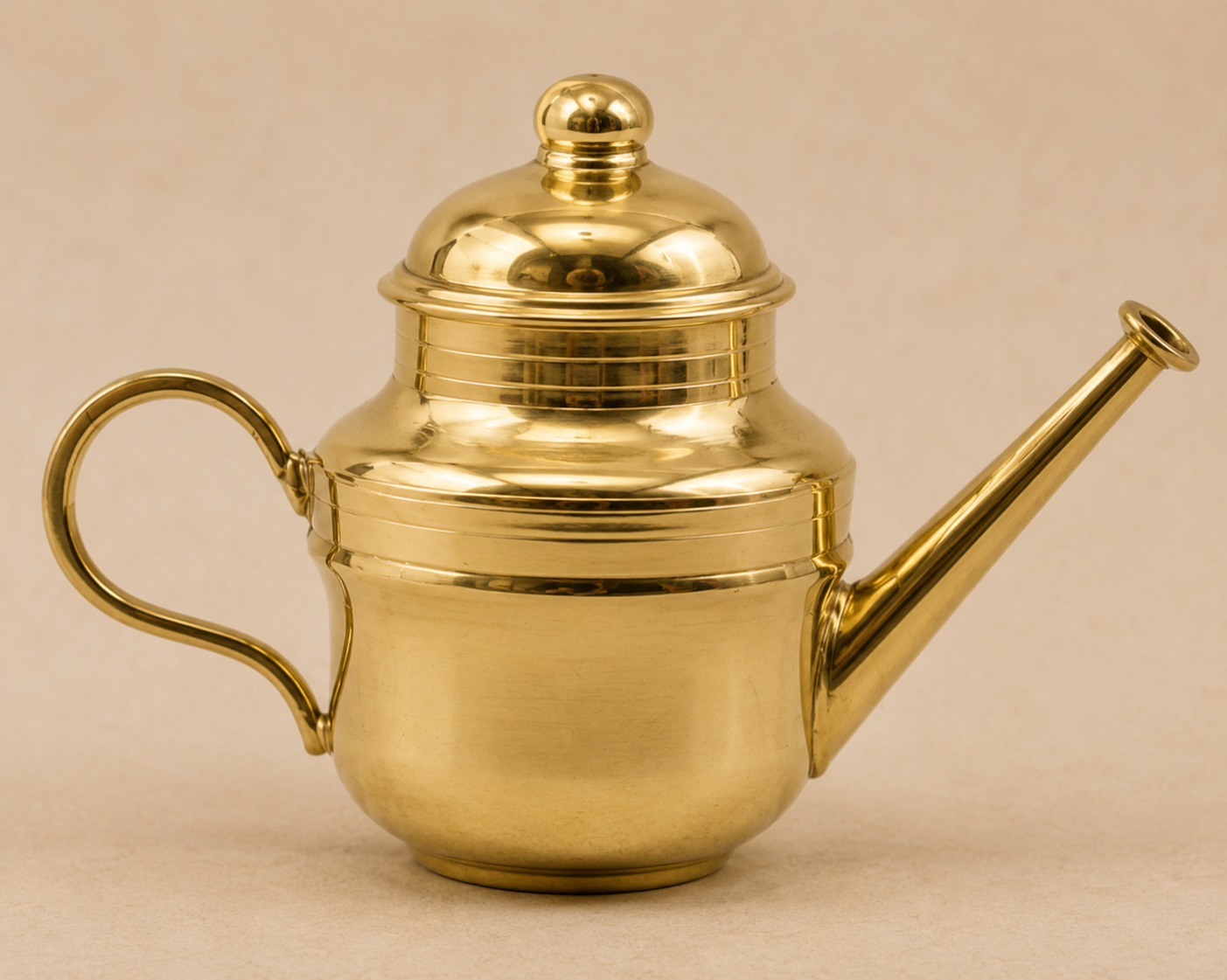
Enne Charak is a traditional vessel used to gently warm hair oil before applying it to the hair. It was a familiar household object associated with traditional Kodava hair-care and personal grooming practices
The Enne Charak was used to gently warm hair oil to a comfortable temperature before it was applied to the hair. It formed part of traditional household hair-care practices in Kodava homes.
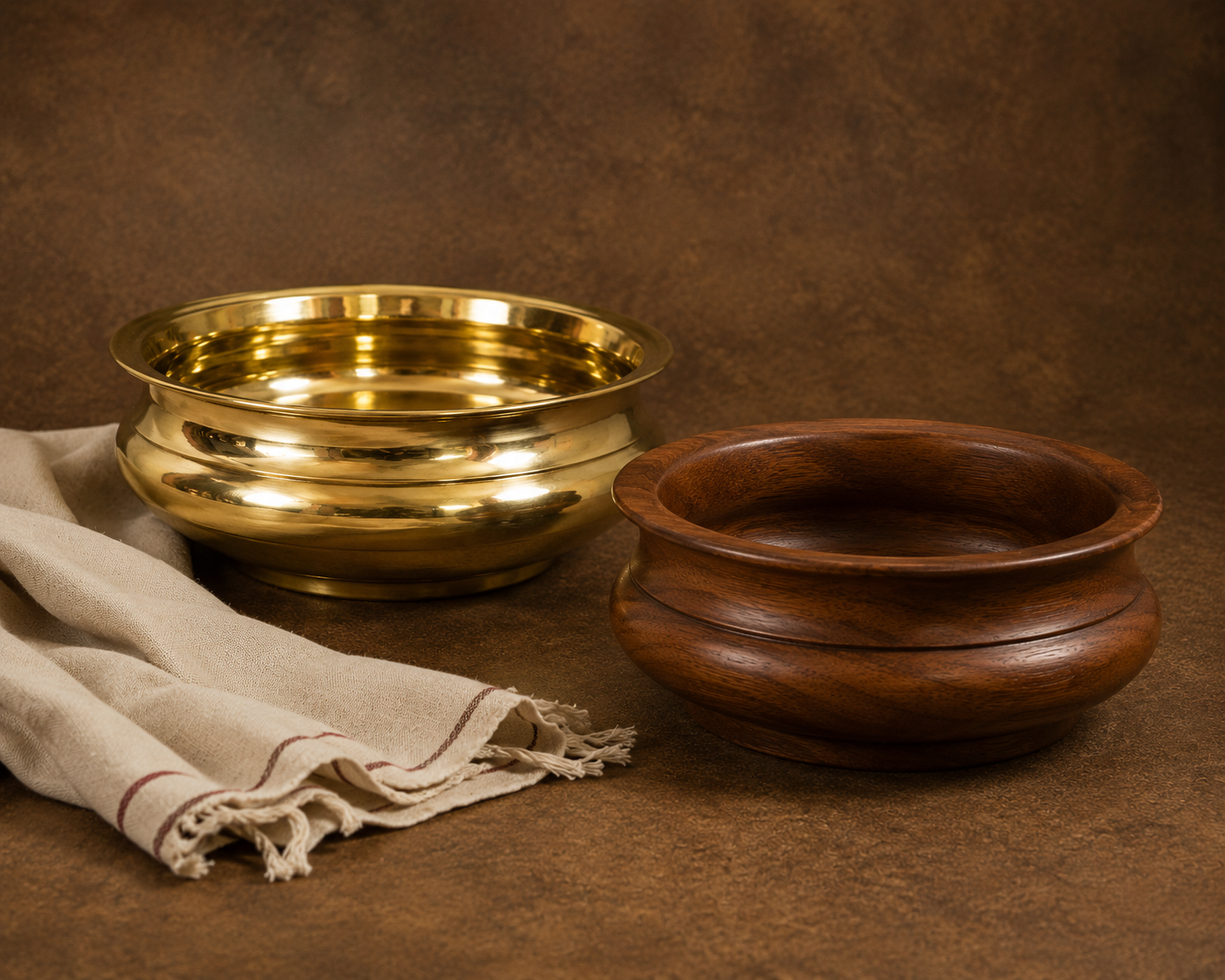
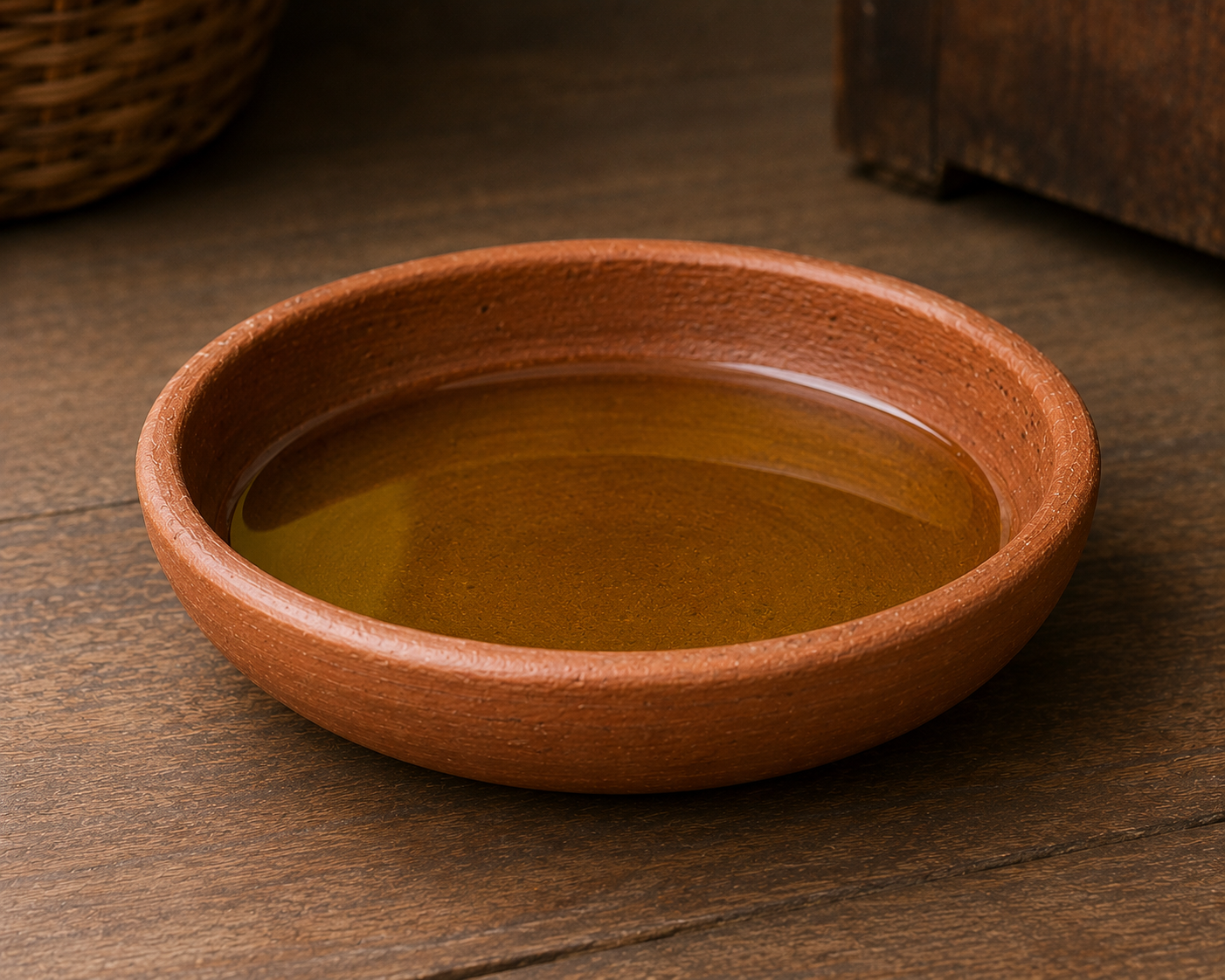
The vessel was made in different materials depending on the household, period and availability of materials. Traditional examples are found in wood, brass, copper and clay/earthenware.
Hair oiling was an important part of personal grooming and care. The Enne Charak made it possible to warm the oil gently, turning a simple grooming routine into a familiar household practice.
How It Was Used
Traditional use: Used to gently warm hair oil
Used before applying warm oil to the hair
Part of traditional hair-care and grooming routines
Used as an everyday household personal-care vessel
Cultural significance: The Enne Charak reflects how traditional Kodava households developed simple, purpose-built objects for everyday needs. Its different forms and materials also demonstrate the use of locally available resources and the craftsmanship of different periods.
Warm oiling could also form part of customary care for brides and expectant mothers, giving the object an association with important stages of family life.
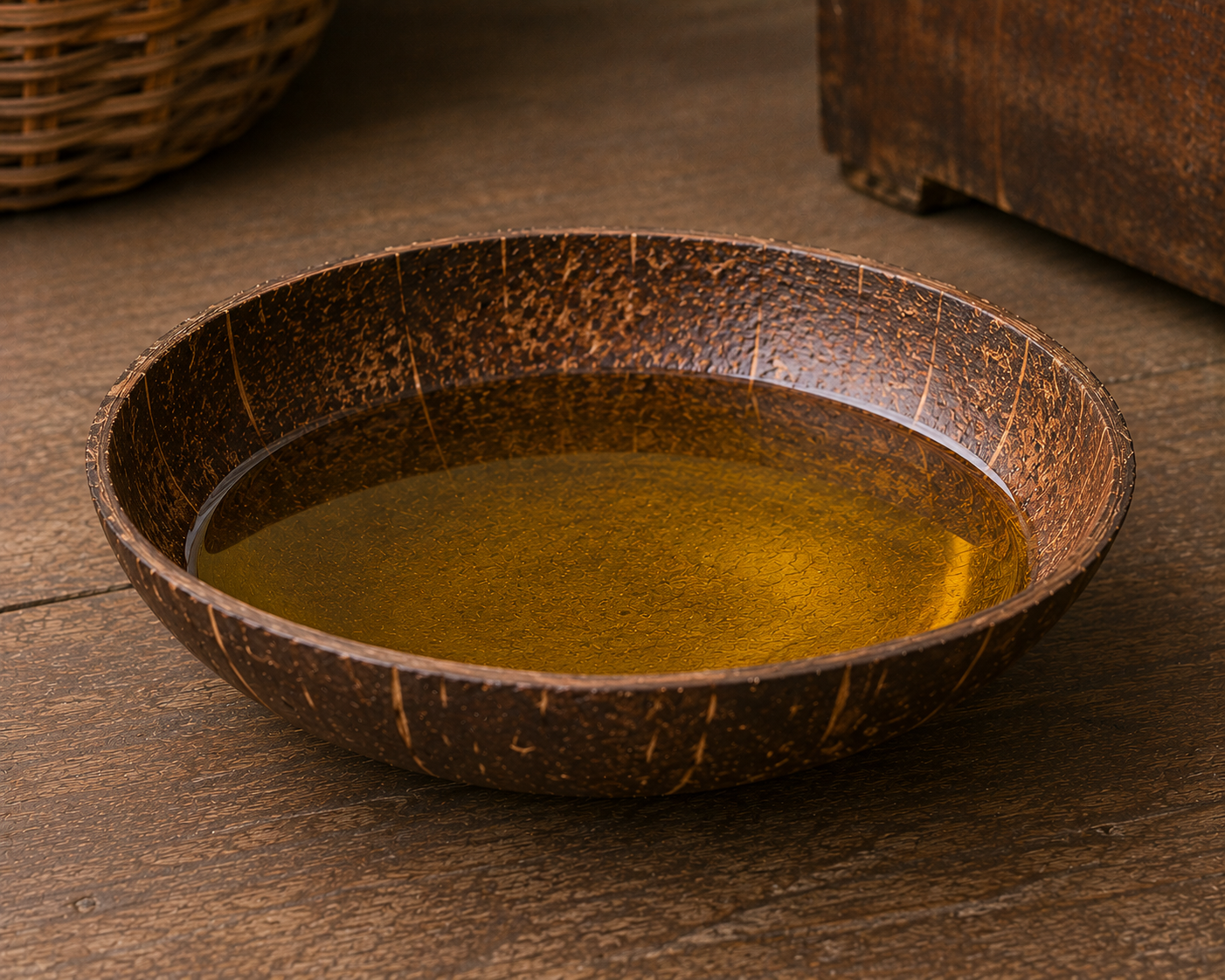
Historical context: In ancient times, coconut shells were commonly reused as simple household vessels after the coconut was opened and the flesh removed. In traditional Kodava households, such naturally available materials were put to practical use rather than discarded. The coconut-shell Enne Charak represents this resourceful practice, serving as a small vessel for holding and warming hair oil. It belongs to the traditional household culture of Kodagu, from a period when hair oiling was an established part of personal grooming and household care. Before modern methods of heating and storing personal-care products became available, this simple vessel provided a practical way to warm oil to a comfortable temperature, reflecting the traditional practice of creating useful everyday objects from materials readily available in the local environment.
Material & Making
WoodBrassIronClay
The method of making varied according to the material used. Traditional examples were shaped or crafted from wood, cast or worked in metal, or formed from clay and fired.
Who Used It? / Where? / When?
OwnershipNot yet recorded
Period
Ancient
Status of traditionStill used ceremonially
The Tradition Today
Reason for decline: The Enne Charak declined from everyday use as modern heating methods, manufactured containers and changing personal-care practices replaced traditional household oil-warming vessels.
Changes in household routines have also meant that fewer families continue the traditional practice of warming hair oil in a dedicated vessel.
Revival efforts: Surviving Enne Charaks can be preserved in old Kodava houses, Ainmanes, family collections and museums.
The different forms—wood, brass, copper and clay—can be recreated by traditional artisans and demonstrated in heritage programmes and traditional kitchens. Documenting the associated hair-oiling practices, especially those remembered by elders, can help preserve the knowledge surrounding the object.
Sources
Source not recorded