A living archive of Kodagu — objects, memories, skills and the voices of the people who kept them. See what's on display →
Explore / Martial Heritage / Cape Thoke / Kep Thoke
Cape Thoke / Kep Thoke
Martial Heritage

Cape Thoke / Kep Thoke

Cap Muzzle-Loading Gun / Caplock Gun
Also written: Cape Thoke / Kep Thoke ಕೇಪ್ ತೋಕ್
Preserved by a custodian
Kodava Clan
CULTURAL ARTIFACT ACQUISITION
This artifact is preserved for future generations
with the support of a proud custodian who values
our heritage and its legacy.
PRESERVED BY
Shri Muruvanda Manav Muthanna
OBJECT
CapeThook
Cap Muzzle-Loading Gun / Caplock Gun
ACQUIRED ON
9 September 2026
LAND OF ORIGIN
Kodagu, Karnataka
VIRTUAL MUSEUM OF KODAVA HERITAGE
Preserve. Respect. Pass On.
No. VMKH-2026-00038
About the Object

A traditional caplock muzzle-loading firearm that used a percussion cap for ignition

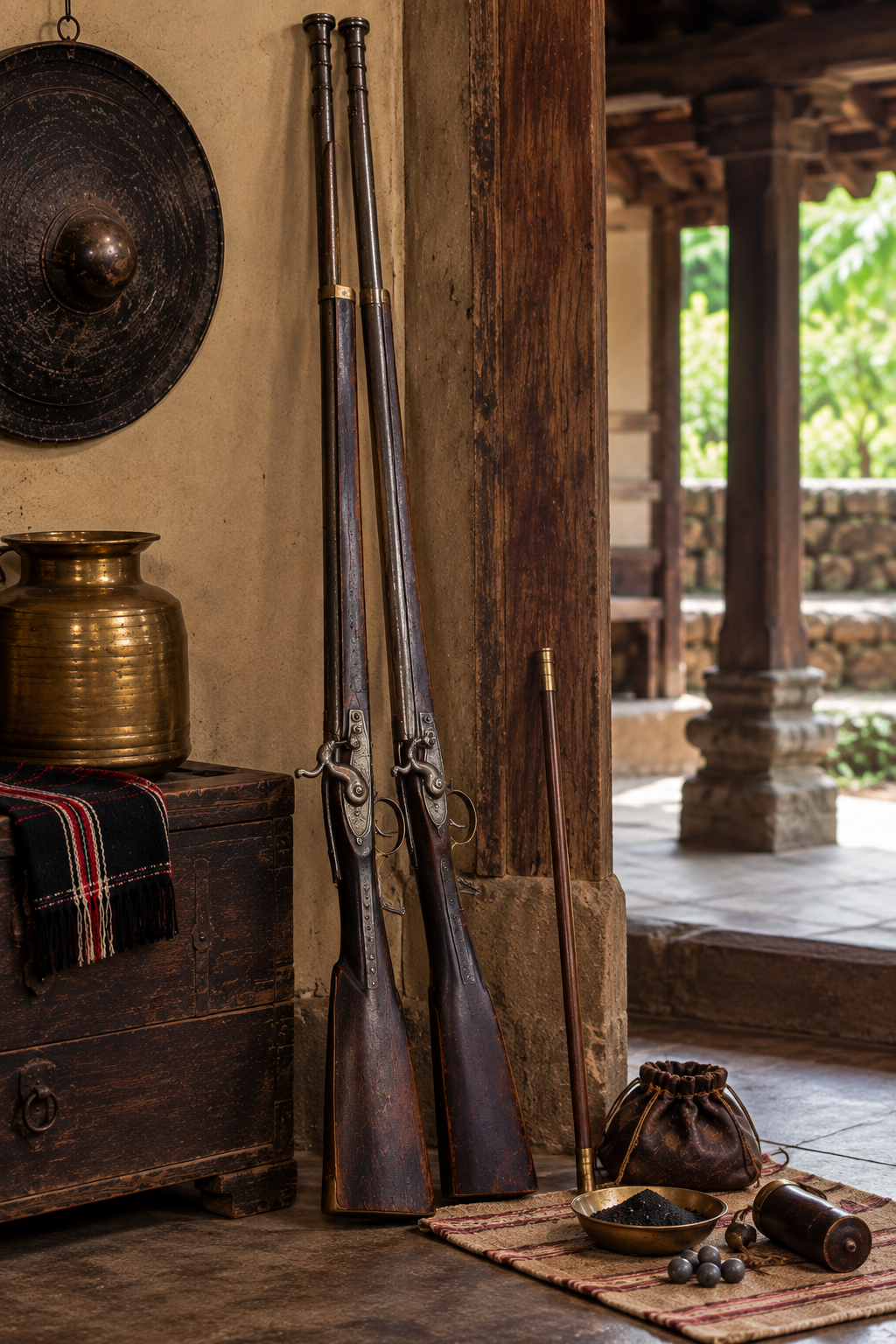
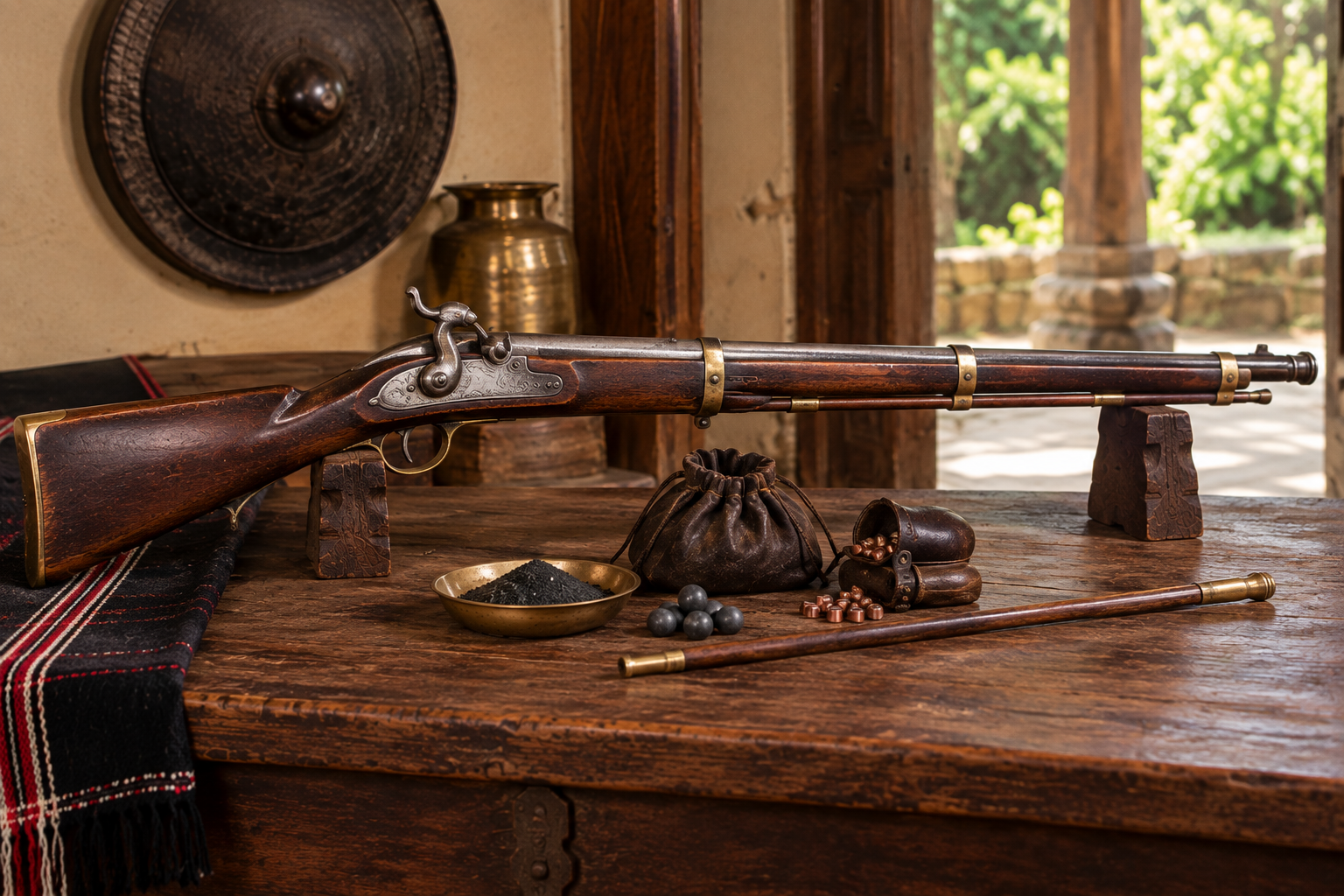
Capethok represents a later stage in the evolution of traditional firearms. Unlike the earlier Thiri Thoke , which depended on a burning wick for ignition, the Capethok used a small percussion cap fitted to the lock mechanism. The firearm was muzzle-loaded, with the charge and projectile introduced through the front of the barrel. Its long barrel and wooden stock gave it the characteristic appearance of the traditional long gun. Capethok became part of the established firearm tradition of Kodagu and continued the strong association of firearms with Kodava martial, hunting and social traditions.
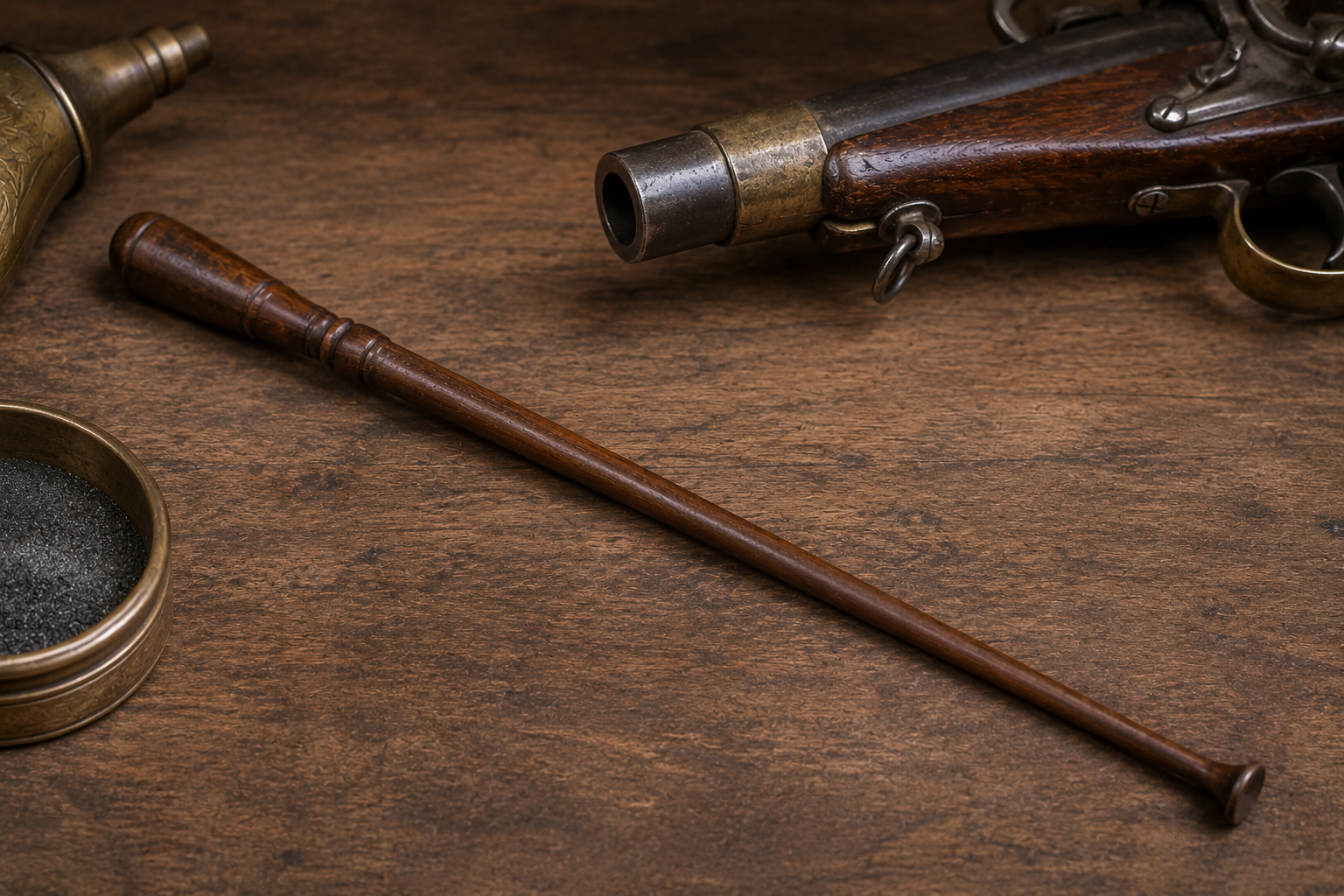
A long wooden stock with a long metal barrel, percussion-cap ignition mechanism, trigger and ramrod. Traditional examples could have simple or decorated metal fittings and varying barrel lengths

How It Was Used

Traditional use: Used for hunting, protection and martial purposes. Like earlier firearms, gunfire could also have a signalling role during important occasions and events in the community

Cultural significance: Capethoke strengthened the place of firearms in Kodava tradition. It represented the technological progression from Pondhi and Thiri Thoke to more advanced firearms while retaining the firearm's important association with Kodava identity, courage and martial heritage.

Historical context: Capethoke belongs to the period following the earlier Thiri Thoke . The change from wick ignition to percussion-cap ignition made the firearm a more advanced form of muzzle-loader. The traditional name Capethok is important to record, as “Cape” is understood to have developed as a corruption of the original word Cap.

Material & Making
WoodIron

The wooden stock was shaped to accommodate the barrel and lock. The metal barrel and caplock mechanism were fabricated and fitted to the stock, with a ramrod provided for the muzzle-loading process
Examples may differ in barrel length, stock proportions, metal fittings, decoration and overall weight. Double-barrel and single-barrel forms may also be encountered.
Its defining feature is the percussion-cap ignition system. The long barrel, wooden stock and traditional metalwork give surviving examples considerable historical and craft value

Who Used It? / Where? / When?
OwnershipNot yet recorded
Period Pre-colonial
Status of traditionExtinct
The Tradition Today

Reason for decline: Capethok eventually became obsolete as modern breech-loading and repeating firearms became available, while changes in hunting practices, regulations and household life further reduced its everyday use

Revival efforts: Surviving Capethok firearms can be preserved as heritage objects in museums, private collections and traditional homes. Documentation of their names, forms, ownership histories and cultural associations can help preserve this part of Kodava history

Watch

Firing of Cape Thoke

Sources
Source not recorded