| ||||||||||||||||||||||||

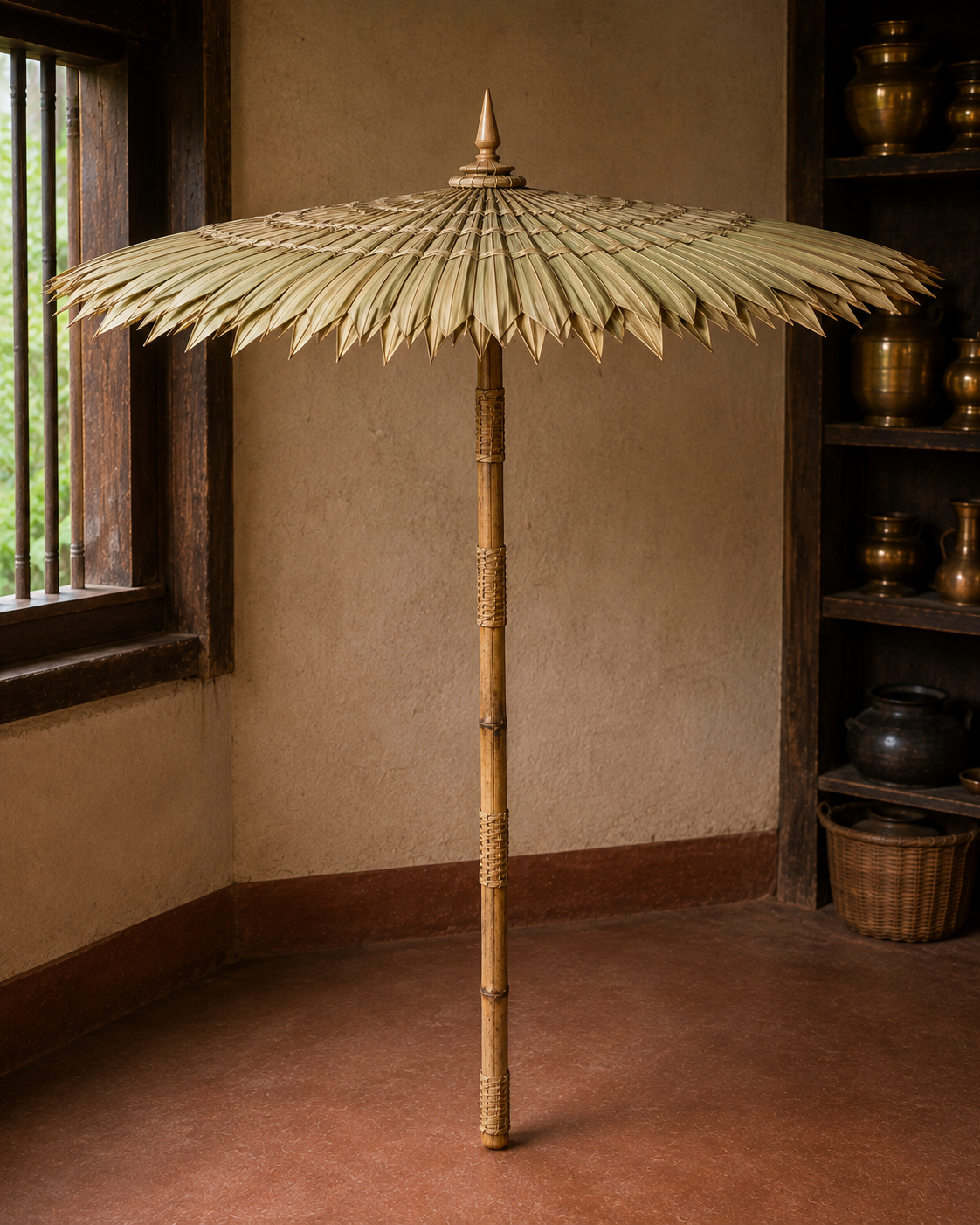
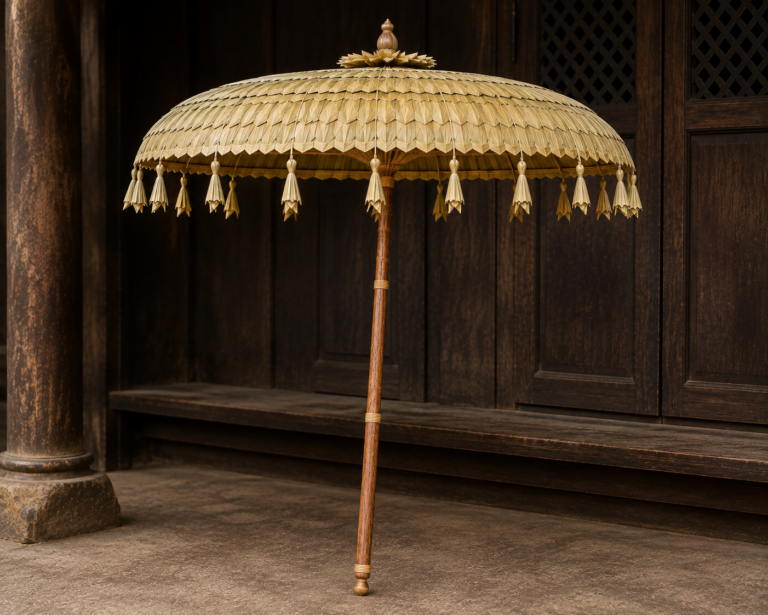
The Andhkode is traditionally carried or held over idols and sacred images during temple processions. It symbolically provides shade while also expressing honour and reverence towards the deity
Traditional use: It is used during temple festivals and religious processions, where it may be held above a sacred idol as the idol is carried through the temple grounds or surrounding streets. Andhkode forms part of the distinctive handmade objects associated with traditional religious festivals in Kodagu, where rituals, music and processions come together
Cultural significance: The presence of the Andhkode adds dignity and ceremonial importance to a procession and visually signifies the honour offered to the deity. The umbrella traditionally represents protection, dignity and honour. When placed above a sacred idol, the Andhkode conveys these meanings within the religious setting. The Andhkode helps distinguish a ceremonial procession from the ordinary movement of an idol, contributing to the solemnity and visual character of the occasion.
Historical context: Andhkode belongs to the broader material culture of traditional religious practices and festivals in Kodagu, where handmade objects formed an important part of ceremonial presentation
The palm leaves are carefully selected, shaped and woven or assembled to create the umbrella-like form. The object takes the form of a ceremonial umbrella, designed to be carried or held above a sacred image during a procession
Reason for decline: not declining
Revival efforts: Preservation should focus on documenting existing Andhkodes, their palm-leaf construction, craftsmanship and use in temple processions.