About the Object
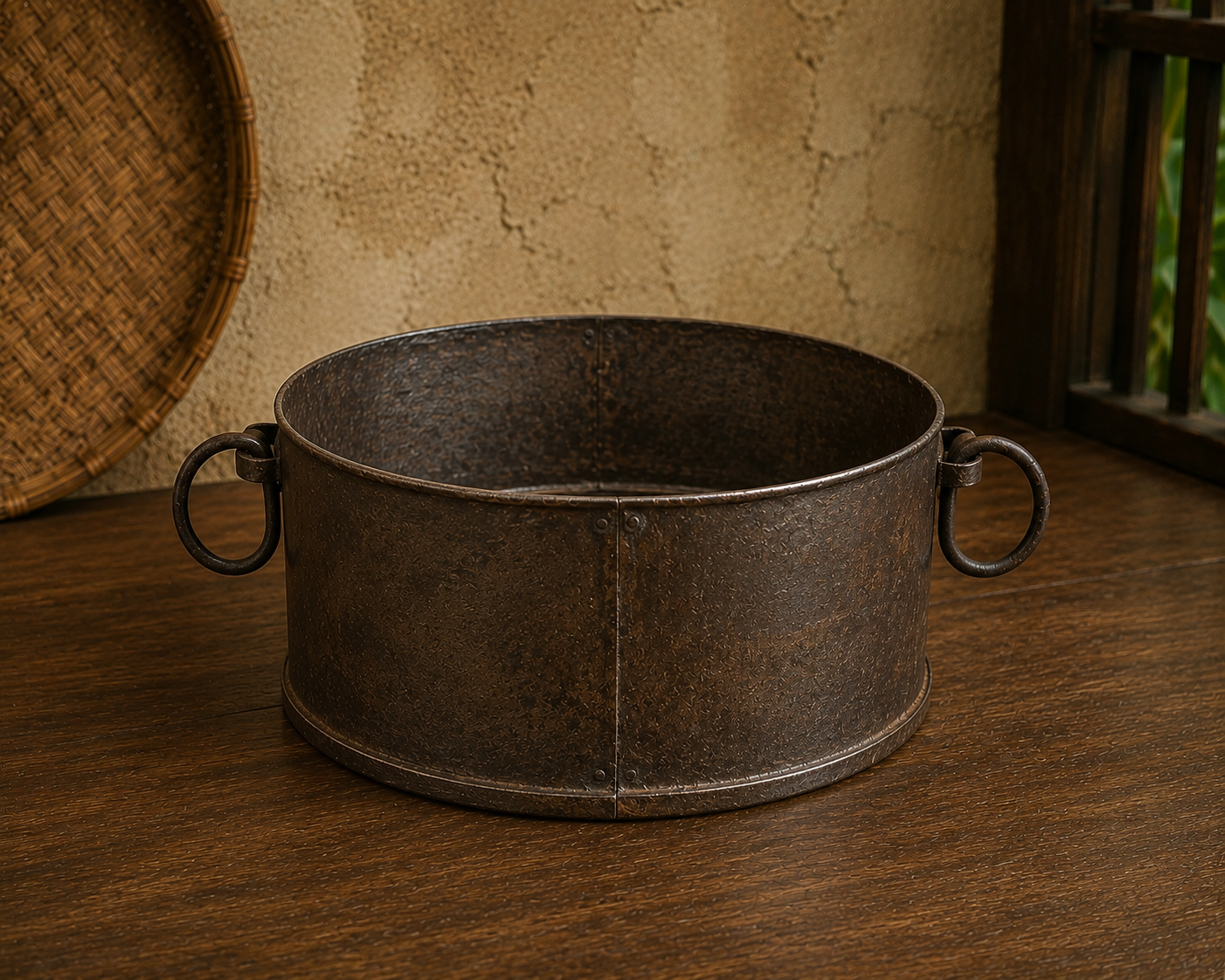
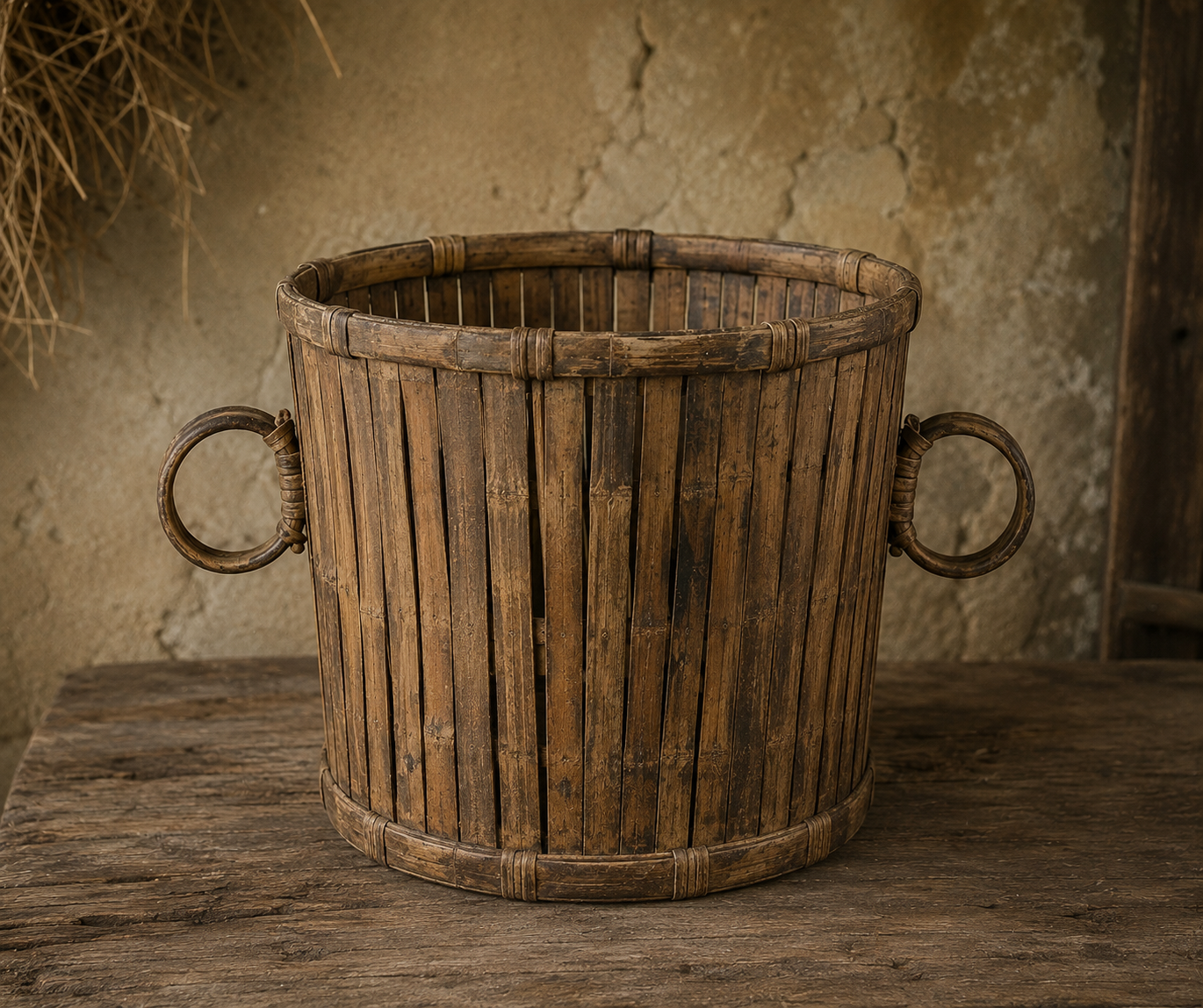
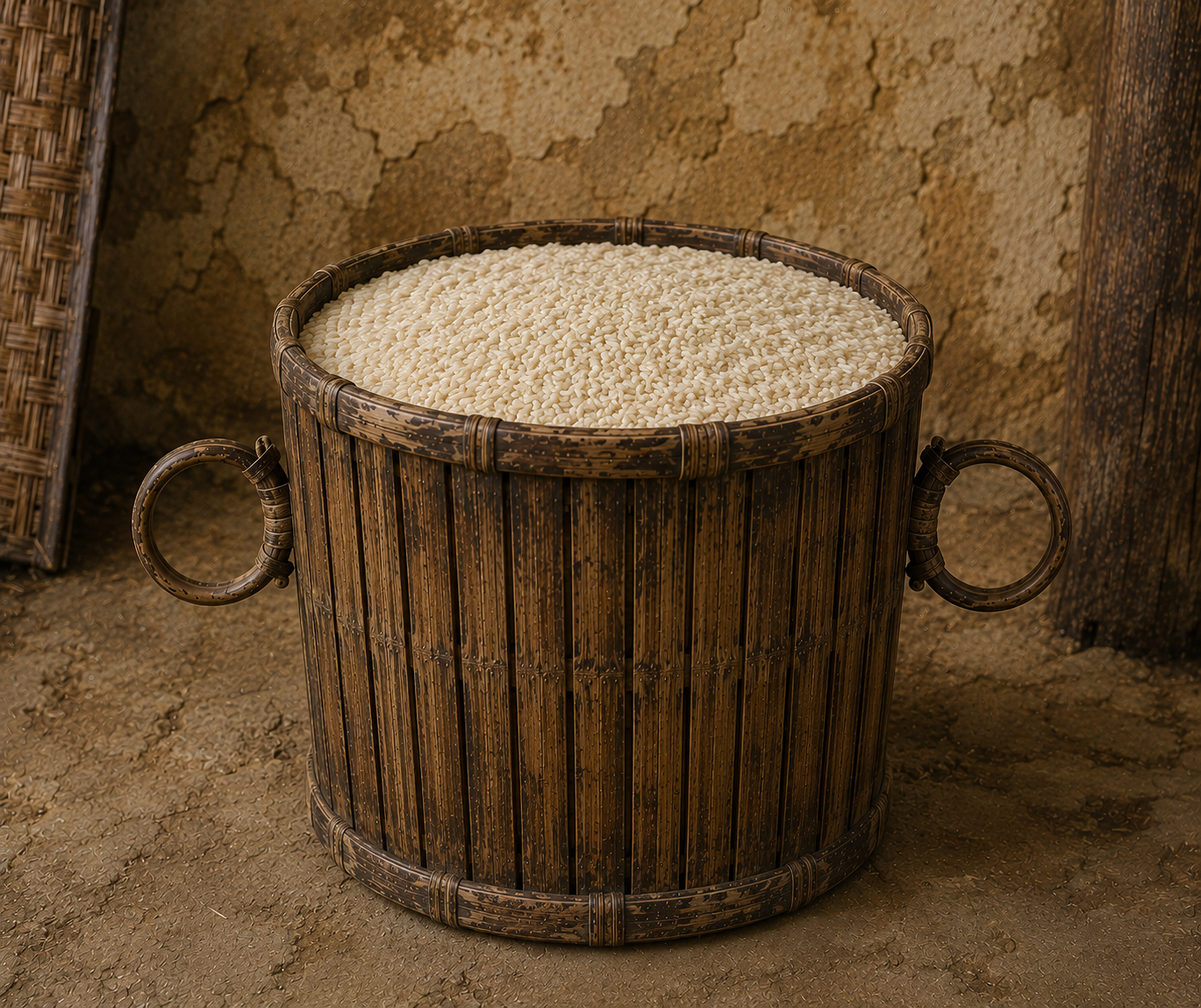
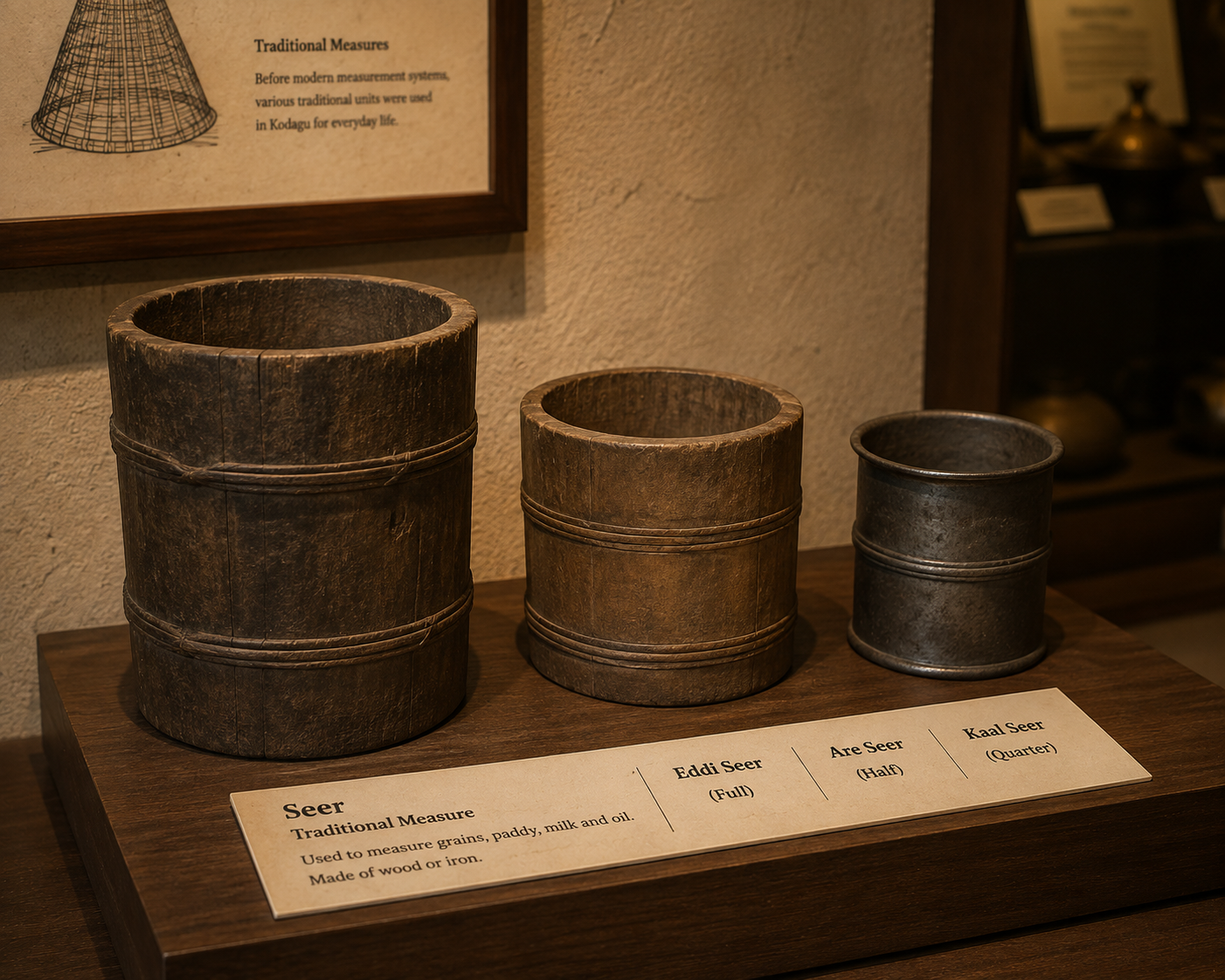
Pare was a traditional Kodava unit used for measuring grains, particularly paddy and rice. One Pare was equivalent to 10 Seer
Pare was an important traditional unit of grain measurement used in Kodagu from the period when Kodavas began cultivating paddy. It formed part of an older system of measuring agricultural produce before the widespread adoption of modern metric measurements.
According to the Kodagu Heritage record, 10 Seer were equal to 1 Pare. The unit was particularly associated with the measurement of grains and was used in the agricultural and household economy of Kodagu. Physical measuring vessels representing the Pare were traditionally made from wood and iron.
How It Was Used
Traditional use: Pare was traditionally used for measuring:
Paddy
Rice
Other grains
It was also associated with the traditional practice of giving measured quantities of grain to workers as compensation.
Cultural significance: Pare was closely connected with Kodagu's paddy-growing economy. It provided a locally understood and widely recognised means of measuring agricultural produce in a period when traditional units were an integral part of everyday transactions. Paddy or Rice was given to temples as tax or as owe. in such instances the quantity was always in Pare.
Historical context: The Kodagu Heritage record states that Pare was used from the time Kodavas began growing paddy and continued until the late 1990s.Pare represents an important part of Kodagu's agricultural, economic and material heritage. Its relationship with paddy cultivation, grain distribution and traditional compensation practices illustrates how measurement was integrated into everyday life.
Material & Making
WoodBambooIron
The importance of Pare lies in its role as a physical representation of a traditional measurement system. Surviving wooden and iron examples provide tangible evidence of how grain was measured before modern metric systems became standard
Who Used It? / Where? / When?
OwnershipNot yet recorded
Period
Pre-colonial
Status of traditionRare
The Tradition Today
Reason for decline: The traditional Pare system declined primarily because the SI system of measurement replaced traditional grain measures
Revival efforts: Pare is no longer in regular everyday use, but the Kodagu Heritage record notes that it continues to be seen in a few houses.
It may still be used when paddy or rice is given to workers as compensation and in some temples when growers offer grain to the deity.