

Kothri pann mara – Mountain sweet thorn
Contents
Kothri Pann Mara – Mountain Sweet Thorn
A Wild Fruit Tree of Kodagu 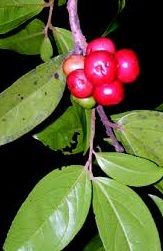
Kodava name: Kothri Pann Mara
English name: Mountain Sweet Thorn
Kannada name: Sampigehannu
Botanical name: Flacourtia montana Graham
Family: Flacourtiaceae
Category: Flora and Fauna – Native Trees and Fruits of Kodagu
Introduction
Kothri Pann Mara is a native tree of Kodagu, known for its edible wild fruits and distinctive thorn-covered trunk. It is part of the rich diversity of trees found in the Western Ghats, where native plants contribute to the region’s natural heritage.
The tree is valued both for its fruit and for its timber. Its presence in the forests of Kodagu represents the close relationship between the region’s natural environment and the traditional knowledge of its people.
Botanical Characteristics
Kothri Pann Mara can grow into a medium-sized tree, reaching considerable height under favourable conditions. The original Kodagu Heritage record describes it as growing up to approximately 20 metres.
One of its most recognisable features is its trunk, which bears simple, sharp thorns. The bark is brownish and relatively smooth.
The leaves are simple and arranged alternately along the branches. The flowers are small and inconspicuous, while the fruits develop into fleshy berries that turn red as they ripen.
These characteristics help distinguish Mountain Sweet Thorn from many other native fruit-bearing trees.
Flowering and Fruiting Season
The Kodagu Heritage record notes the following seasonal pattern:
- Flowering begins: December
- Fruiting continues until: April
The exact timing can vary with local conditions and seasonal weather. During the fruiting season, the tree provides a naturally occurring wild fruit that can be collected when ripe.
The Fruit and Its Uses
Kothri Pann is known for its edible fruit, which has a pleasantly sharp, tangy or acrid taste. The fruit may be eaten fresh or used to prepare jelly.
Its distinctive flavour makes it a noteworthy example of the wild fruits found in Kodagu. Such fruits are part of the region’s botanical and food heritage, reflecting the variety of edible plants available beyond cultivated orchards and gardens.
Wild fruits such as Kothri Pann also offer an opportunity to document traditional knowledge about local trees, their seasons and their uses.
Uses of the Wood
The wood of Kothri Pann Mara is described as heavy and has traditionally been used for building purposes.
This practical value, together with its edible fruit, makes the tree noteworthy among Kodagu’s native species. Its uses demonstrate how trees have contributed not only to food traditions but also to the materials needed for everyday life.
Kothri Pann Mara and the Natural Heritage of Kodagu
Kodagu forms part of the biodiverse Western Ghats, a region known for its rich variety of native trees, shrubs and other plant life. Many of these species have local names and uses that have been passed down through generations.
Kothri Pann Mara is one such tree. Recording its Kodava name, botanical identity, fruiting season and traditional uses helps preserve knowledge that might otherwise become less familiar to future generations.
The documentation of native trees is an important part of understanding Kodagu’s natural heritage. Each species contributes to the region’s ecological diversity and tells a story about the plants that have long been part of its landscape.
Preserving Native Tree Knowledge
Kothri Pann Mara is valued for its edible fruit, heavy timber and distinctive thorny trunk. Its place among the native trees of Kodagu makes it worthy of continued documentation and recognition.
Comments
Leave a comment!Login for Post Comment
Last posts