Pathaaya Pathaaya refers to a room like enclosure made with wooden planks to store paddy. This is usually built in or near a house/ainmane. About They are usually built above the ground to keep the… read more »


Ainmanes stand as ancestral abodes for Kodagu’s native communities, each affiliated with a distinct Okka . These traditional houses exhibit a unique Koḍagu architectural style, reflecting a heritage dating back 150 to 450 years. Over time, they have evolved, encapsulating the essence of earlier eras. The Ainmanes not only serve as physical manifestations of historical roots but also showcase the rich cultural and architectural legacy of Kodagu, embodying a timeless connection between the present and the bygone centuries.
Pathaaya Pathaaya refers to a room like enclosure made with wooden planks to store paddy. This is usually built in or near a house/ainmane. About They are usually built above the ground to keep the… read more »
Pathaya English Name Traditional Elevated Wooden Rice Storage Structure Short Description Pathaya is a traditional elevated wooden structure used for storing paddy and rice. Built on sturdy timber posts and protected by a sloping tiled… read more »
Location Devanageri Features Puggera Ainmane, is the third ainmane which has 6 rooms including kitchen. The ainmane is in the form of Othe pore, containing Nellakki nadubade with hanging lamp and a photo of Baithurappa…. read more »
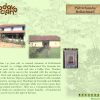
Location Bollarimad Features 10 roomed Ainmane of Puttichanda okka has got othe pore with 2 roofs and also a bakka Pore. Wooden Paneled walls can be seen in the veranda with the carvings of lotuses, birds… read more »
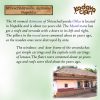
Location Napoklu Features The 10 roomed Ainmane is of type mund mane which has got 2 roofs and veranda with 2 doors to its left and right. The pillars in the mund were cemented about… read more »
Location Kolathod-Baigod Features Othe pore with two roofs. Stone steps from the yard in front lead to the middle of the verandah. The house has two verandahs, one in front and one at the back…. read more »
Location Chembebeḷiyur. Features Othe pore, with a stone-paved yard in front. The front of the verandah is enclosed by netting, and its lower half is covered by curtains. Direction towards East, it is about… read more »
Subedar Ballachanda Chengappa Mudayya (Muthu) served the Indian Army from 1934 to 1949 (15years) in the Corps of Signal regiment and is a World War II veteran Author of the page Ballachanda Sohan Somanna About… read more »